
Reptile · GBIF taxon 2443115
Wood Turtle
Glyptemys insculptaAlso known as Sculptured Turtle
The Wood Turtle has a brown shell sculpted by raised growth rings, giving each scute a carved pyramidal appearance, and orange skin on the neck and legs. It uses clear forest streams but spends much of the warm season foraging on land nearby.
River TurtleSculptured ShellTerrestrial Forager
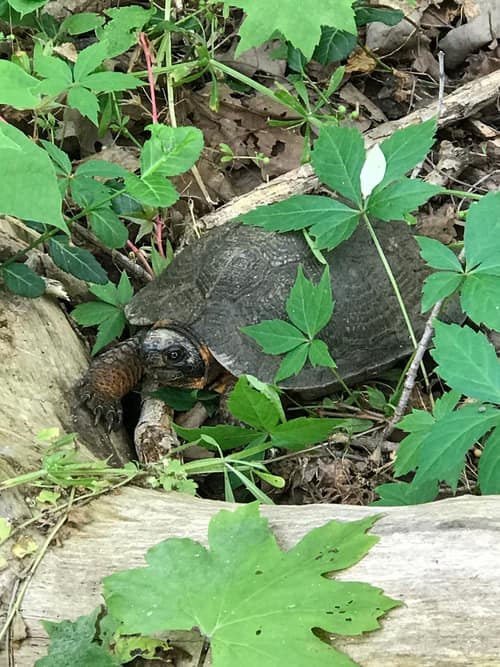
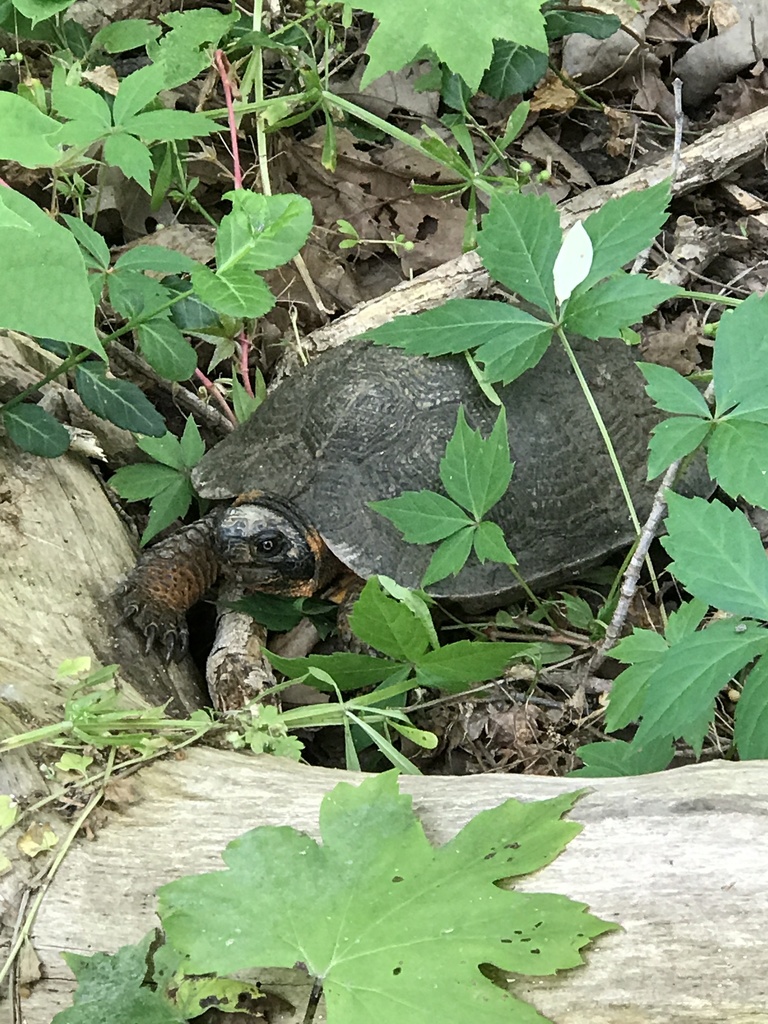
—observations
—countries
—peak records
EndangeredConservation statusIUCN Red List categoriesLCNTVUENCREWEXEndangeredRed List categories, explained →
Diet & prey
- Earthworms
- Slugs
- Insect larvae
Predators
- Raccoons
- Red foxes
- River otters
ThreatsIllegal collection, road and farm-machinery mortality, stream alteration, forest clearing, pollution, and nest predation
HabitatsClear cobble-bottomed streams, riparian forest, wet meadow, floodplain, shrubland, and nearby upland openings
Life spanA long-lived turtle that can survive for 50 years or more
Size / weightNot available
Classification
- FamilyEmydidae
- GenusGlyptemys
- SpeciesGlyptemys insculpta
Range data is not available yet.
Interaction riskModerate
- Low
- Moderate
- High
- Very high
- Why interaction risk is moderate
- Wild turtles may carry Salmonella and can bite when restrained; observe without touching or relocating them.
- Why it is dangerous
- A stressed Wood Turtle may bite, and apparently healthy turtles can shed Salmonella bacteria onto hands and nearby surfaces.
- How to recognize a risky encounter
- Raised pyramidal shell scutes and orange skin on the neck and limbs distinguish this medium-sized stream turtle.
- What to do
- Do not touch or relocate it; wash after accidental contact and contact trained responders for an immediate road hazard.
- What to notice
- Confirm the deeply sculptured brown carapace, low central keel, and orange neck and limb skin from a distance.
- Support conservation
- Never collect, handle, move, or publicly geotag a Wood Turtle; report suspected poaching to wildlife authorities.
Responsible observation
- Shell: Look for raised concentric rings that create a carved wooden appearance.
- Distance: Stop well back and let the turtle choose its route between land and water.
- Privacy: Conceal precise coordinates and never move a turtle for a photograph.
Help improve the field guideSomething wrong?
Checking your Fauna account…Report a name, category, or profile issue for review.