
Reptile · GBIF taxon 2443074
Northern Map Turtle
Graptemys geographicaAlso known as Common Map Turtle
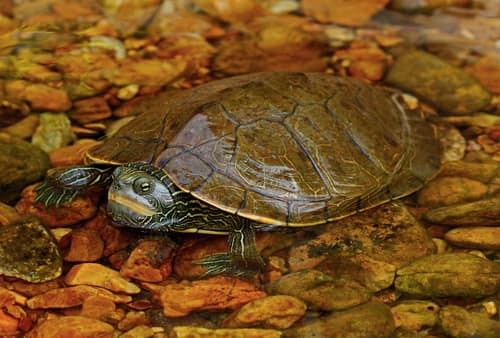
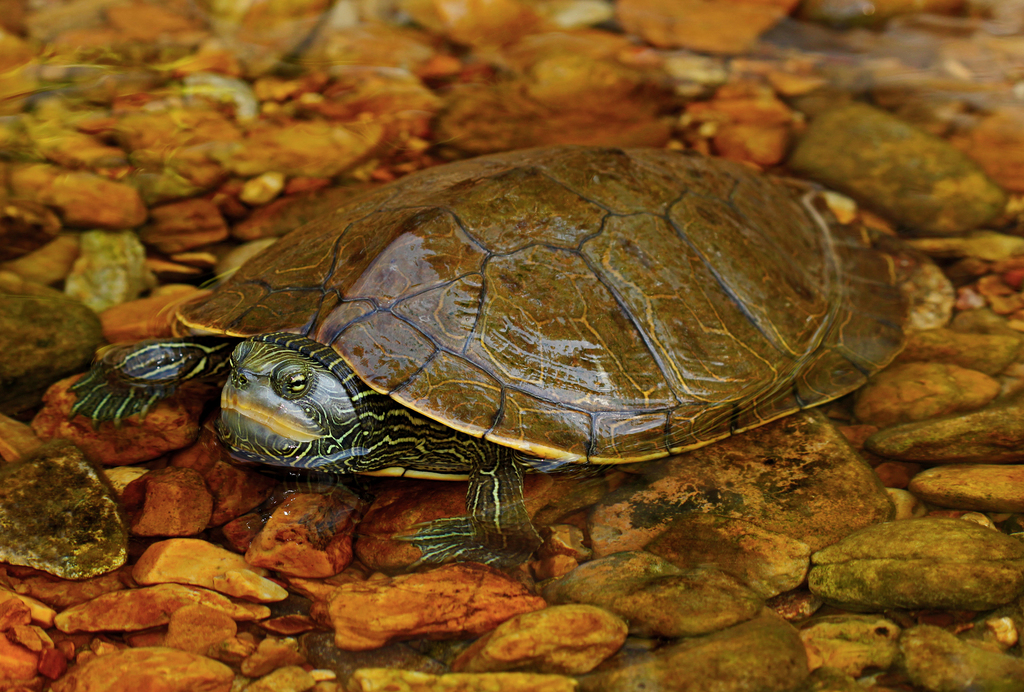
Northern map turtles derive their name from the intricate, yellow contour lines on their carapace that resemble lines on a topographical map. Females grow significantly larger than males and use their broad, powerful jaws to crush freshwater snails and mussels along large rivers and lakes. These skittish basking turtles spend sunny days perched on fallen logs, quickly sliding into deep water at the slightest disturbance.
AquaticReptileFreshwater
—observations
—countries
—peak records
Least ConcernConservation statusIUCN Red List categoriesLCNTVUENCREWEXLeast ConcernRed List categories, explained →
Diet & prey
- Freshwater Snails
- Crayfish
- Clams
Predators
- Raccoons
- Striped Skunks
- Herons
ThreatsHabitat destruction, shoreline development, vehicle collisions, water pollution, nest predation
HabitatsLarge rivers, lakes, reservoirs, and slow-moving bays
Life span20–30 years
Size / weightNot available
Classification
- FamilyEmydidae
- SpeciesGraptemys geographica
Range data is not available yet.
Interaction riskLow
- Low
- Moderate
- High
- Very high
- Why interaction risk is low
- Capable of delivering a painful bite if handled; observe from a respectful distance.
- Why it is dangerous
- Adult females possess exceptionally strong jaw muscles designed to crush hard shell prey and can inflict a painful bite if handled.
- How to recognize a risky encounter
- Recognized by fine yellow map-like lines on a dark carapace and a small yellow spot behind each eye.
- What to do
- Do not pick up wild turtles unless assisting them across a road in the direction they were heading.
- What to notice
- Recognized by medium to large size, keeled shells, and extreme alertness while basking on mid-river logs.
- Support conservation
- Keep a generous distance in watercraft to avoid knocking basking turtles into cold water during cool weather.
Responsible observation
- Use Binoculars: Scan fallen logs from a distance, as these turtles dive underwater quickly when startled.
- Watch Riverbanks: Look for basking groups along sunny, slow-moving river channels on warm mornings.
- Drive Cautiously: Watch for nesting females crossing roads near waterways during late spring.
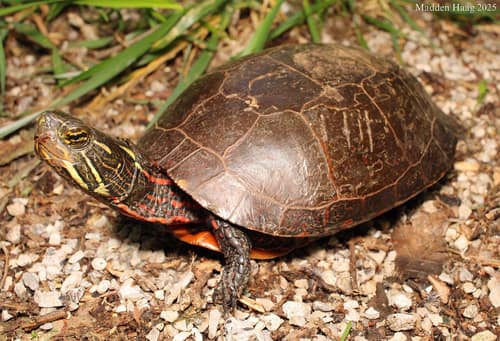
Frequent Companion MH Herpetology / CC BY-SA 4.0 · cc-by-sa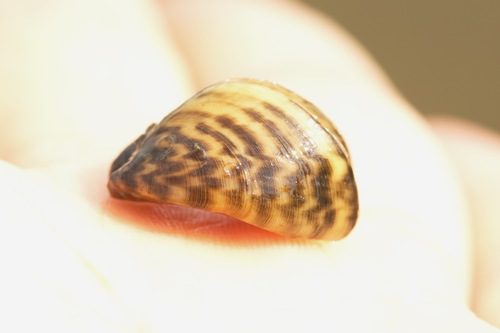
Prey (c) Вячеслав Юсупов, some rights reserved (CC BY), uploaded by Вячеслав Юсупов · cc-by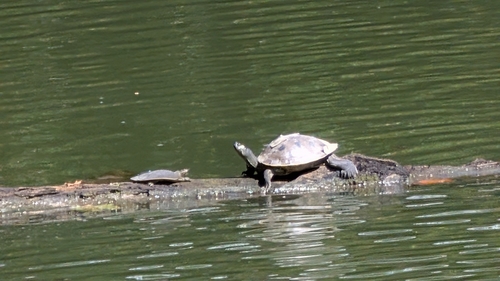
Close Relative (c) Peyton Phelps, some rights reserved (CC BY) · cc-by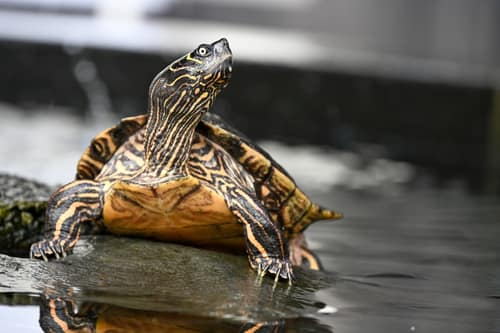
Close Relative (c) Charlotte Kirchner, some rights reserved (CC BY), uploaded by Charlotte Kirchner · cc-by
Help improve the field guideSomething wrong?
Checking your Fauna account…Report a name, category, or profile issue for review.