
Reptile · GBIF taxon 2442795
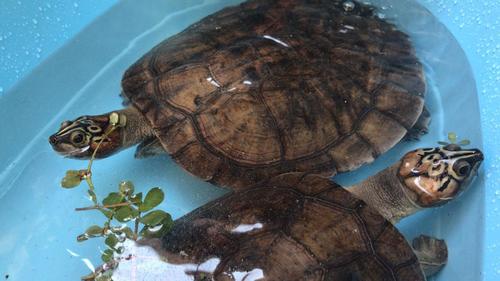
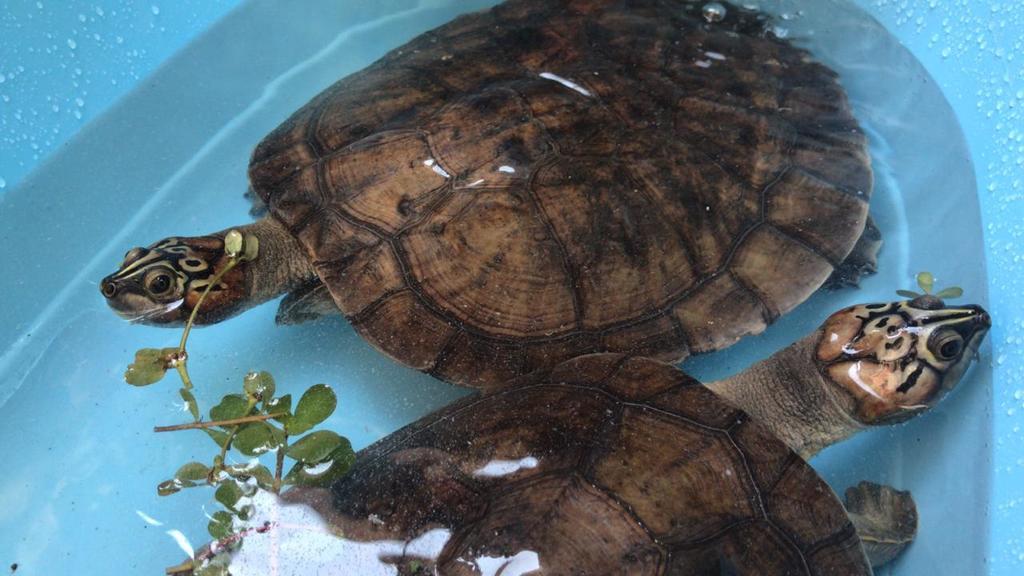
Giant South American Turtle
Podocnemis expansaAlso known as Arrau Turtle, South American River Turtle, Giant Amazon River Turtle, Arrau Sideneck Turtle
Female giant South American turtles gather by the thousands on exposed sandbars along Amazonian and Orinoco riverbanks to lay their eggs under cover of darkness. Adults use low-frequency underwater vocalizations to communicate across long river stretches, even guiding newly emerged hatchlings from nesting beaches into open water. During the rainy season, these massive herbivores migrate into flooded riverine forests to feed heavily on fallen canopy fruits and submerged vegetation.
AquaticHerbivorousFreshwater
 1 / 3
1 / 3—observations
—countries
—peak records
Near ThreatenedConservation statusIUCN Red List categoriesLCNTVUENCREWEXNear ThreatenedRed List categories, explained →
Diet & prey
- Submerged macrophytes
- Fallen palm fruits
- Riverine seeds
Predators
- Black Caiman
- Jaguar
- Yellow-headed Caracara
ThreatsOverharvesting of adults and eggs, dam construction, river pollution, and sand mining
HabitatsLarge tropical rivers, oxbow lakes, lagoons, and seasonally flooded river forests
Life span50–80 years
Classification
- FamilyPodocnemididae
- SpeciesPodocnemis expansa
Range data is not available yet.
Interaction riskLow
- Low
- Moderate
- High
- Very high
- Why interaction risk is low
- Powerful jaws can crush fingers if restrained; observe quietly from boats or shorelines.
- Why it is dangerous
- Massive horny jaws adapted for cracking tough palm seeds can sever fingers or inflict severe crushing lacerations.
- How to recognize a risky encounter
- Look for an enormous, flattened olive-brown carapace and a wide neck retracted sideways into the shell.
- What to do
- Never attempt to lift or corner an adult turtle on land or in shallow water.
- What to notice
- Identifiable by its colossal size compared to other river turtles and gregarious sandbar nesting behavior.
- Support conservation
- Maintain strict distance on sandbars and follow local community-led river conservation monitoring guidelines.
Responsible observation
- Field binoculars: Watch communal basking sites on mid-river logs from a quiet motorized canoe.
- Sandbar etiquette: Never walk on nesting beaches during seasonal egg-laying cycles.
- Night observation: Keep artificial lights off near nesting beaches to prevent disorienting females.
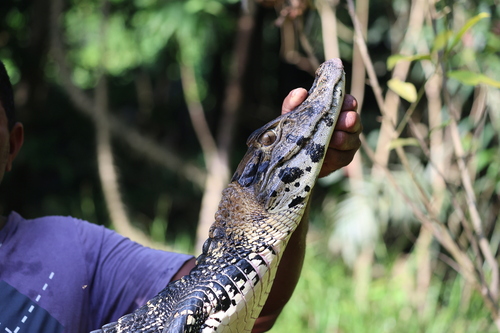
Predator (c) Matheus Oliveira, some rights reserved (CC BY) · cc-by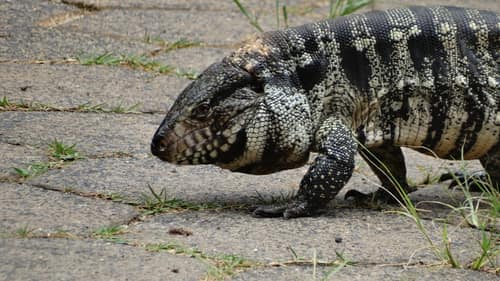
Predator (c) Bruno Henrique Aranda, some rights reserved (CC BY), uploaded by Bruno Henrique Aranda · cc-by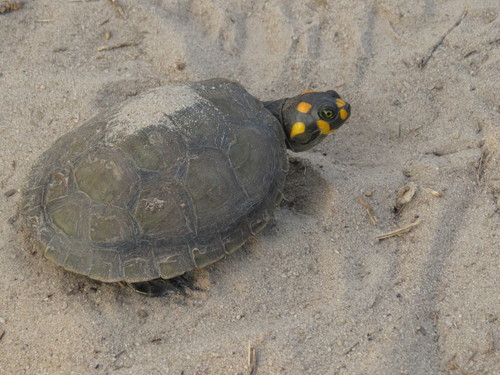
Close Relative (c) Paul Prior, some rights reserved (CC BY), uploaded by Paul Prior · cc-by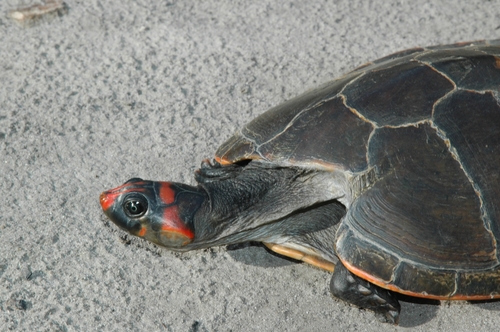
Close Relative (c) Rafael Bernhard, some rights reserved (CC BY) · cc-by
Help improve the field guideSomething wrong?
Checking your Fauna account…Report a name, category, or profile issue for review.