
Reptile · GBIF taxon 2442789
Magdalena River Turtle
Podocnemis lewyanaAlso known as Rio Magdalena River Turtle, Magdalena Sideneck Turtle
Magdalena River turtles spend most of their lives basking on sandbars and swimming through deep, slow-moving river currents across northern Colombia. Females undertake seasonal migrations during low-water periods to lay clutches of parchment-shelled eggs in sunny bank deposits. Severe habitat alteration from hydroelectric dams and intense pressure from harvesting have caused dramatic population declines throughout their range.
AquaticFreshwaterEndangered
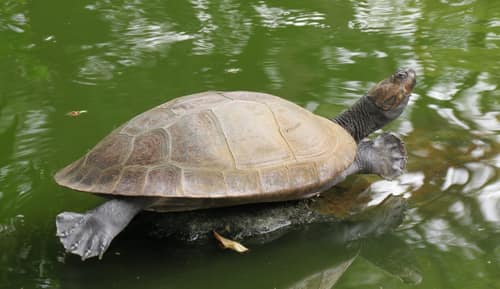
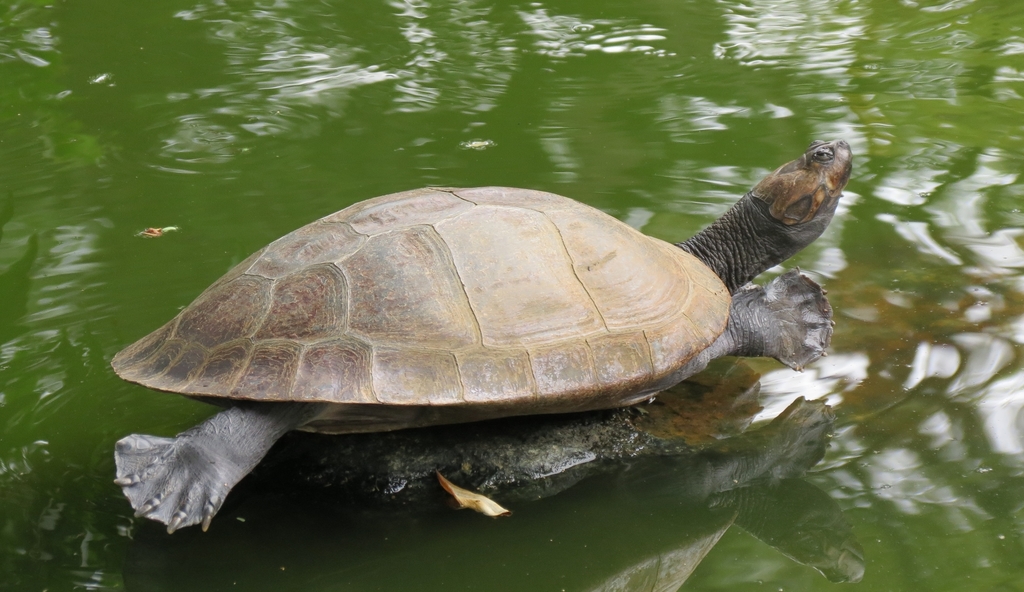
—observations
—countries
—peak records
Critically EndangeredConservation statusIUCN Red List categoriesLCNTVUENCREWEXCritically EndangeredRed List categories, explained →
Diet & prey
- Aquatic vegetation
- Fallen fruit
- Small fish
Predators
- Spectacled Caiman
- Jaguar
- Human
ThreatsOverharvesting for meat and eggs, dam construction, habitat loss, river pollution
HabitatsLarge lowland rivers, floodplains, and major river tributaries
Life span30–50 years
Size / weightNot available
Classification
- FamilyPodocnemididae
- SpeciesPodocnemis lewyana
Range data is not available yet.
Interaction riskLow
- Low
- Moderate
- High
- Very high
- Why interaction risk is low
- Capable of delivering a painful bite with powerful jaws; observe safely from the riverbank without handling.
- Why it is dangerous
- Strong, sharp jaw margins designed for tough vegetation can inflict severe bites if the animal is restrained.
- How to recognize a risky encounter
- Look for a broad, smooth brownish shell and a side-folding neck characteristic of Podocnemididae.
- What to do
- Do not attempt to touch or catch wild river turtles; view them from a respectful distance.
- What to notice
- Recognizable by its olive to brown shell and endemic presence in Colombian lowland river basins.
- Support conservation
- Maintain a quiet distance along riverbanks and never disturb sandy nesting grounds.
Responsible observation
- Spotting Basking Sites: Scan exposed sandbars and fallen logs during sunny morning hours.
- Nesting Etiquette: Avoid sandbars during dry-season nesting periods to prevent nest damage.
- Boat Caution: Keep riverboat speeds slow in known habitats to avoid propeller strikes.
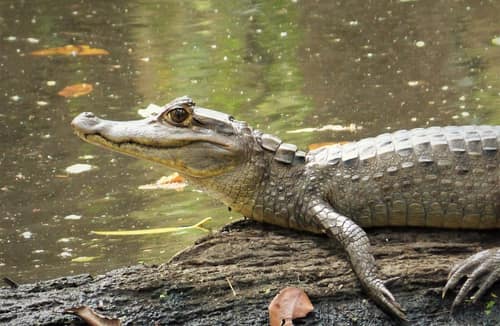
Predator (c) gailhampshire, some rights reserved (CC BY) · cc-by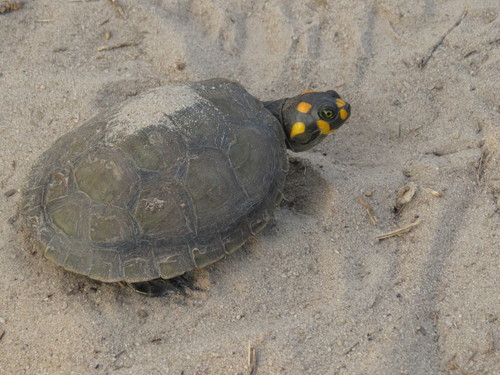
Close Relative (c) Paul Prior, some rights reserved (CC BY), uploaded by Paul Prior · cc-by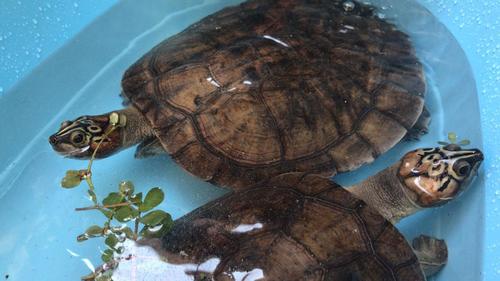
Close Relative (c) Vincent A. Vos, some rights reserved (CC BY), uploaded by Vincent A. Vos · cc-by
Help improve the field guideSomething wrong?
Checking your Fauna account…Report a name, category, or profile issue for review.