
Reptile · GBIF taxon 2442758
Indian Flapshell Turtle
Lissemys punctataAlso known as Indian Flap-shelled Turtle, Lesser Flapshell Turtle, Peninsular Flapshell Turtle
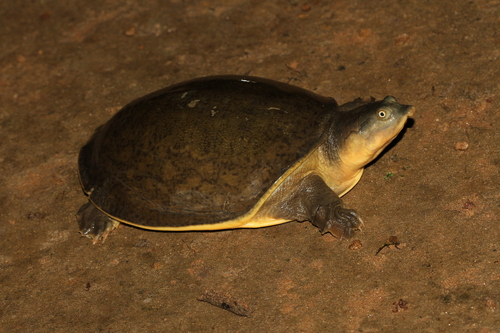
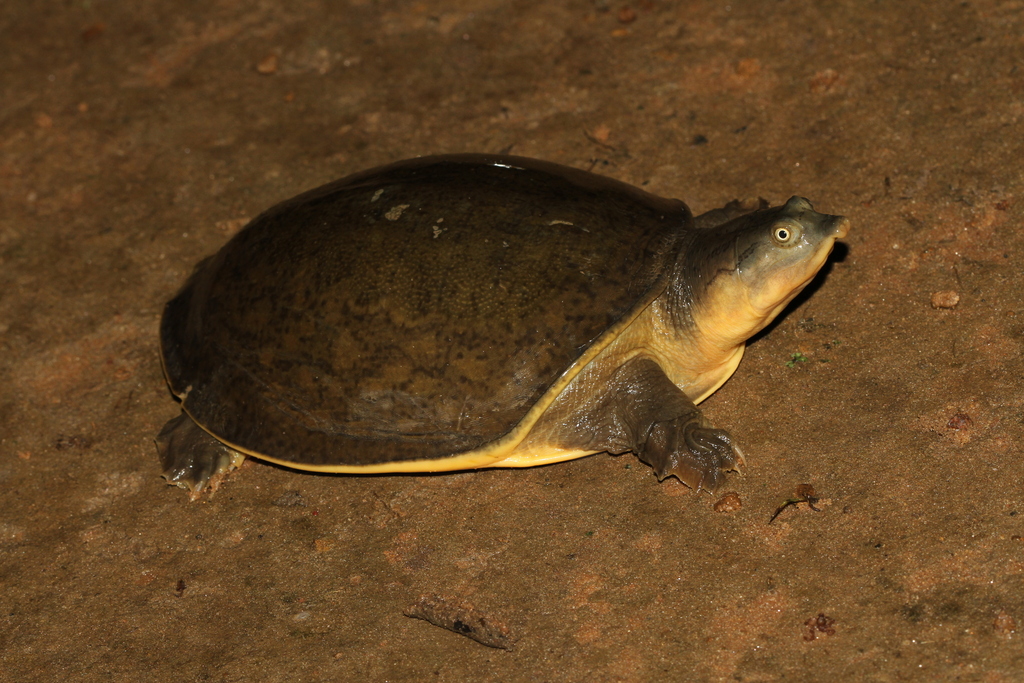
Indian flapshell turtles thrive in slow-moving freshwater systems, burrowing into mud during dry spells to survive long droughts underground. Their unusual soft shell includes flexible skin flaps on the underside that fold shut over retracted legs to protect against predators and prevent moisture loss. As opportunistic omnivores, they play a vital role in cleaning river ecosystems by scavenging decaying matter alongside hunting small aquatic prey.
FreshwaterReptileAquatic
—observations
—countries
—peak records
VulnerableConservation statusIUCN Red List categoriesLCNTVUENCREWEXVulnerableRed List categories, explained →
Diet & prey
- Small Fish
- Frogs
- Aquatic Snails
Predators
- Golden Jackals
- Monitor Lizards
- Birds of Prey
ThreatsIllegal wildlife trade for meat, habitat destruction, and water pollution
HabitatsPonds, slow rivers, marshes, ditches, and flooded paddy fields
Life span20–30 years
Size / weightNot available
Classification
- FamilyTrionychidae
- SpeciesLissemys punctata
Range data is not available yet.
Interaction riskLow
- Low
- Moderate
- High
- Very high
- Why interaction risk is low
- Capable of delivering a painful bite when cornered; observe safely from the water edge.
- Why it is dangerous
- Strong jaws and a long, highly extensible neck allow quick defensive bites if picked up or stressed.
- How to recognize a risky encounter
- Look for a smooth, olive-green carapace with yellow blotches and skin flaps covering the hind legs beneath.
- What to do
- Keep hands clear and observe from a safe distance without trying to pick up or restrain the animal.
- What to notice
- Recognizable by the yellow-spotted carapace, tubular nostrils, and flexible leathery shell edges.
- Support conservation
- Maintain a respectful distance around nesting females and report illegal capture to wildlife officials.
Responsible observation
- Observation: Look for their snorkel-like snouts poking above calm water surfaces near aquatic vegetation.
- Basking Habits: Spot them resting on mudbanks or submerged logs during warm morning hours.
- Nesting Season: Avoid disturbing individuals travelling overland, as females search for egg-laying sites.
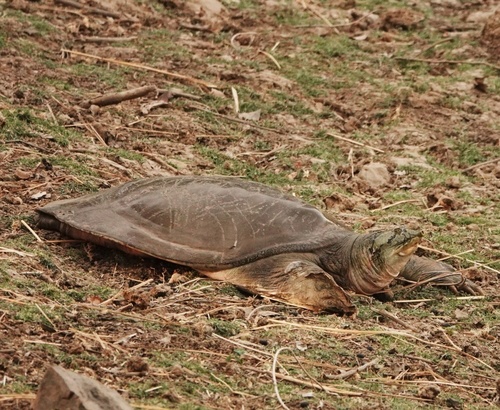
Co-occurring Species (c) Harsha Jayaramaiah, some rights reserved (CC BY), uploaded by Harsha Jayaramaiah · cc-by Image unavailable
Close Relative Family Member
Help improve the field guideSomething wrong?
Checking your Fauna account…Report a name, category, or profile issue for review.