
Reptile · GBIF taxon 2442640
Euphrates Softshell Turtle
Rafetus euphraticusAlso known as Mesopotamian Softshell Turtle
Euphrates softshell turtles spend most of their lives submerged in warm river basins, using long, snorkel-like snouts to breathe while remaining almost entirely hidden beneath muddy sediments. These large freshwater reptiles surface on quiet sandbars to bask in the sun, though human disturbance and extensive damming across their native rivers have severely fragmented their range. Their leathery, flexible shells lack rigid bony plates, allowing them to maneuver easily along soft river bottoms in search of food.
AquaticFreshwaterReptile
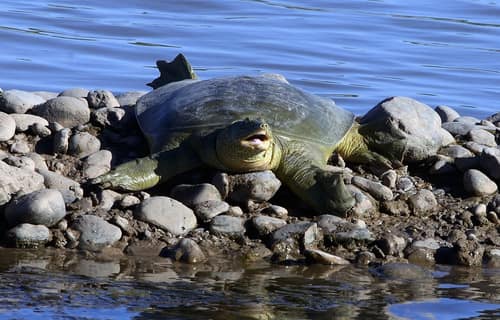
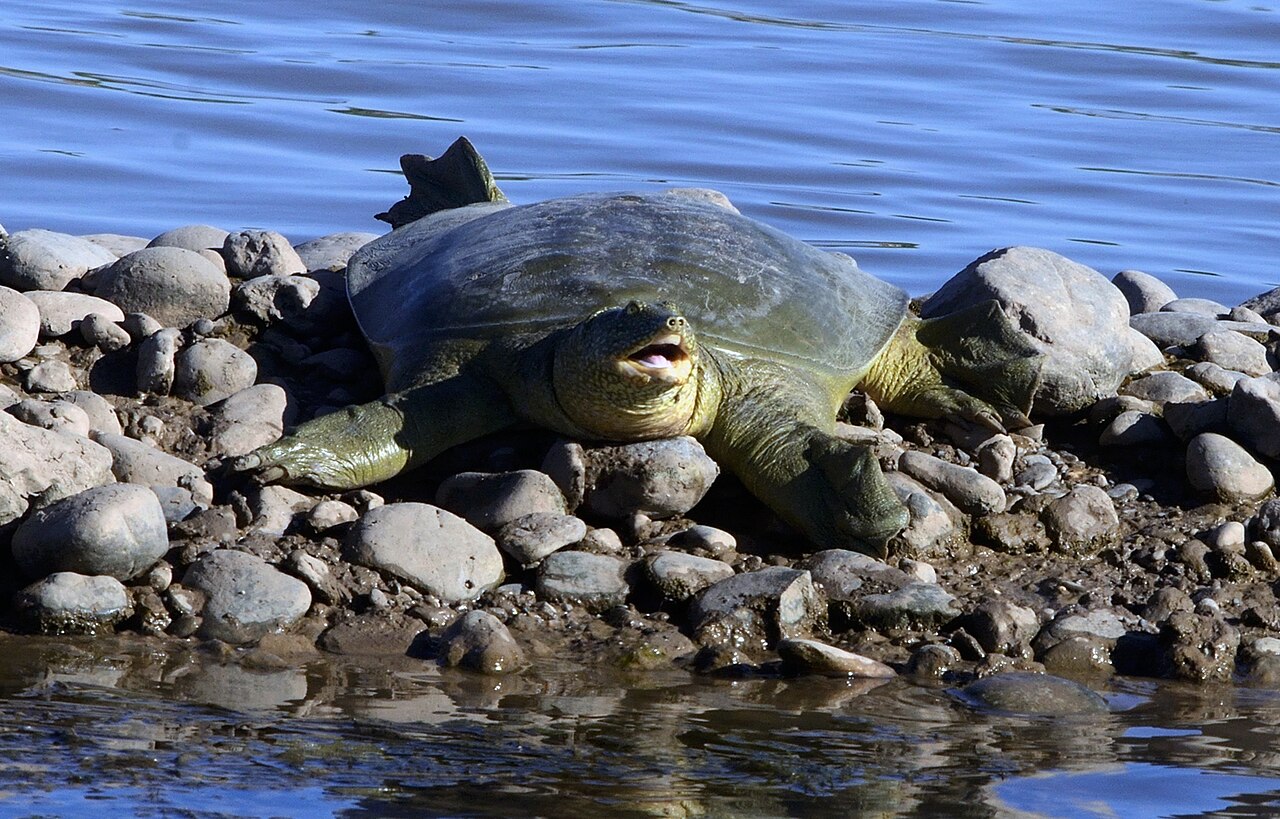
Licensed referenceDûrzan cîrano / CC BY-SA 3.0 · cc-by-sa
—observations
—countries
—peak records
EndangeredConservation statusIUCN Red List categoriesLCNTVUENCREWEXEndangeredRed List categories, explained →
Diet & prey
- Fish
- Crustaceans
- Aquatic insects
Predators
- Birds of prey
- Wild boars
- Jackals
ThreatsDam construction, river regulation, habitat loss, and mortality from fishing gear
HabitatsLarge rivers, sluggish streams, lakes, reservoirs, and marshlands
Life span20–50 years
Size / weightNot available
Classification
- FamilyTrionychidae
- SpeciesRafetus euphraticus
Range data is not available yet.
Interaction riskLow
- Low
- Moderate
- High
- Very high
- Why interaction risk is low
- Can inflict powerful bites with sharp jaws; keep a respectful distance on riverbanks.
- Why it is dangerous
- Strong jaw muscles and sharp horn-like beak can inflict painful bites and severe tissue damage if cornered.
- How to recognize a risky encounter
- Features a flexible olive-green leathery shell, flattened profile, and an extended tubular snout.
- What to do
- Remain several meters away if encountered along riverbanks or sandbars, and never attempt to pick one up.
- What to notice
- Look for a distinct soft-shelled turtle resting near calm water in the Euphrates-Tigris basin.
- Support conservation
- Observe from a distance, minimize foot traffic around sandy nesting shores, and do not disturb basking individuals.
Responsible observation
- Riverbank Spotting: Scan sandy shoals and shallow mudflats during warm morning hours when turtles emerge to bask.
- Responsible Photography: Use telephoto lenses from high vantage points to avoid scaring basking individuals back into the water.
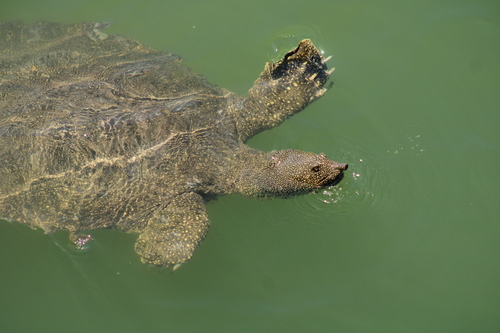
Look-Alike (c) Philip Schaffer, some rights reserved (CC BY), uploaded by Philip Schaffer · cc-by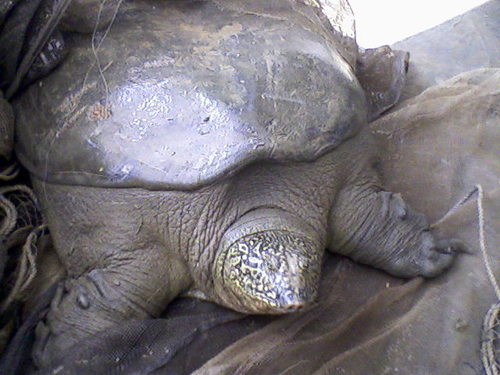
Close Relative (c) Phuongcacanh, some rights reserved (CC BY-SA) · cc-by-sa
Help improve the field guideSomething wrong?
Checking your Fauna account…Report a name, category, or profile issue for review.