
Reptile · GBIF taxon 2442139
South-American Snake-headed Turtle
Hydromedusa tectiferaAlso known as Argentine Snake-necked Turtle, South American Snake-necked Turtle
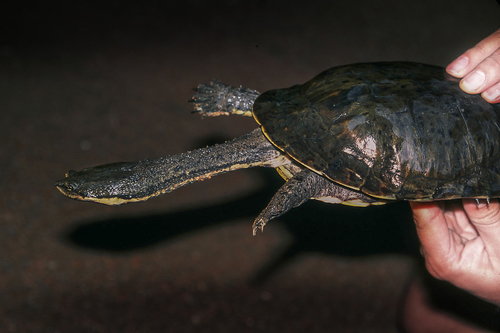
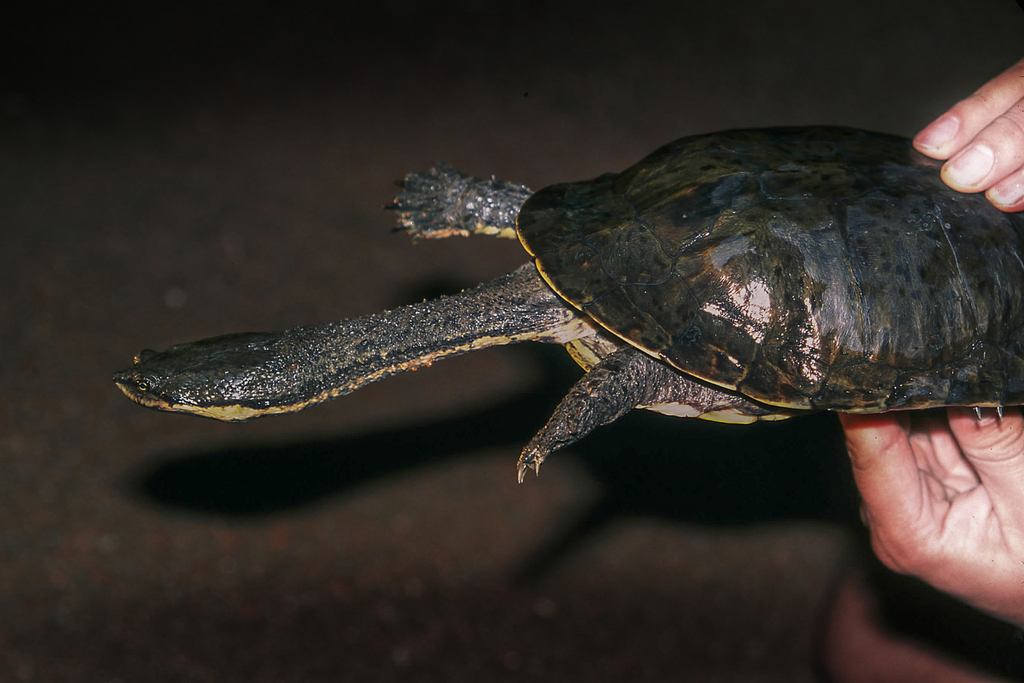
Argentine snake-necked turtles prowl slow-moving subtropical waters, using their remarkably elongated, tubercle-studded necks to snap up aquatic prey with rapid suction strikes. Unlike northern cryptodires, they tuck their head and neck sideways beneath the rim of the shell rather than retracting straight backward. Adults camouflage effectively against muddy riverbeds thanks to a grooved, keeled carapace that readily fosters algae growth.
AquaticCarnivorousReptile
—observations
—countries
—peak records
Least ConcernConservation statusIUCN Red List categoriesLCNTVUENCREWEXLeast ConcernRed List categories, explained →
Diet & prey
- Small fish
- Aquatic snails
- Tadpoles
Predators
- Caimans
- Large predatory fish
- Otters
ThreatsHabitat degradation, water pollution, dam construction, and collection for the exotic pet trade
HabitatsSlow-flowing rivers, streams, swamps, marshes, and ponds with muddy bottoms and dense vegetation
Life span20–30 years
Size / weightNot available
Classification
- FamilyChelidae
- SpeciesHydromedusa tectifera
Range data is not available yet.
Interaction riskLow
- Low
- Moderate
- High
- Very high
- Why interaction risk is low
- Can deliver a sharp defensive bite with its flexible neck if handled; observe from the bank.
- Why it is dangerous
- Possesses a strong, sharp keratinous beak mounted on a remarkably flexible neck capable of sudden defensive snaps that easily lacerate human skin.
- How to recognize a risky encounter
- Distinguished by an extremely long neck covered in small tubercles and a flattened brown carapace with distinct ridges.
- What to do
- Never handle or corner wild individuals; keep hands well clear of the front half of the shell if assisting off a road.
Responsible observation
- Observation: Scan shallow muddy margins and partially submerged logs where individuals occasionally haul out to bask.
- Handling: Keep hands away from the front half of the shell, as their neck has exceptional striking reach.
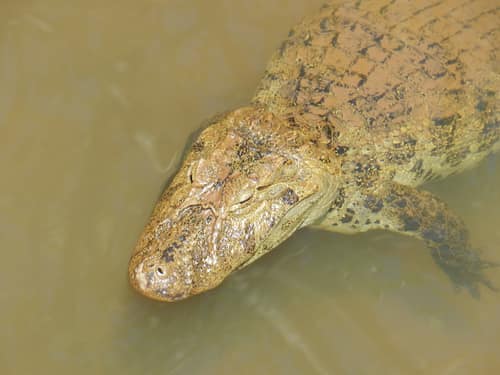
Predator (c) Leonel Roget, some rights reserved (CC BY), uploaded by Leonel Roget · cc-by Image unavailable
Competitor Family Relative Close Relative
Help improve the field guideSomething wrong?
Checking your Fauna account…Report a name, category, or profile issue for review.