
Reptile · GBIF taxon 2441757
Leopard Tortoise
Stigmochelys pardalisAlso known as Mountain Tortoise
Leopard tortoises wander open savannas and scrublands, relying on high-domed shells mottled with black and yellow blotches for camouflage among dry grass and thorny bushes. When seasonal temperatures become extreme, they shelter inside abandoned aardvark or jackal burrows because their sturdy elephantine legs are adapted for walking rather than deep burrowing. Females excavate flask-shaped nesting chambers during warm rains, laying clutches of hard-shelled eggs that can take more than a year to incubate in arid soils.
ReptileHerbivoreDiurnal
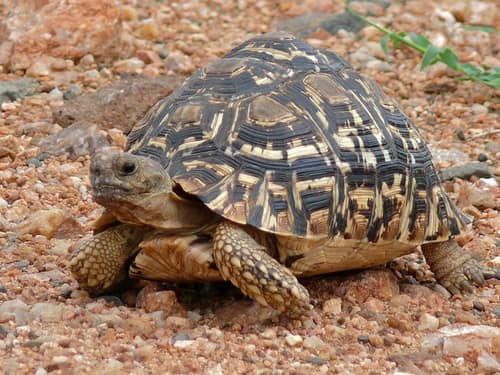
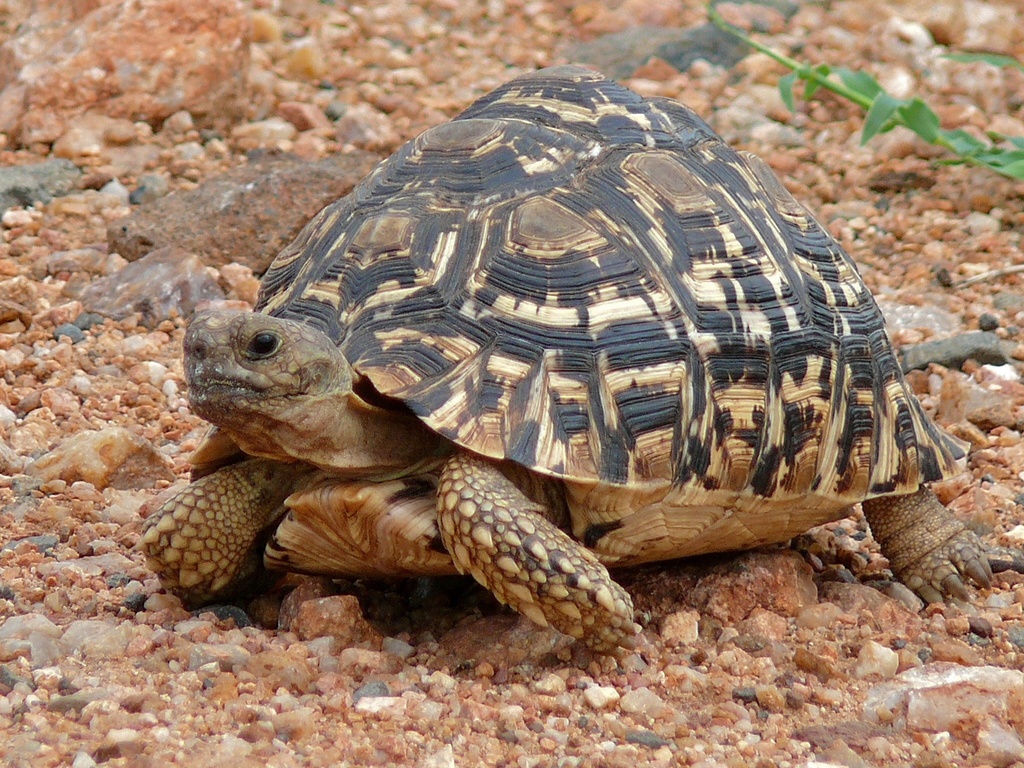
—observations
—countries
—peak records
Least ConcernConservation statusIUCN Red List categoriesLCNTVUENCREWEXLeast ConcernRed List categories, explained →
Diet & prey
- Savanna Grasses
- Succulents
- Thistles
Predators
- Spotted Hyena
- Martial Eagle
- Lion
ThreatsHabitat loss and fragmentation, illegal pet trade collection, vehicle strikes, and brush fires
HabitatsSemiarid savannas, grasslands, thorn scrub, and dry bushveld
Life span50–100 years
Size / weightNot available
Classification
- FamilyTestudinidae
- GenusStigmochelys
- SpeciesStigmochelys pardalis
Range data is not available yet.
Interaction riskLow
- Low
- Moderate
- High
- Very high
- Why interaction risk is low
- Safe to observe at a normal distance.
Responsible observation
- Keep Your Distance: Approaching too quickly causes the tortoise to withdraw and hiss, elevating its stress levels.
- Do Not Pick Up: Lifting causes tortoises to void stored bladder water defensively, which can lead to fatal dehydration in arid habitats.
- Roadside Safety: If moving one out of vehicular danger, carry it gently low to the ground in the exact direction it was traveling.
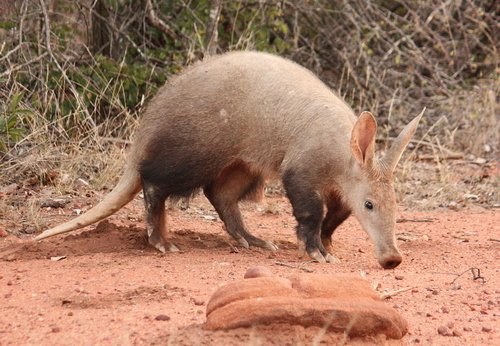
Symbiont no rights reserved, uploaded by Kelly Abram · cc0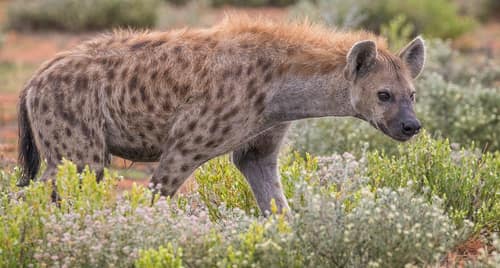
Predator Charles J. Sharp / CC BY-SA 4.0 · cc-by-sa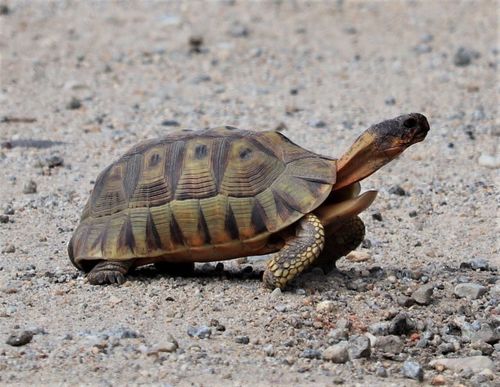
Competitor no rights reserved · cc0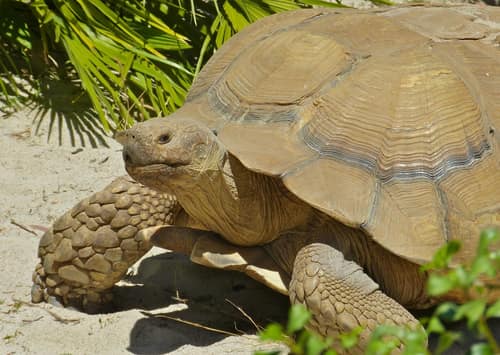
Close Relative (c) Bernard DUPONT, some rights reserved (CC BY-SA) · cc-by-sa
Help improve the field guideSomething wrong?
Checking your Fauna account…Report a name, category, or profile issue for review.