
Reptile · GBIF taxon 2441514
Afghan Tortoise
Testudo horsfieldiiAlso known as Russian Tortoise, Steppe Tortoise, Horsfield's Tortoise, Four-Toed Tortoise
Afghan tortoises excel at surviving climate extremes across dry Central Asian steppes by excavating subterranean burrows up to two meters deep. They spend up to nine months of the year inactive, entering brumation during freezing winters and aestivation during scorching summer droughts. During their brief spring emergence, they feed voraciously on ephemeral vegetation, court mates with enthusiastic head-bobbing, and nest in dry soil.
ReptileBurrowerHerbivore
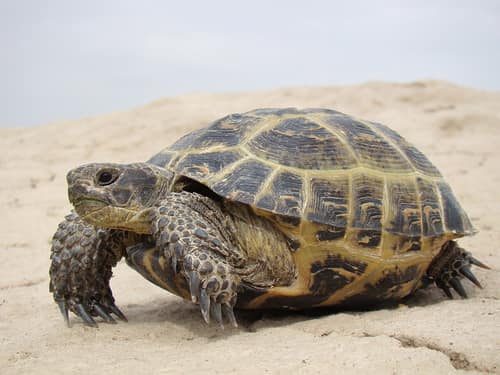
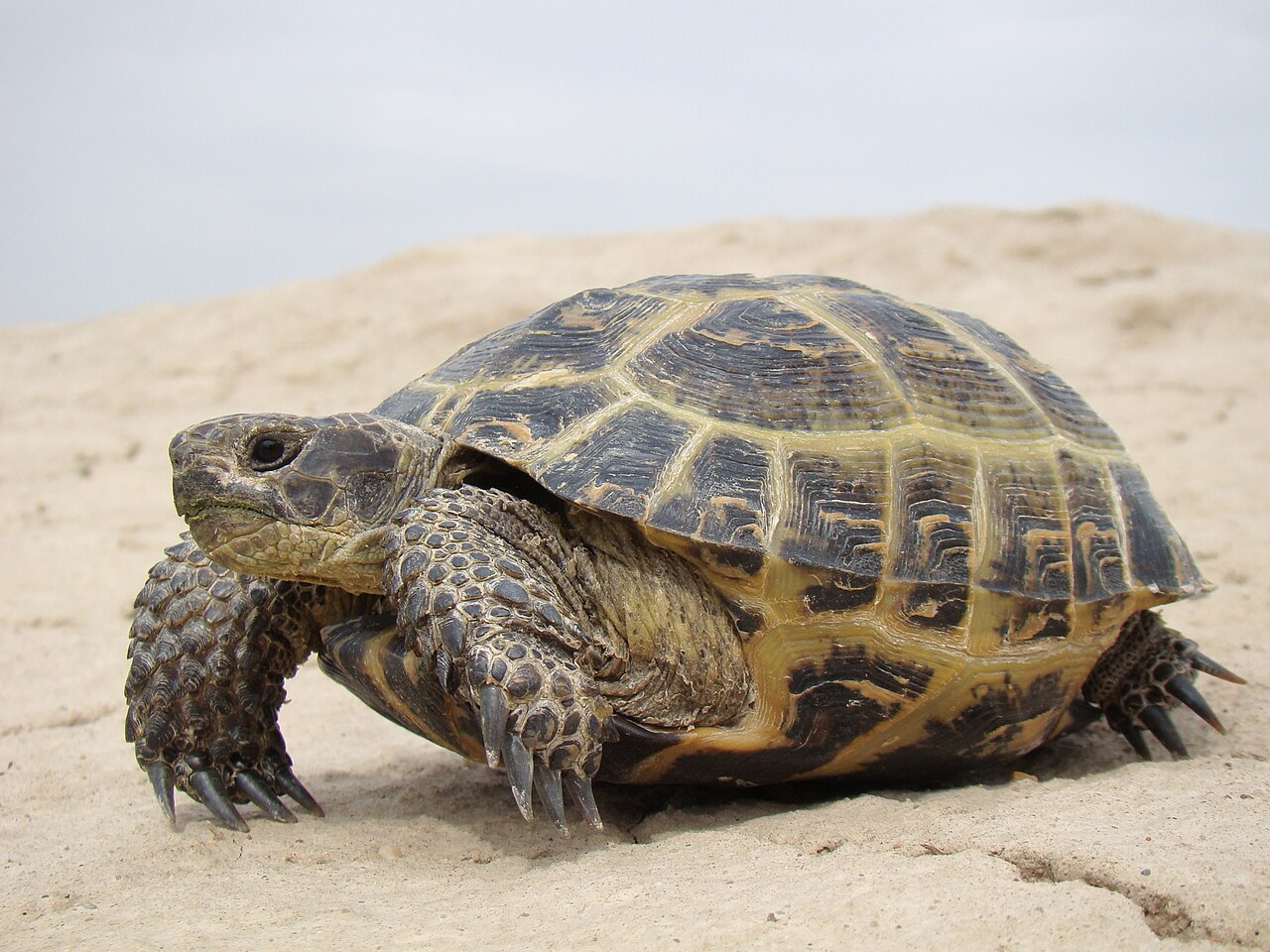
—observations
—countries
—peak records
VulnerableConservation statusIUCN Red List categoriesLCNTVUENCREWEXVulnerableRed List categories, explained →
Diet & prey
- Herbivorous (grasses, herbaceous leaves, flowers, succulents)
Predators
- Golden Eagles
- Foxes
- Wolves
ThreatsOvercollection for the international pet trade and habitat loss to agriculture
HabitatsArid steppes, dry scrubland, sandy deserts, rocky hillsides
Life span40–50 years
Size / weightNot available
Classification
- FamilyTestudinidae
- SpeciesTestudo horsfieldii
Range data is not available yet.
Interaction riskLow
- Low
- Moderate
- High
- Very high
- Why interaction risk is low
- Safe to observe at a normal distance.
- What to notice
- Recognize by a rounded yellowish-brown carapace with dark patches and distinct four-clawed feet.
- Support conservation
- Observe from a respectful distance without interfering with burrows or handling wild individuals.
Responsible observation
- Observe from Distance: Avoid approaching burrow entrances, as sudden disturbance forces tortoises to hide underground.
- Leave in Place: Never pick up wild tortoises, because handling causes stress and vital fluid loss.
- Watch Seasonal Activity: Look for active foraging during mild spring mornings when desert vegetation blooms.
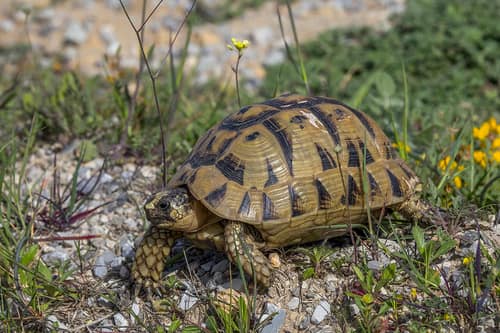
Close Relative Charles J. Sharp / CC BY-SA 4.0 · cc-by-sa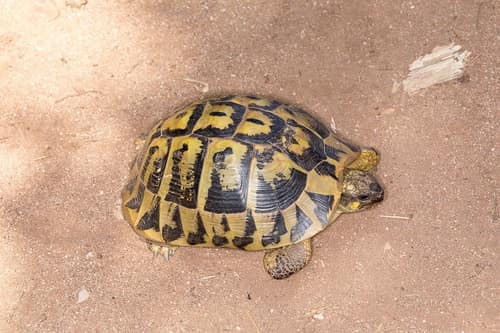
Close Relative (c) Drepanostoma, some rights reserved (CC BY), uploaded by Drepanostoma · cc-by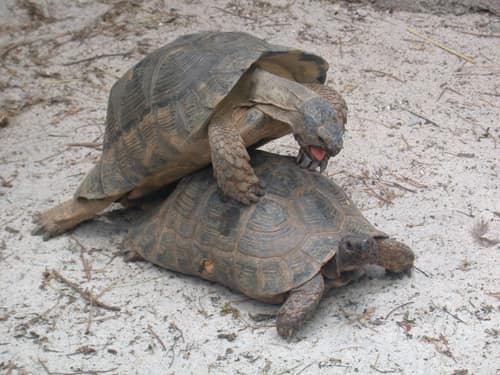
Close Relative (c) Massimo Finizio, some rights reserved (CC BY-SA) · cc-by-sa Image unavailable
Close Relative
Help improve the field guideSomething wrong?
Checking your Fauna account…Report a name, category, or profile issue for review.