
Reptile · GBIF taxon 2441461
Greek Tortoise
Testudo graecaAlso known as Moorish Tortoise, Spur-thighed Tortoise
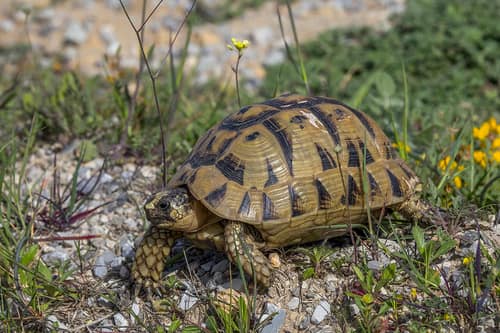
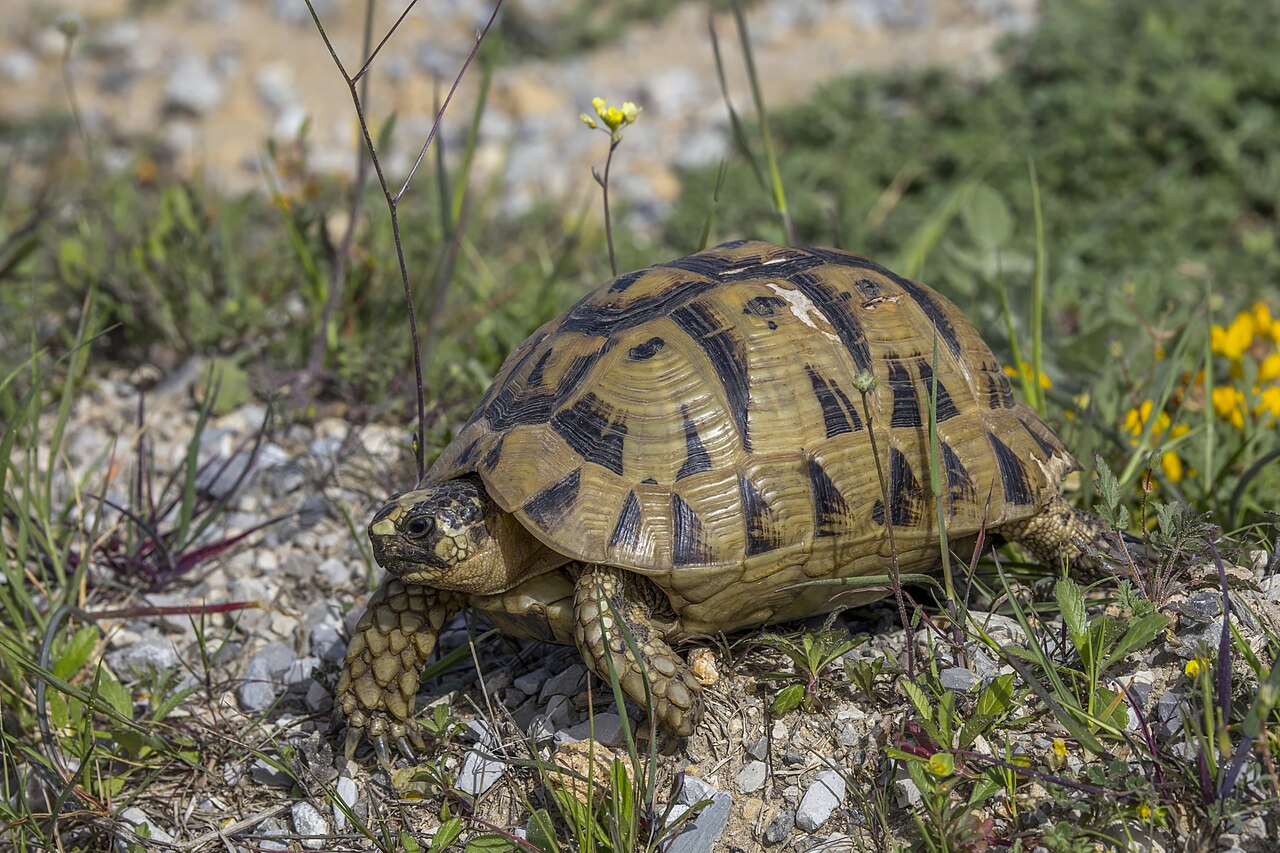
Greek tortoises spend early mornings foraging across sunny Mediterranean scrubland before retreating into shallow burrows to escape midday heat. Recognized by the distinctive thigh spurs that give them one of their alternate names, these reptiles can live for over a century under favorable conditions. Poaching for the pet trade and habitat loss continue to threaten wild populations across their native coastal ranges.
ReptileHerbivoreDiurnal
—observations
—countries
—peak records
VulnerableConservation statusIUCN Red List categoriesLCNTVUENCREWEXVulnerableRed List categories, explained →
Diet & prey
- Wild Herbs
- Grasses
- Succulents
Predators
- Ravens
- Feral Dogs
- Red Foxes
ThreatsHabitat loss, wild collection for pet trade, wildfire, and vehicle strikes
HabitatsMediterranean scrubland, dry woodlands, coastal dunes, and agricultural edges
Life span50–125 years
Size / weightNot available
Classification
- FamilyTestudinidae
- SpeciesTestudo graeca
Range data is not available yet.
Interaction riskLow
- Low
- Moderate
- High
- Very high
- Why interaction risk is low
- Safe to observe at a normal distance.
- What to notice
- Recognized by a domed shell with dark central blotches and prominent raised spurs on the back of each thigh.
- Support conservation
- Never take wild tortoises from their habitat or disturb active nesting sites.
Responsible observation
- Observation: Observe from a gentle distance without picking up wild individuals.
- Habitat Care: Avoid disturbing shallow resting burrows tucked beneath low shrubs.
- Road Safety: Drive cautiously along rural coastal roads during active morning foraging hours.
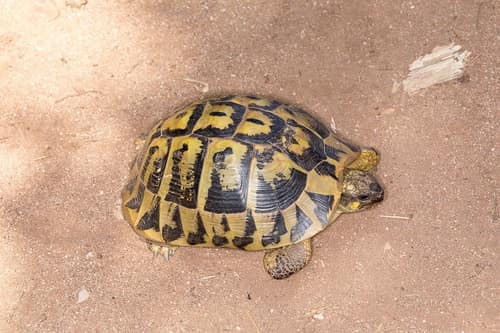
Close Relative (c) Drepanostoma, some rights reserved (CC BY), uploaded by Drepanostoma · cc-by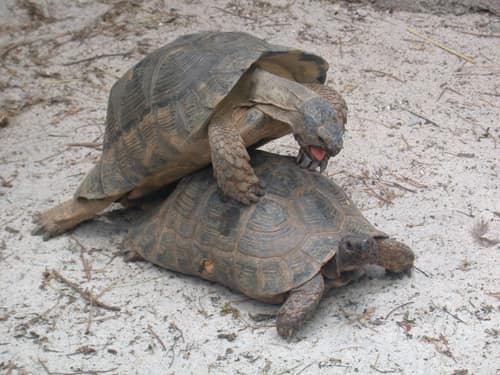
Close Relative (c) Massimo Finizio, some rights reserved (CC BY-SA) · cc-by-sa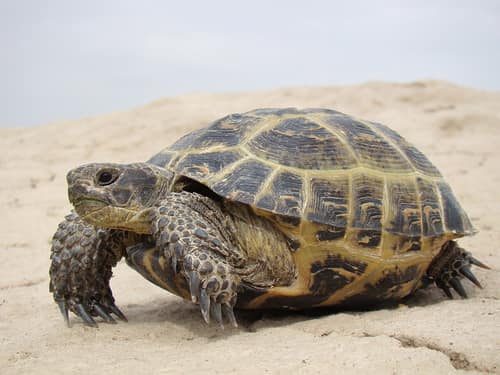
Close Relative Yuriy75 / CC BY-SA 3.0 · cc-by-sa
Help improve the field guideSomething wrong?
Checking your Fauna account…Report a name, category, or profile issue for review.