
Reptile
American Crocodile
Crocodylus acutusAlso known as Caiman de Aguja, Central American Crocodile, Yellow Crocodile
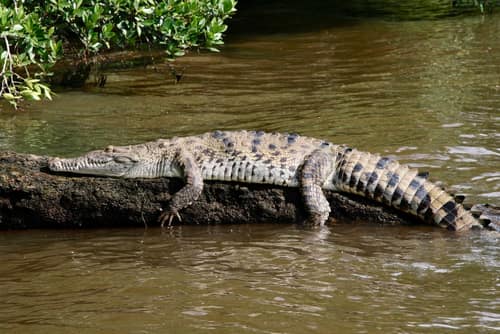
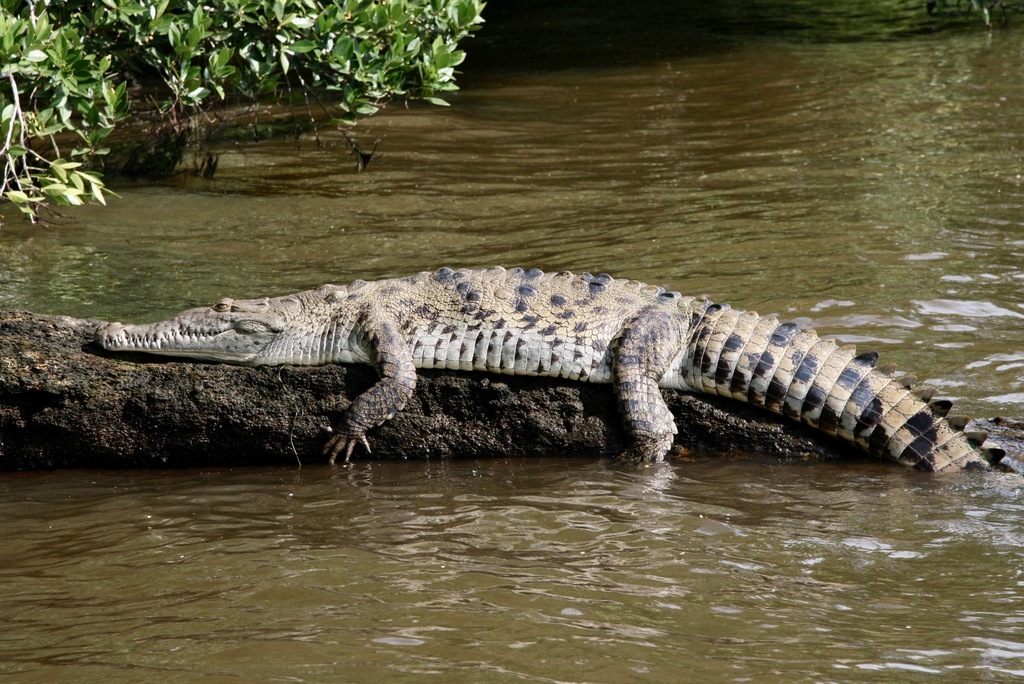
American crocodiles thrive in coastal habitats where their salt-excreting glands allow them to master brackish estuaries and marine bays. Unlike their inland alligator neighbors, these pale olive reptiles build elevated mound nests along sandy beaches and gravel banks to keep eggs above high tides. Mothers guard their clutches attentively and carry tiny hatchlings to sheltered nursery pools inside their jaws.
SemiaquaticApex PredatorReptile
—observations
—countries
—peak records
VulnerableConservation statusIUCN Red List categoriesLCNTVUENCREWEXVulnerableRed List categories, explained →
Diet & preyFish, Crabs, Water Birds
Predators
- Raccoons
- Herons
- Large Fish
ThreatsCoastal development, habitat loss, illegal hunting, nest destruction
HabitatsCoastal lagoons, mangroves, estuaries, brackish rivers
Life span50–70 years
Classification
- FamilyCrocodylidae
- GenusCrocodylus
- SpeciesCrocodylus acutus
Native
Interaction riskHigh
- Low
- Moderate
- High
- Very high
- Why interaction risk is high
- Large apex predator capable of defensive bites; maintain a safe distance along coastal waters.
- Why it is dangerous
- Massive body size and crushing bite force can cause catastrophic or fatal injuries if provoked or approached.
- How to recognize a risky encounter
- Look for a narrow V-shaped snout, pale olive color, and visible fourth lower tooth when jaws are closed.
- What to do
- Back away immediately if encountered on land, and never reach near water edges in crocodile territory.
- What to notice
- Identified by light olive coloration and preference for mangrove estuaries and coastal coves.
- Support conservation
- Keep clear of sandy beaches during spring nesting season to avoid trampling eggs or alarming mothers.
Responsible observation
- Observation Distance: Keep at least 20 meters away when observing on land or from boats.
- Avoid Feeding: Never offer food, which causes dangerous loss of natural fear toward humans.
- Water Safety: Avoid swimming in brackish coastal lagoons or mangroves where they reside.
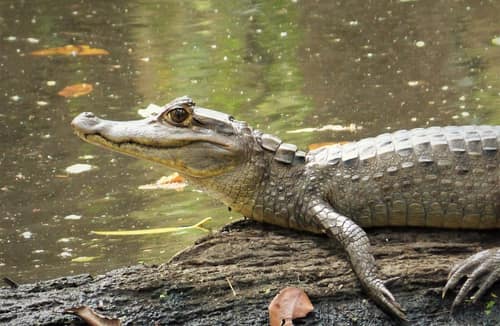
Competitor (c) gailhampshire, some rights reserved (CC BY) · cc-by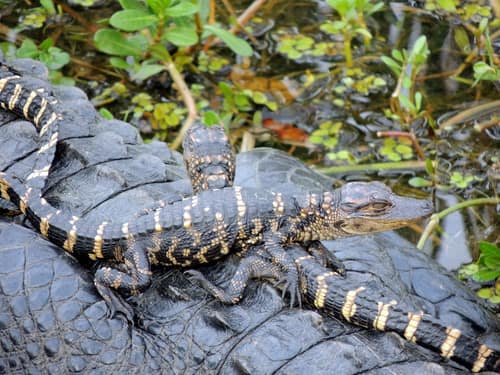
Coexisting Relative no rights reserved, uploaded by Vijay Barve · cc0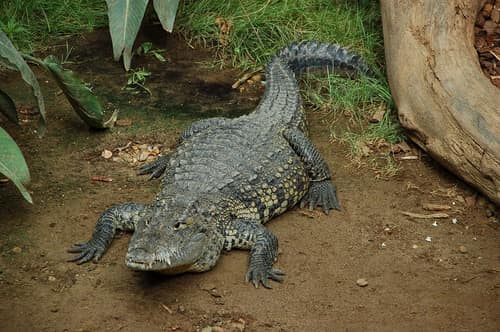
Close Relative User:GautierPoupeau / CC BY-SA 3.0 · cc-by-sa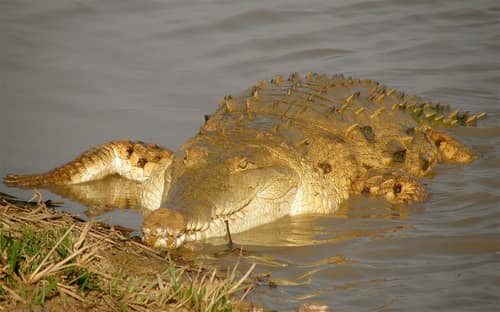
Close Relative Chrislorenz9 / CC BY-SA 4.0 · cc-by-sa
Keep collecting in Fauna
Found in Collections
Ecosystem chain
Wetland Territory
American Crocodile is found in this collection. Identify it in Fauna to fill this slot and continue your progress.
—/12
Help improve the field guideSomething wrong?
Checking your Fauna account…Report a name, category, or profile issue for review.