
Reptile
Cuban Crocodile
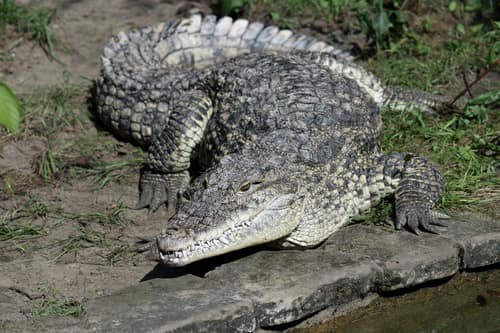
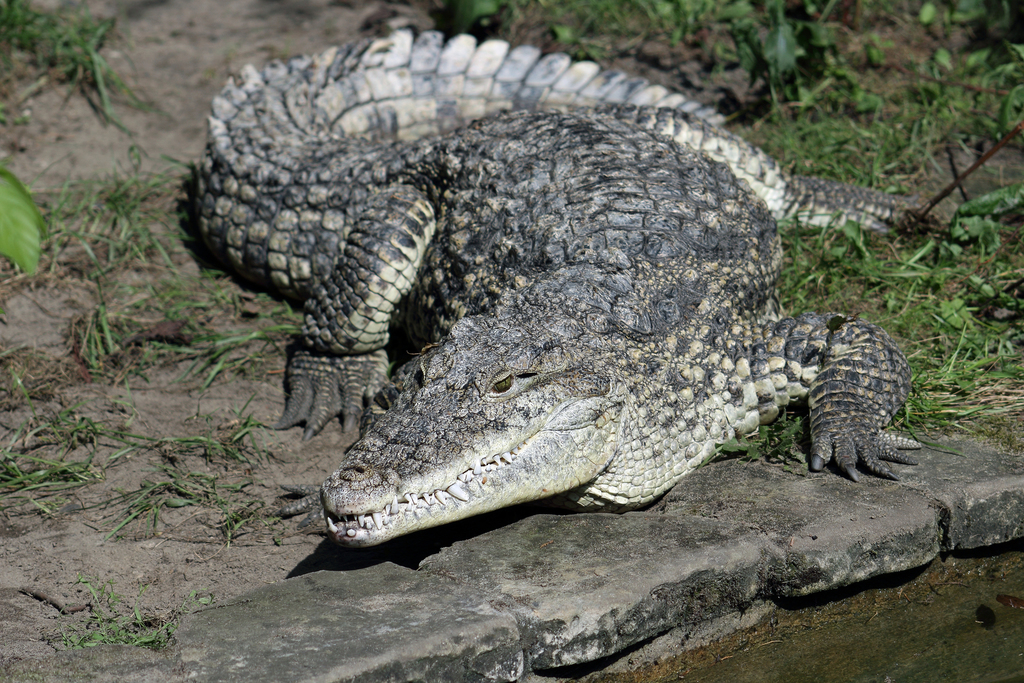
Crocodylus rhombiferRenowned for exceptional terrestrial agility, Cuban crocodiles walk with an elevated gait and can leap high out of the water to snatch prey from overhanging branches. They are remarkably gregarious yet fiercely aggressive hunters, displaying sophisticated group behaviors and distinct vocalizations. Confined primarily to the freshwater wetlands of the Zapata Swamp, their wild numbers remain precariously low due to severe habitat loss and genetic hybridization.
CarnivorousEndemicApex Predator
—observations
—countries
—peak records
Critically EndangeredConservation statusIUCN Red List categoriesLCNTVUENCREWEXCritically EndangeredRed List categories, explained →
Diet & preyDesmarest's hutia, Freshwater turtles, Cuban gar
Predators
- Humans
- Birds of prey
- Large wading birds
ThreatsHabitat loss, illegal poaching, and hybridization with American crocodiles
HabitatsFreshwater marshes, peat swamps, and flooded wetlands
Life span50–75 years
Classification
- FamilyCrocodylidae
- GenusCrocodylus
- SpeciesCrocodylus rhombifer
Native
Interaction riskHigh
- Low
- Moderate
- High
- Very high
- Why interaction risk is high
- Powerful predator capable of explosive leaps and crushing bites; observe only from a safe, elevated distance.
- Why it is dangerous
- Exerts immense bite pressure and charges rapidly on land, capable of severe trauma, limb loss, or fatal attacks.
- How to recognize a risky encounter
- Look for a bright pebble-patterned hide of yellow and black, long powerful legs, and raised bony ridges behind the eyes.
- What to do
- Never approach the shoreline in wild habitats, and remain behind barriers when visiting conservation enclosures.
- What to notice
- Exhibits a blunt, short snout and a noticeably elevated walking posture rarely seen in other crocodilians.
- Support conservation
- Never enter protected Zapata Swamp reserves without authorized wildlife officers, and report illegal hunting or wildlife trade.
Responsible observation
- Viewing Safety: Stay well back from the water's edge on reinforced platforms, as individuals can launch upwards suddenly.
- Sanctuary Visits: Observe through accredited captive breeding facilities in the Zapata Peninsula led by certified guides.
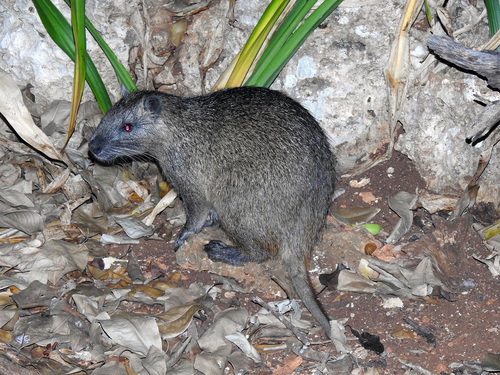
Prey (c) Louis Imbeau, some rights reserved (CC BY), uploaded by Louis Imbeau · cc-by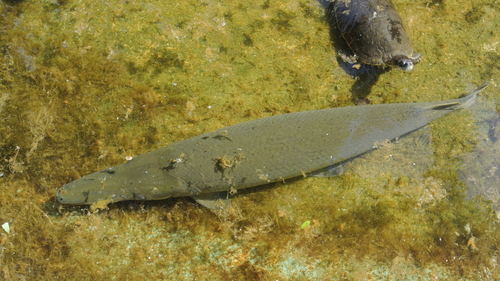
Prey (c) Poleta33, some rights reserved (CC BY-SA) · cc-by-sa Image unavailable
Prey 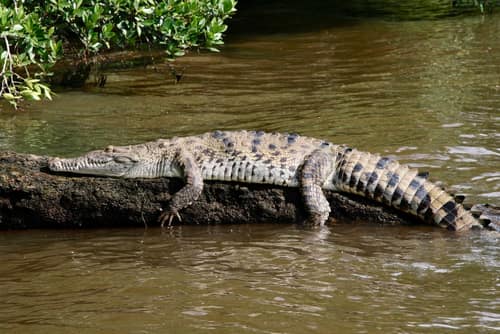
Close Relative (c) Dr. Alexey Yakovlev, some rights reserved (CC BY-SA) · cc-by-sa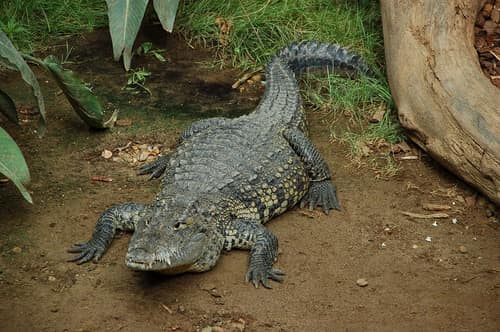
Close Relative User:GautierPoupeau / CC BY-SA 3.0 · cc-by-sa
Keep collecting in Fauna
Found in Collections
Ecosystem chain
Wetland Territory
Cuban Crocodile is found in this collection. Identify it in Fauna to fill this slot and continue your progress.
—/12
Help improve the field guideSomething wrong?
Checking your Fauna account…Report a name, category, or profile issue for review.