
Mammal · GBIF taxon 2441222
Western Bearded Pig
Sus barbatusAlso known as Bornean Bearded Pig, Sunda Bearded Pig, Bearded Pig
Bearded pigs are distinguished by the prominent yellowish-white hair bristling across their snouts and cheeks. Native to the tropical rainforests of Borneo, Sumatra, and the Malay Peninsula, these suids perform remarkable long-distance migrations following the synchronized fruiting cycles of dipterocarp trees. Maternal sows construct elaborate domed nests from woven saplings and vegetation to shelter their newborn litters.
RainforestMigratorySocial
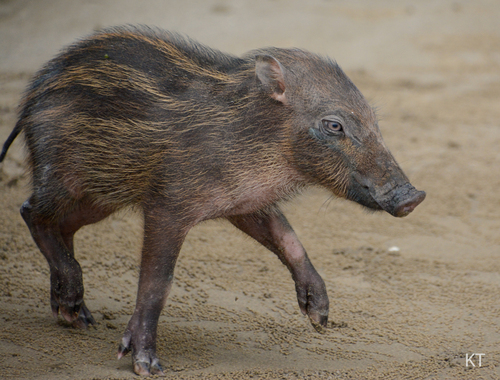
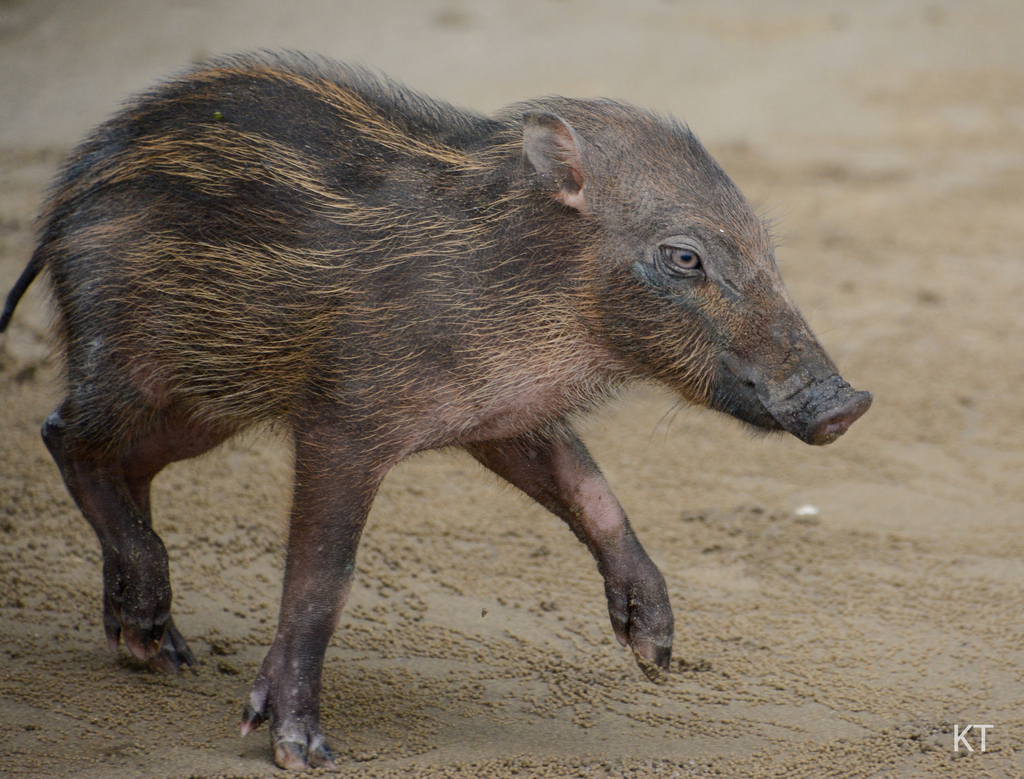
—observations
—countries
—peak records
VulnerableConservation statusIUCN Red List categoriesLCNTVUENCREWEXVulnerableRed List categories, explained →
Diet & prey
- Dipterocarp Fruits
- Forest Roots and Tubers
- Earthworms and Larvae
Predators
- Sumatran Tiger
- Sundaland Clouded Leopard
- Saltwater Crocodile
ThreatsDeforestation, forest fragmentation, hunting, and African Swine Fever outbreaks
HabitatsPrimary rainforests, peat swamp forests, and coastal mangroves
Life span10–14 years
Size / weightNot available
Classification
- FamilySuidae
- SpeciesSus barbatus
Range data is not available yet.
Interaction riskHigh
- Low
- Moderate
- High
- Very high
- Why interaction risk is high
- Large wild pigs can charge or bite if threatened; keep a respectful distance in the forest.
- Why it is dangerous
- Sharp tusks and heavy body mass make charges dangerous if the animal is startled, cornered, or protecting young.
- How to recognize a risky encounter
- Identified by a slender build, long head, and prominent pale facial beard above the snout.
- What to do
- Back away slowly if encountered at close range, avoiding sudden movement or blocking escape paths.
- What to notice
- Recognize their long snout and bearded cheeks while foraging in tropical rainforest leaf litter.
- Support conservation
- Keep to marked trails, avoid disturbing nesting sites, and support local habitat conservation initiatives.
Responsible observation
- Observe from Distance: Watch quietly from established trails to avoid startling solitary boars or family groups.
- Respect Migrations: Give migrating herds wide passage when they cross rivers or forest corridors.
- Store Food Securely: Keep campsite food tightly packed to avoid attracting foraging pigs into camp.
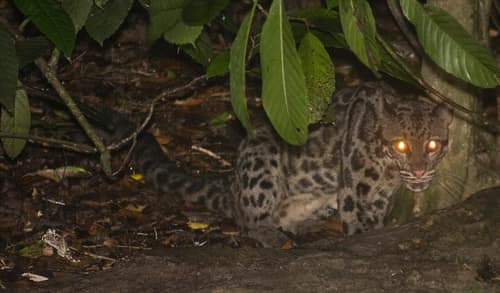
Natural Predator www.photosbypaulo.com / CC BY-SA 3.0 · cc-by-sa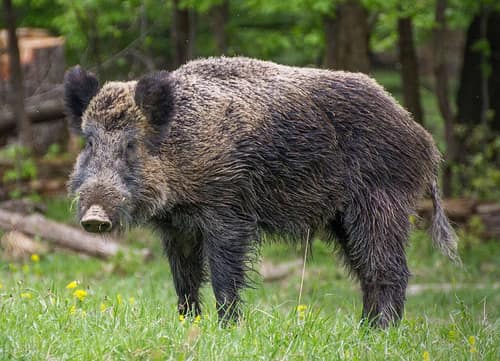
Close Relative Valentin Panzirsch / CC BY-SA 3.0 at · cc-by-sa Image unavailable
Close Relative 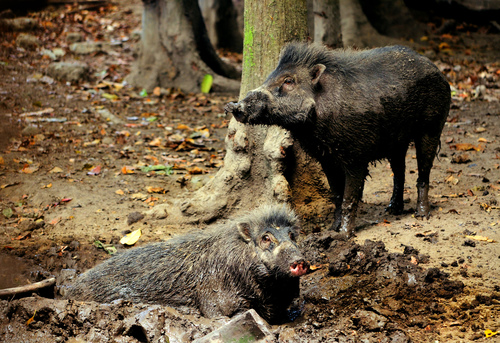
Close Relative (c) Shukran888, some rights reserved (CC BY-SA) · cc-by-sa
Help improve the field guideSomething wrong?
Checking your Fauna account…Report a name, category, or profile issue for review.