
Mammal · GBIF taxon 2441133
Nilgai
Boselaphus tragocamelusAlso known as Blue Bull, Nilghai
Nilgai are Asia's largest antelopes, easily recognized by their sloping backs, distinct white throat patches, and prominent neck tufts. Mature males feature a slate-blue coat and sharp horns, while females display a warm tawny coloration. These diurnal grazers gather in loose single-sex herds and frequently wander into agricultural fields, bringing them into regular contact with human communities.
DiurnalHerbivoreSocial
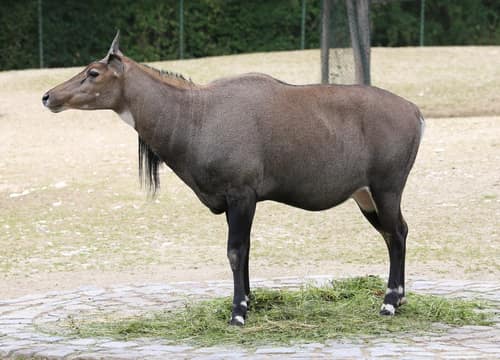
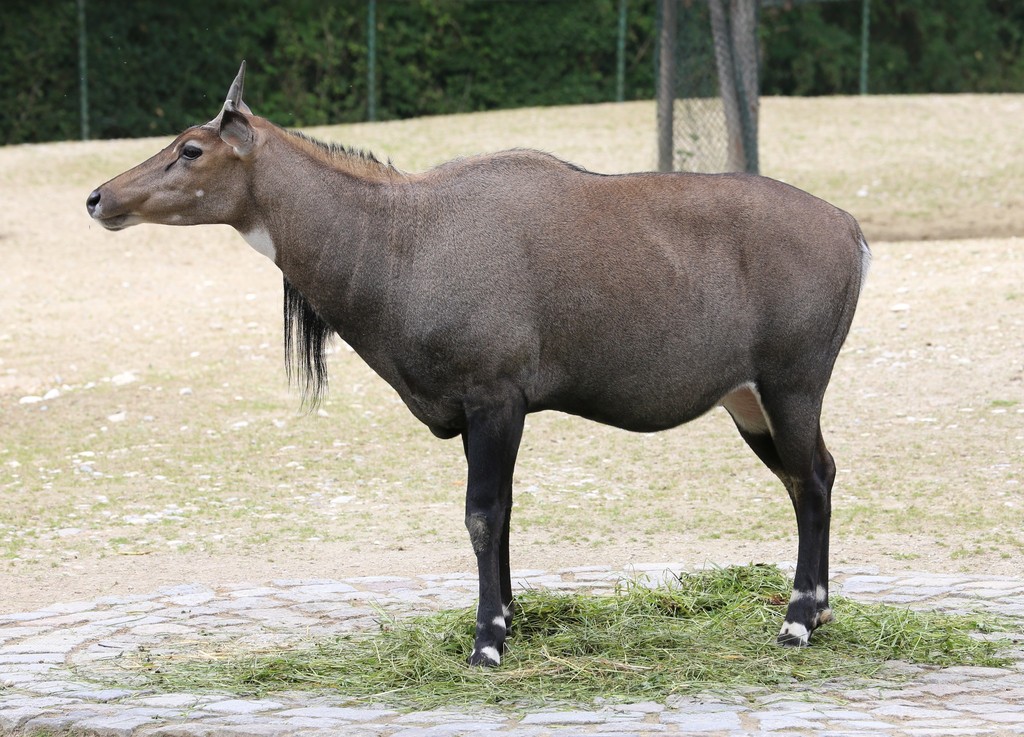
—observations
—countries
—peak records
Least ConcernConservation statusIUCN Red List categoriesLCNTVUENCREWEXLeast ConcernRed List categories, explained →
Diet & prey
- Herbivorous (grasses, woody plants, leaves, seeds, and agricultural crops)
Predators
- Bengal tiger
- Leopard
- Dhole
ThreatsHabitat conversion, conflict with farmers, vehicle collisions, and localized poaching
HabitatsArid scrublands, grassy plains, dry deciduous forests, and farmland edges
Life span12–15 years in the wild
Classification
- OrderArtiodactyla
- FamilyBovidae
- GenusBoselaphus
- SpeciesBoselaphus tragocamelus
Range data is not available yet.
Interaction riskHigh
- Low
- Moderate
- High
- Very high
- Why interaction risk is high
- Large and heavy antelopes; keep a safe distance, especially when driving through their habitat.
- Why it is dangerous
- Can weigh up to nearly 300 kilograms and cause severe vehicle collisions or charge if cornered.
- How to recognize a risky encounter
- Look for a sloping back, a deep neck with a white throat patch, and a dark neck tuft.
- What to do
- Drive cautiously in nilgai range and stay inside vehicles or at a safe distance when observing.
Responsible observation
- Road Safety: Slow down on rural roads at dawn and dusk when nilgai actively cross highways.
- Safe Distance: Maintain a distance of at least 30 meters, as startled adults can bolt unpredictably.
- Respect Boundaries: Give mothers with young calves extra space to prevent protective aggression.
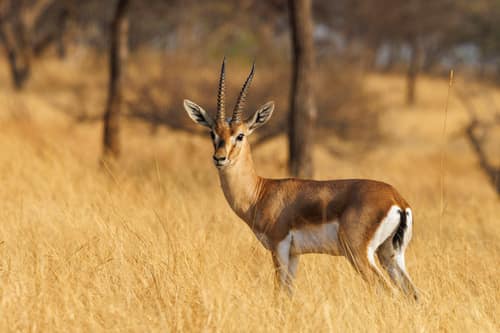
Co-occupant (c) Ramesh Shenai Jr., some rights reserved (CC BY) · cc-by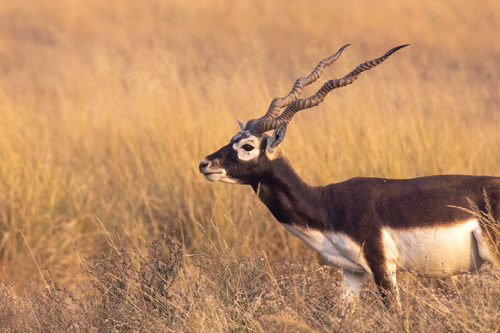
Co-occupant (c) Paulmathi Vinod, some rights reserved (CC BY), uploaded by Paulmathi Vinod · cc-by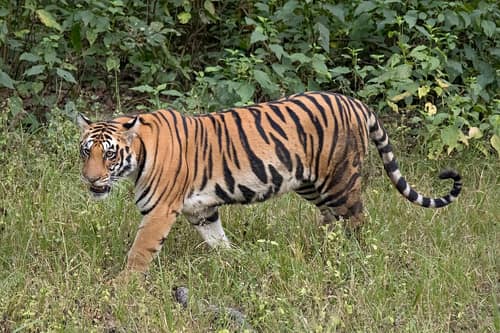
Predator Charles J. Sharp / CC BY-SA 4.0 · cc-by-sa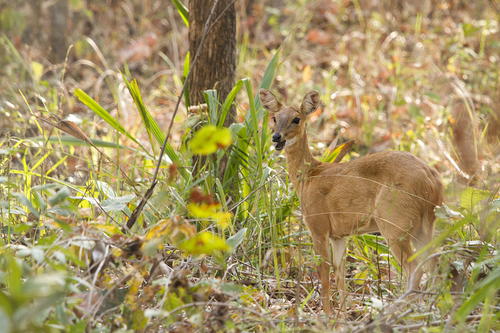
Close Relative (c) Ramesh Shenai, some rights reserved (CC BY), uploaded by Ramesh Shenai · cc-by
Help improve the field guideSomething wrong?
Checking your Fauna account…Report a name, category, or profile issue for review.