
Mammal · GBIF taxon 2441056
Domestic Goat
Capra hircusAlso known as Goat
Domestic goats were among the earliest animals domesticated by humans, cultivated over ten thousand years ago for their milk, meat, fiber, and hide. Renowned for their extraordinary agility and curiosity, these agile browsers use rectangular pupils to maintain a wide field of view while navigating precarious cliffs and rocky terrain. Social herds communicate through distinct bleats and establish clear hierarchies using subtle body language and occasional horn displays.
DomesticatedHerbivoreLivestock


—observations
—countries
—peak records
Not EvaluatedConservation statusIUCN Red List categoriesLCNTVUENCREWEXNot Evaluated — not placed on the risk ladderRed List categories, explained →
Diet & prey
- Herbivorous browser (leaves, shrubs, twigs, bark, and grasses)
Predators
- Wolves
- Cougars
- Domestic Dogs
ThreatsPredation by wild carnivores, internal parasites, and livestock diseases
HabitatsFarms, pastures, dry scrublands, and mountainous terrain
Life span15–18 years
Size / weightNot available
Classification
- OrderArtiodactyla
- FamilyBovidae
- GenusCapra
- SpeciesCapra hircus
Range data is not available yet.
Interaction riskLow
- Low
- Moderate
- High
- Very high
- Why interaction risk is low
- Can headbutt or gore with horns if startled or protective; give bucks and mothers space.
Responsible observation
- Approach slowly: Walk toward them from the front or side so they can track you with their wide horizontal pupils.
- Avoid feeding: Never offer random garden cuttings, as common landscape shrubs like azaleas are fatal to goats.
- Respect boundaries: Keep a respectful distance from adult bucks and mothers nursing young kids.
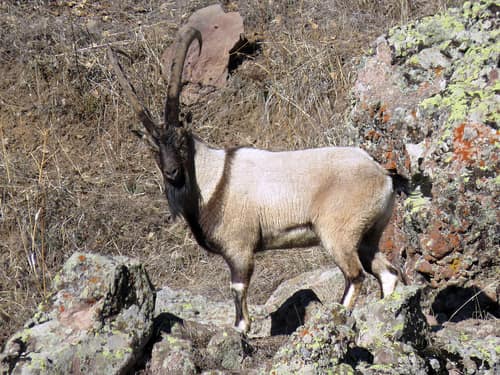
Ancestor Alexander Malkhasyan / CC BY-SA 4.0 · cc-by-sa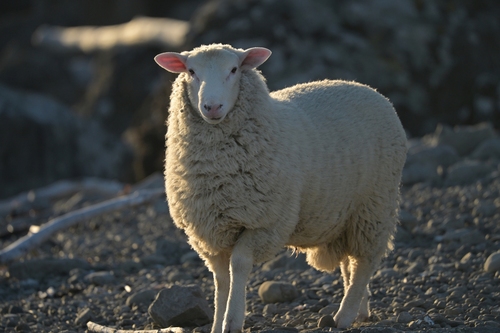
Close Relative (c) Christopher Stephens, some rights reserved (CC BY-SA), uploaded by Christopher Stephens · cc-by-sa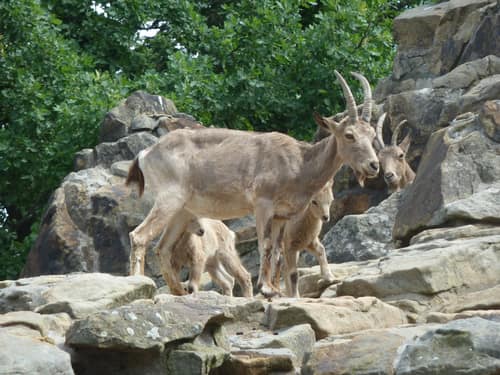
Close Relative (c) Paul Morris, some rights reserved (CC BY-SA) · cc-by-sa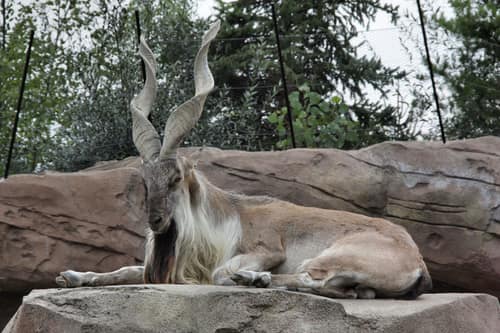
Close Relative no rights reserved, uploaded by Dennis White · cc0
Help improve the field guideSomething wrong?
Checking your Fauna account…Report a name, category, or profile issue for review.