
Mammal · GBIF taxon 2441052
Siberian Ibex
Capra sibiricaAlso known as Asian Ibex, Tian Shan Ibex, Himalayan Ibex, Altai Ibex
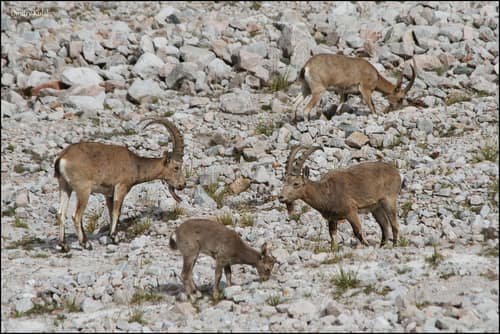
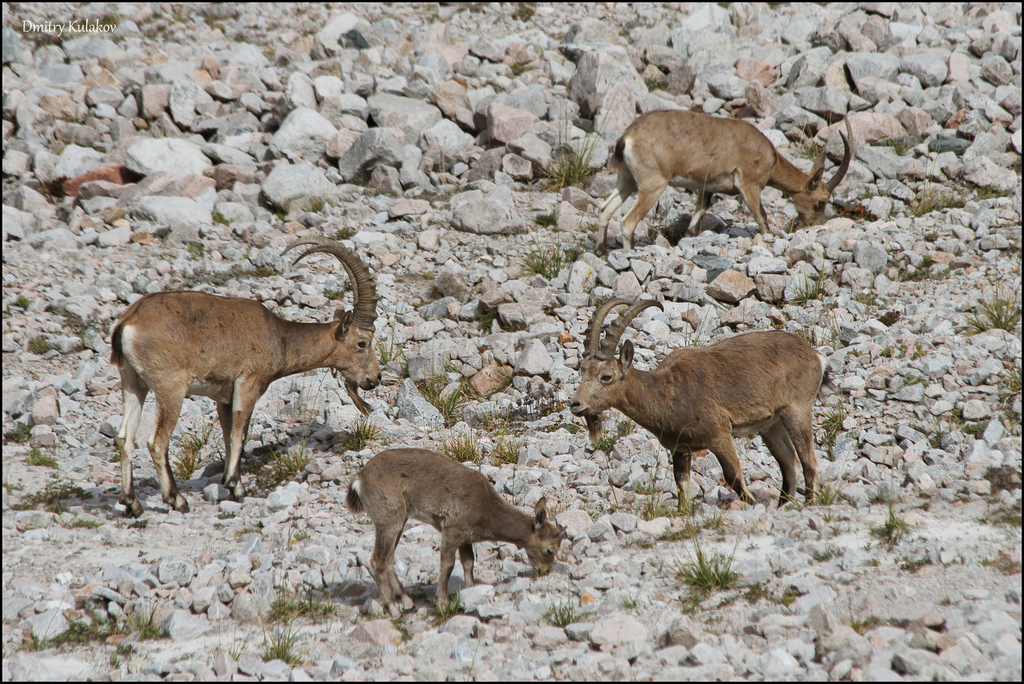
Navigating sheer cliff faces with astonishing agility, Siberian ibex thrive in the high-altitude mountain ranges and rocky deserts of Central Asia. Herds segregate by sex for most of the year, with mature males forming bachelor groups while females raise kids on steep ledges. During the late autumn rut, massive males clash their ridged scimitar horns in thunderous head-butting duels that echo across alpine valleys.
Mountain NativeHerbivoreHorned
 1 / 7
1 / 7—observations
—countries
—peak records
Near ThreatenedConservation statusIUCN Red List categoriesLCNTVUENCREWEXNear ThreatenedRed List categories, explained →
Diet & prey
- Alpine Grasses
- Forbs
- Mountain Shrubs
Predators
- Snow Leopard
- Gray Wolf
- Eurasian Lynx
ThreatsPoaching, Competition with Livestock, Habitat Degradation
HabitatsAlpine Meadows, Rocky Scree, Steep Cliffs, Cold Deserts
Life span12-17 years
Size / weightNot available
Classification
- FamilyBovidae
- SpeciesCapra sibirica
Range data is not available yet.
Interaction riskHigh
- Low
- Moderate
- High
- Very high
- Why interaction risk is high
- Large males can act defensively if cornered; observe herds from a safe distance using binoculars.
- What to notice
- Recognizable by huge backward-curved scimitar horns with prominent frontal knots and stocky mountain-adapted body.
- Support conservation
- Maintain substantial distance and avoid blocking escape routes along precipitous cliff edges.
Responsible observation
- Observe from Afar: Use a spotting scope or telephoto lens to watch herds without causing stampedes.
- Watch for Sentinels: Females on high ledges whistle loud warnings when detecting human presence.
- Respect Rutting Season: Keep extra distance during late autumn clashes when males act aggressively.
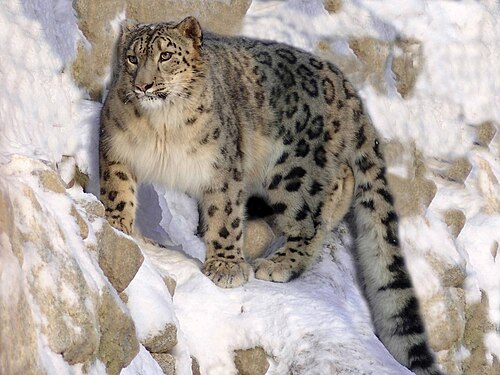
Predator Irbis1983 / Public domain · cc0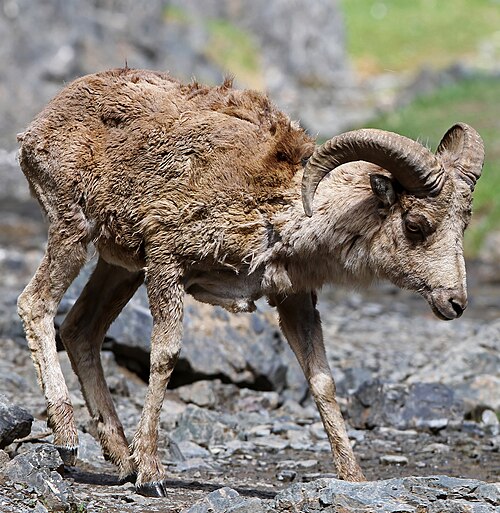
Competitor James Eaton / CC0 · cc0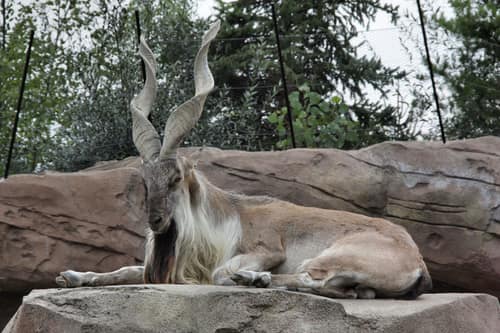
Close Relative no rights reserved, uploaded by Dennis White · cc0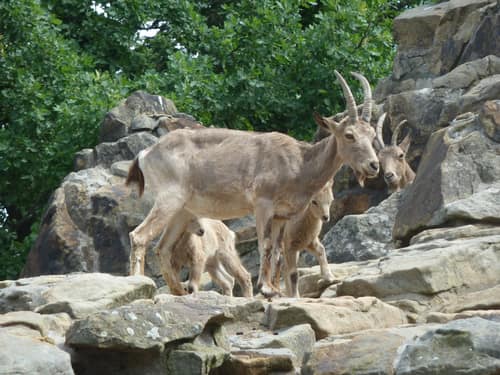
Close Relative (c) Paul Morris, some rights reserved (CC BY-SA) · cc-by-sa
Keep collecting in Fauna
Found in Collections
Ecosystem chain Pro
Alpine Heights
Siberian Ibex is found in this collection. Identify it in Fauna to fill this slot and continue your progress.
Unlock to track progress
Help improve the field guideSomething wrong?
Checking your Fauna account…Report a name, category, or profile issue for review.