
Mammal · GBIF taxon 2441051
Caucasian Tur
Capra caucasicaAlso known as West Caucasian Tur, Kuban Tur
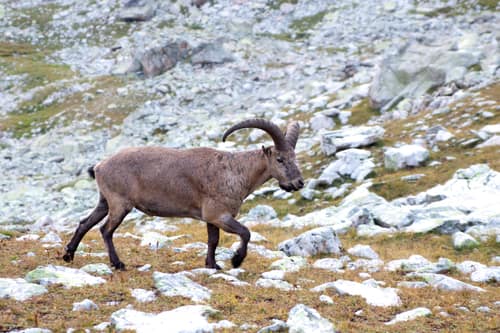
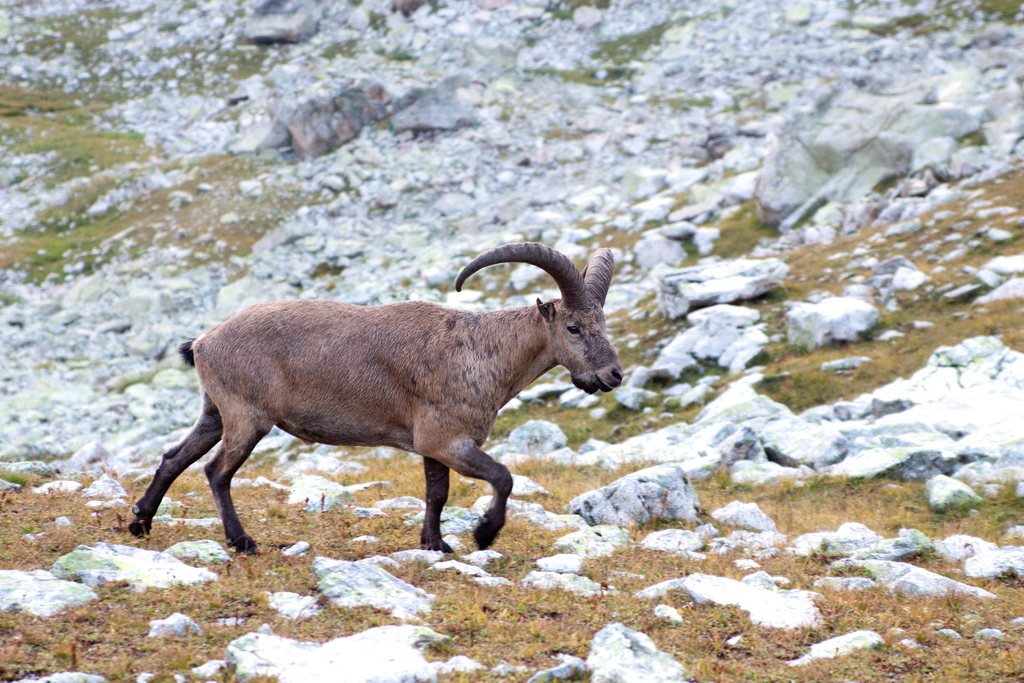
West Caucasian turs navigate near-vertical precipices with astounding agility, spending summer days grazing on high alpine meadows above three thousand meters. Males carry remarkable, thick horns that curve backwards in a sweeping arc, using them in thunderous head-butting clashes during the autumn rut. As winter snows deepen, herds descend into forested valleys where they shelter beneath tree canopies and browse on woody shrubs.
AlpineHornedMountain Dweller
 1 / 2
1 / 2—observations
—countries
—peak records
EndangeredConservation statusIUCN Red List categoriesLCNTVUENCREWEXEndangeredRed List categories, explained →
Diet & prey
- Grasses
- Alpine Herbs
- Shrub Foliage
Predators
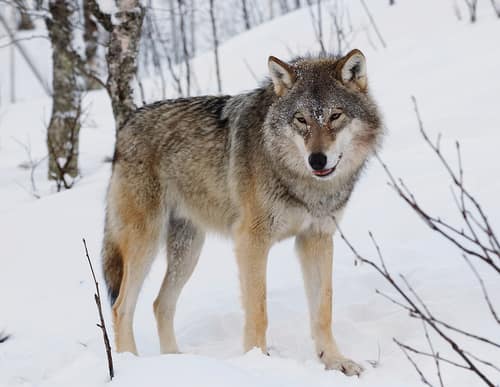
- Gray Wolf
- Caucasian Leopard
- Eurasian Lynx
ThreatsPoaching, habitat degradation, competition with domestic livestock
HabitatsAlpine meadows, rocky cliffs, subalpine forest edges
Life span10–12 years
Size / weightNot available
Classification
- FamilyBovidae
- SpeciesCapra caucasica
Range data is not available yet.
Interaction riskHigh
- Low
- Moderate
- High
- Very high
- Why interaction risk is high
- Large males can be protective during the rut; observe from a safe distance using optics.
- What to notice
- Recognizable by a heavily built body, short brownish-grey coat, and thick scimitar horns on males.
- Support conservation
- Maintain a generous distance and avoid blocking escape routes along narrow cliff trails.
Responsible observation
- Use Optics: View herds through binoculars or a spotting scope to avoid disturbing their feeding.
- Seasonal Tracking: Look for them high on rocky ridges in summer and lower in valley forests during winter.
Help improve the field guideSomething wrong?
Checking your Fauna account…Report a name, category, or profile issue for review.