
Mammal · GBIF taxon 2441049
Nubian Ibex
Capra nubianaAlso known as Middle Eastern Ibex, Beden
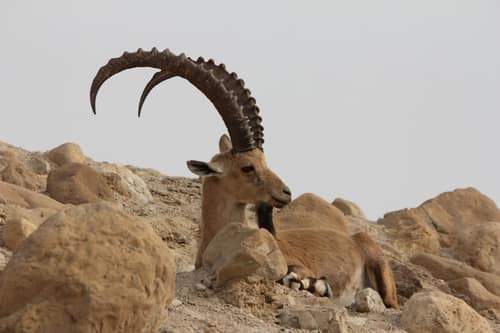
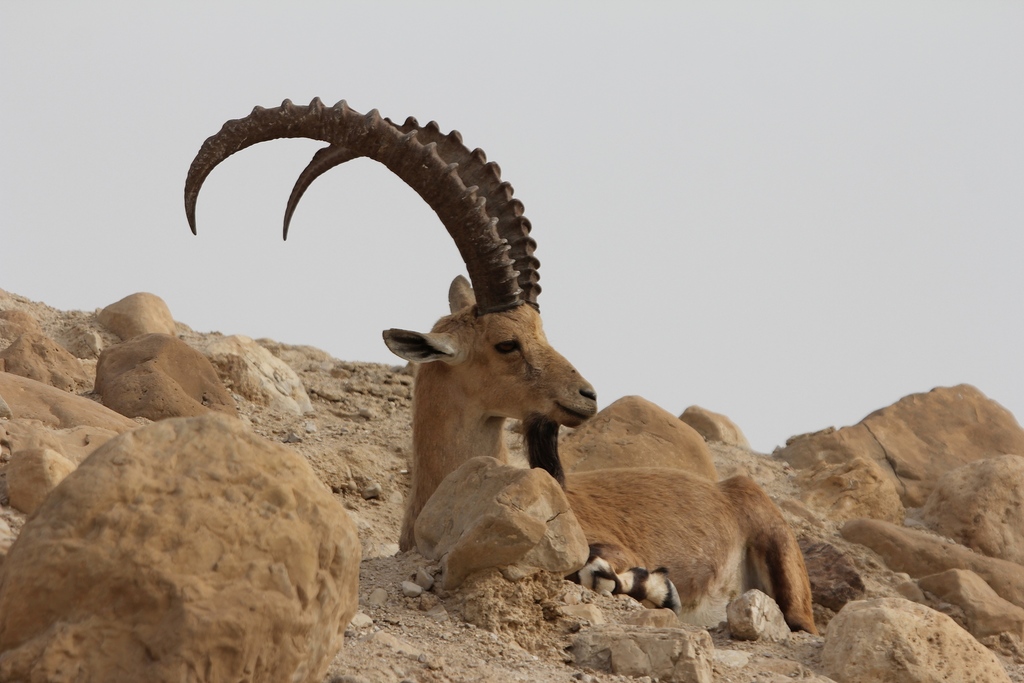
Nubian ibex navigate sheer desert cliffs with astonishing agility, using specialized rubbery hoof pads to grip near-vertical rock faces while foraging for sparse foliage. Males carry immense, backward-sweeping horns that can reach over a meter in length, clashing head-to-head in dramatic autumn rutting battles for breeding rights. To survive scorching temperatures in dry mountain canyons, herds rest in shaded alcoves during the midday heat and gather around remote water sources at dawn.
DesertMountainHerbivore
 1 / 7
1 / 7—observations
—countries
—peak records
VulnerableConservation statusIUCN Red List categoriesLCNTVUENCREWEXVulnerableRed List categories, explained →
Diet & prey
- Acacia leaves
- Desert grasses
- Low shrubs
Predators
- Arabian Leopard
- Arabian Wolf
- Golden Eagle
ThreatsPoaching, habitat destruction, water scarcity, and competition with domestic livestock
HabitatsArid mountains, rocky canyons, steep cliffs, and desert wadis
Life span10–17 years
Size / weightNot available
Classification
- OrderArtiodactyla
- FamilyBovidae
- GenusCapra
- SpeciesCapra nubiana
Range data is not available yet.
Interaction riskHigh
- Low
- Moderate
- High
- Very high
- Why interaction risk is high
- Keep a respectful distance, particularly during the autumn mating season when males become territorial.
- What to notice
- Look for a light-brown wild goat with black and white markings on the legs and large, ridged, backward-curved horns on males.
- Support conservation
- Observe from a distance using long optics to avoid startling herds into dangerous falls or pushing them away from vital water sources.
Responsible observation
- Cliff Scanning: Use binoculars to search steep rock faces and wadi walls during early morning hours.
- Waterhole Distance: Position yourself downwind and well away from desert springs where herds drink at dawn.
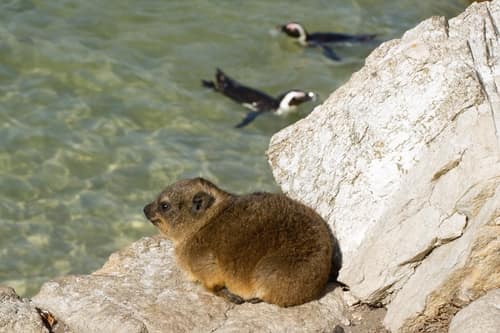
Frequent Companion (c) dhfischer, some rights reserved (CC BY) · cc-by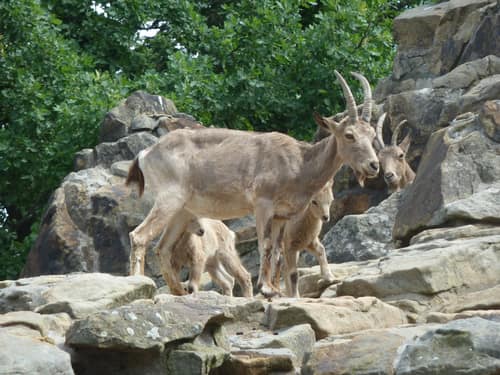
Close Relative (c) Paul Morris, some rights reserved (CC BY-SA) · cc-by-sa
Keep collecting in Fauna
Found in Collections
Ecosystem chain Pro
Alpine Heights
Nubian Ibex is found in this collection. Identify it in Fauna to fill this slot and continue your progress.
Unlock to track progress
Help improve the field guideSomething wrong?
Checking your Fauna account…Report a name, category, or profile issue for review.