
Mammal · GBIF taxon 2441046
Himalayan Takin
Budorcas taxicolorAlso known as Cattle Chamois, Gnu Goat
Himalayan takins secrete an oily, pungent substance across their entire coat that acts as a natural waterproof raincoat in misty mountain climates. These massive bovid thicket-dwellers move seasonally, ascending to high alpine pastures in summer and descending to forested valleys during winter. Solitary older bulls and family herds use powerful necks and stout horns to snap young trees and feed on dense foliage.
High AltitudeHerbivoreAlpine
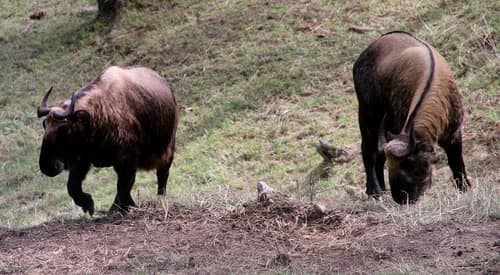
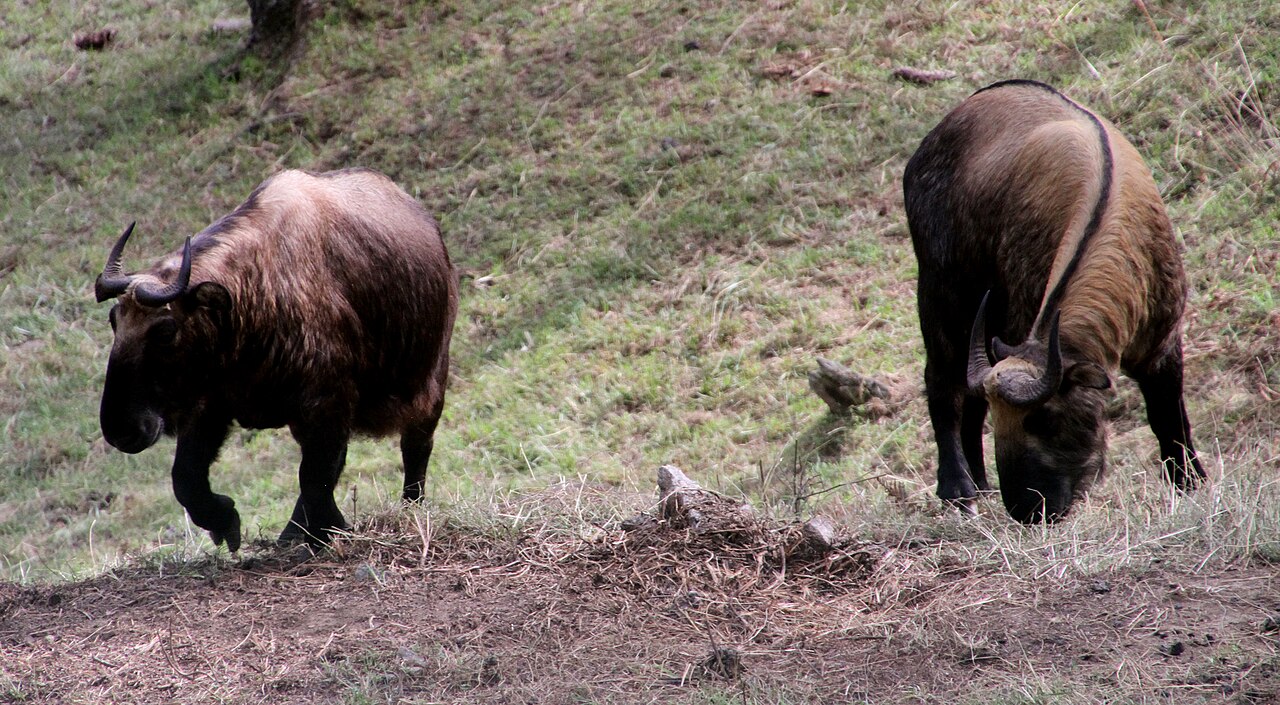
Licensed referenceGerd Eichmann / CC BY-SA 4.0 · cc-by-sa
—observations
—countries
—peak records
VulnerableConservation statusIUCN Red List categoriesLCNTVUENCREWEXVulnerableRed List categories, explained →
Diet & prey
- Bamboo Shoots
- Rhododendron Leaves
- Alpine Grasses
Predators
- Snow Leopard
- Dhole
- Asiatic Black Bear
ThreatsHabitat loss, forest fragmentation, and illegal hunting
HabitatsSubalpine bamboo thickets, temperate forests, and high alpine meadows
Life span12–16 years in the wild
Classification
- OrderArtiodactyla
- FamilyBovidae
- GenusBudorcas
- SpeciesBudorcas taxicolor
Range data is not available yet.
Interaction riskHigh
- Low
- Moderate
- High
- Very high
- Why interaction risk is high
- Solitary males can be aggressive; keep a clear, safe distance when observing in the wild.
- Why it is dangerous
- Takins are massive, heavy ungulates with sharp horns capable of charging and goring humans when startled or cornered.
- How to recognize a risky encounter
- Look for a stocky, cow-like frame with dark or golden-brown fur and swept-back horns.
- What to do
- Stay well back from solitary bulls, especially during the autumn rut, and never block an escape route.
- What to notice
- Recognizable by their bulky profile, sloping back, and preference for steep, misty thickets.
- Support conservation
- Maintain a respectful distance to avoid disturbing feeding herds or disrupting seasonal migrations.
Responsible observation
- Observe from afar: Use binoculars or a spotting scope to watch herds without causing stress or a defensive charge.
- Watch seasonal trails: Look for trampled bamboo paths along steep ridges, which indicate active migration corridors.
Co-inhabitant no rights reserved · cc0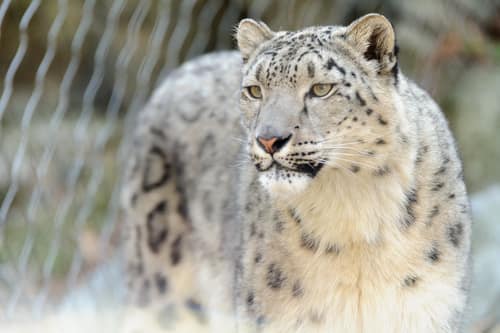
Predator "Snow Leopard from the Side" by Eric Kilby is licensed under CC BY-SA 2.0. To view a copy of this license, visit https://creativecommons.org/licenses/by-sa/2.0/. · cc-by-sa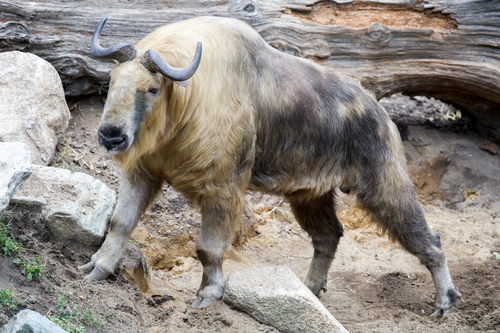
Close Relative (c) Eric Kilby, some rights reserved (CC BY-SA) · cc-by-sa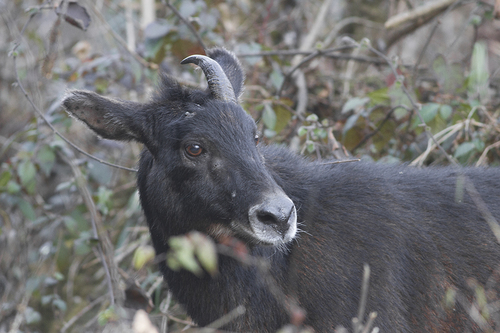
Close Relative (c) Dibyendu Ash, some rights reserved (CC BY-SA) · cc-by-sa
Help improve the field guideSomething wrong?
Checking your Fauna account…Report a name, category, or profile issue for review.