
Mammal
Bluebuck
Hippotragus leucophaeusAlso known as Blue Antelope, Blaauwbok
Bluebucks were specialized grazing antelopes endemic to the southern coastal plains of South Africa, famous for historical reports of a bluish sheen to their pelage created by an interplay of black and yellow hairs. They formed small, tightly bound maternal herds that relied on nutrient-rich perennial grasses within the winter-rainfall renosterveld and coastal grasslands. Intense habitat competition with introduced livestock and unrestrained European firearm hunting drove them to extinction around 1800, making them the first large African mammal to vanish in historical times.
HerbivoreGrazer
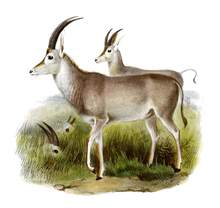
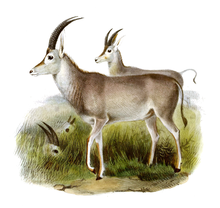
—observations
—countries
—peak records
ExtinctConservation statusIUCN Red List categoriesLCNTVUENCREWEXExtinctRed List categories, explained →
Diet & preySelective grazer feeding primarily on native perennial grasses
Predators
- Lion
- Spotted Hyena
- Leopard
ThreatsOverhunting, competition with domestic livestock, and habitat fragmentation
HabitatsCoastal renosterveld, open grasslands, and shrublands
Life span15–18 years (estimated based on close relatives)
Classification
- OrderArtiodactyla
- FamilyBovidae
- GenusHippotragus
- SpeciesHippotragus leucophaeus
Range data is not available yet.
Interaction riskHigh
- Low
- Moderate
- High
- Very high
- Why interaction risk is high
- Safe to observe at a normal distance.
Responsible observation
- Museum Collections: Study the handful of preserved historical mounts in Vienna, Stockholm, Paris, and Leiden.
- Archaeological Records: Look for fossilized teeth and bone fragments in coastal South African cave sites.
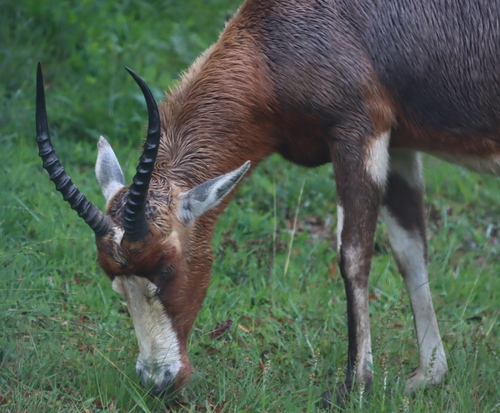
Historical Neighbor (c) Tony Rebelo, some rights reserved (CC BY-SA), uploaded by Tony Rebelo · cc-by-sa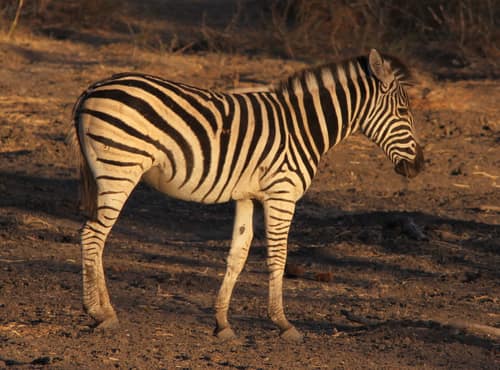
Historical Neighbor "Plains Zebra, Equus quagga at sunset in Mapungubwe" by Derek Keats is licensed under CC BY 2.0. To view a copy of this license, visit https://creativecommons.org/licenses/by/2.0/. · cc-by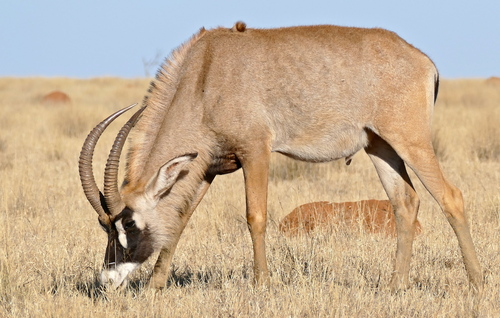
Close Relative (c) Bernard DUPONT, some rights reserved (CC BY-SA) · cc-by-sa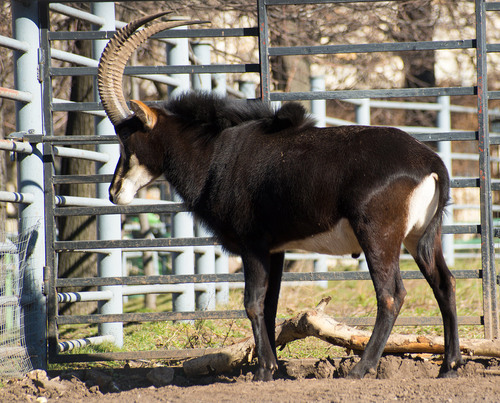
Close Relative (c) Rigelus, some rights reserved (CC BY-SA) · cc-by-sa
Help improve the field guideSomething wrong?
Checking your Fauna account…Report a name, category, or profile issue for review.