
Mammal
Banteng
Bos javanicusAlso known as Tembadau
Banteng are sleek wild bovines celebrated for dramatic sexual dimorphism, where adult bulls darken to deep chocolate-brown or black while cows and juveniles retain a warm chestnut-buff coat. Both sexes bear distinctive white stockings on their lower legs and a crisp white circular patch across the rump. Living in small matriarchal herds, they spend the twilight hours grazing open grasslands before retreating into dense forest cover to ruminate and escape midday heat.
HerbivoreHornedSocial
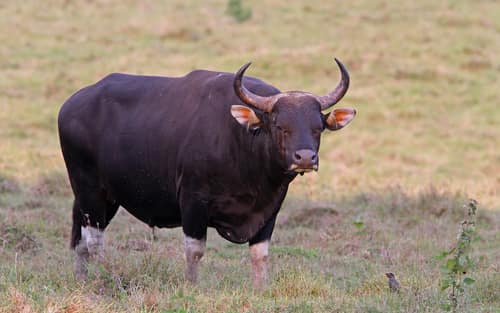
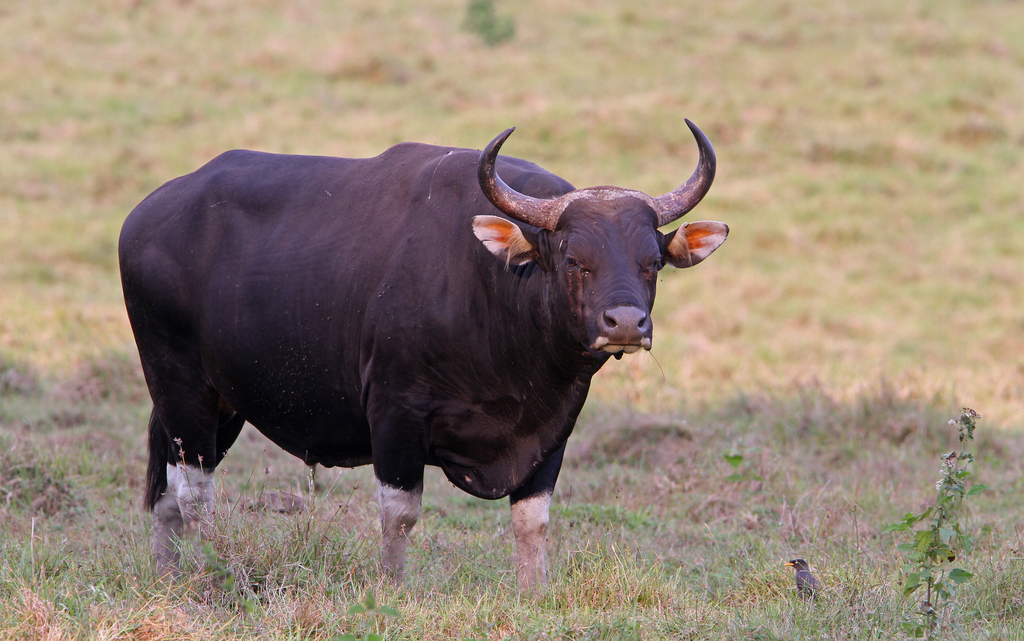
—observations
—countries
—peak records
Critically EndangeredConservation statusIUCN Red List categoriesLCNTVUENCREWEXCritically EndangeredRed List categories, explained →
Diet & preyGrasses, Bamboo shoots, Fallen fruits
Predators
- Dhole
- Tiger
- Leopard
ThreatsHabitat fragmentation, trophy hunting, poaching for wild meat, and disease from domestic livestock
HabitatsDeciduous dipterocarp forests, open grasslands, and coastal woodlands
Life span15–20 years in the wild; up to 26 years in captivity
Classification
- OrderArtiodactyla
- FamilyBovidae
- GenusBos
- SpeciesBos javanicus
Range data is not available yet.
Interaction riskHigh
- Low
- Moderate
- High
- Very high
- Why interaction risk is high
- Powerful wild cattle that can charge when threatened; observe quietly from a safe distance or vehicle.
- Why it is dangerous
- Weighing up to 900 kilograms with sharp, upward-curving horns, a defensive cow or territorial bull can charge with bone-crushing force.
- How to recognize a risky encounter
- Recognizable by the stocky bovine profile, bright white stockings on all four limbs, and an oval white rump patch.
- What to do
- Never approach on foot or block escape routes; observe strictly from vehicles or elevated watch towers.
- What to notice
- Differs from domestic cattle by more slender limbs, sharp horn curvature, and clean, uniform wild pelage patterns.
- Support conservation
- Adhere strictly to park boundaries, avoid disturbing salt licks or waterholes, and keep noise to an absolute minimum.
Responsible observation
- Keep Distance: Maintain at least 50 meters, especially when calves or dominant bulls are visible.
- Watch the Herd: Notice the clear color split between dark bulls and reddish-brown cows.
- Listen for Alerts: A sharp whistle or snort indicates the herd has detected danger and may bolt.
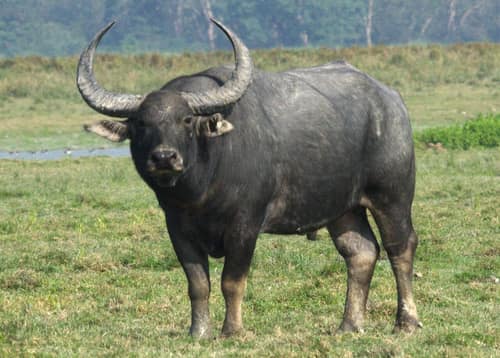
Competitor Dr. Raju Kasambe / CC BY-SA 4.0 · cc-by-sa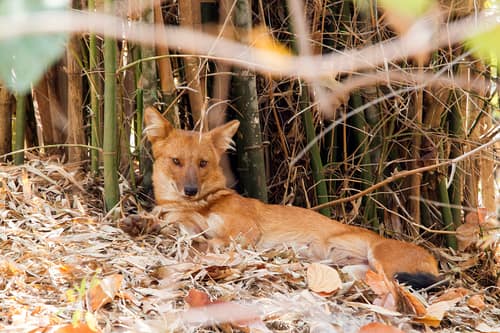
Predator (c) Ramesh Shenai Jr., some rights reserved (CC BY), uploaded by Ramesh Shenai Jr. · cc-by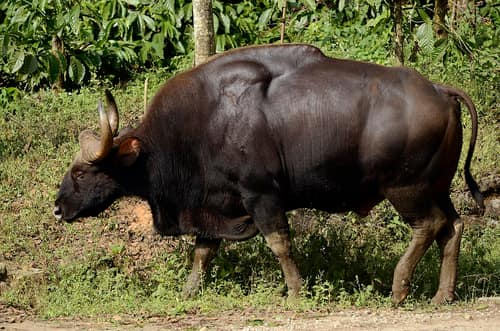
Close Relative PJeganathan / CC BY-SA 4.0 · cc-by-sa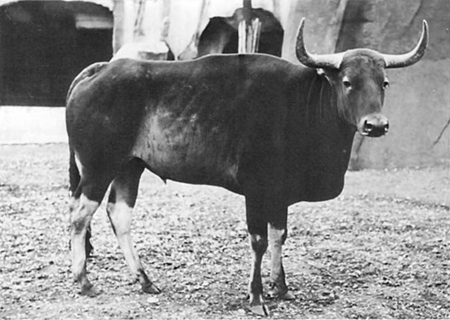
Close Relative (c) vivtony00, some rights reserved (CC BY) · cc-by
Help improve the field guideSomething wrong?
Checking your Fauna account…Report a name, category, or profile issue for review.