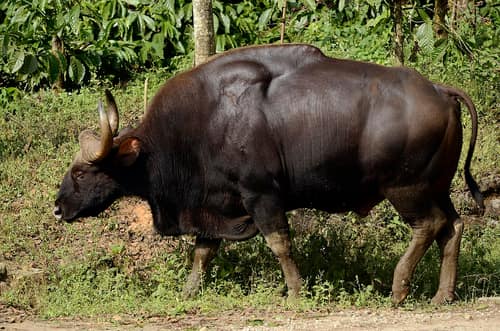
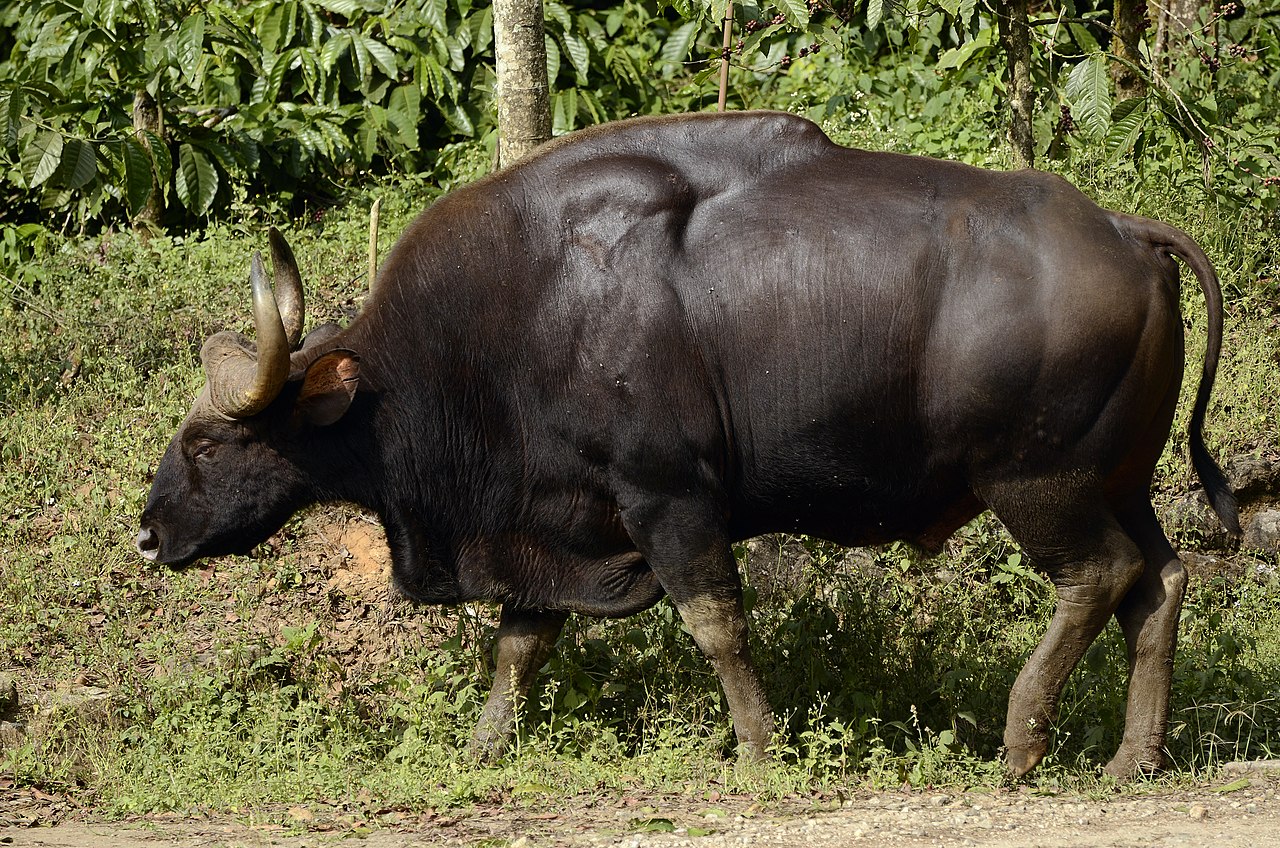
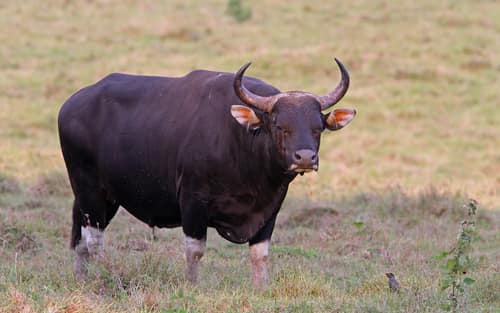
Towering over two meters at the shoulder, gaur are formidable forest cattle whose dominant bulls emit resonant, bugle-like mating calls across hilly jungle valleys. Small maternal herds travel quietly along forested edges to graze on bamboo shoots and tender grasses, relying on keen hearing and smell to detect danger. Despite their colossal strength, these peaceful giants prefer to retreat into dense bamboo thickets rather than confront intruders.
Diet & preyGrasses, bamboo shoots, herbs, tree leaves, bark, and fallen fruits
Predators
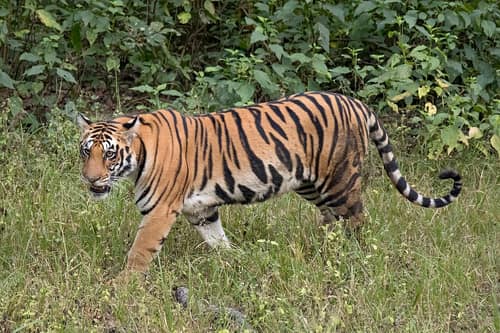
Bengal Tiger
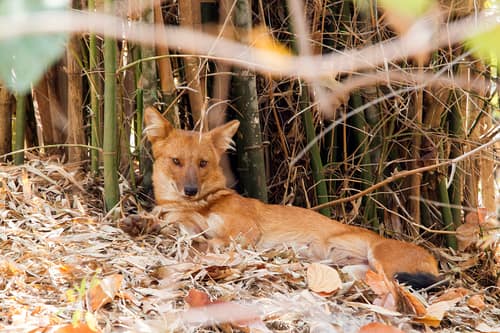
Dhole
Saltwater Crocodile
ThreatsHabitat fragmentation, poaching, and disease transmission from domestic cattle
HabitatsEvergreen and deciduous tropical forests, hilly woodlands, and grasslands
Life span20–30 years
Classification
OrderArtiodactyla
FamilyBovidae
GenusBos
SpeciesBos gaurus
Range & activity
Range data is not available yet.
Safe observation
Interaction riskHigh
Low
Moderate
High
Very high
Why interaction risk is high
Massive wild cattle capable of deadly charges if surprised; maintain a wide distance.
Why it is dangerous
Their sheer weight and sweeping curved horns enable crushing charges that can easily flip vehicles or inflict lethal blunt-force and puncture injuries.
How to recognize a risky encounter
Look for high muscular dorsal ridges, dark slate-to-black coats, and white or pale yellow stocking markings on the lower legs.
What to do
Never approach on foot, remain within vehicles during encounters, and reverse slowly without revving the engine if a herd blocks the road.
What to notice
Identify these large herds in protected reserves by their white-stockinged legs and distinctive pale horn crescents.
Support conservation
Stick strictly to designated park routes and avoid cutting off herd movement between grazing patches and natural mineral licks.
Responsible observation
Viewing Distance: Stay inside an enclosed safari vehicle and maintain at least 50 meters of clearance.
Reading Signals: Back away immediately if a bull lowers its head or broadsides to display its massive shoulder ridge.
Quiet Presence: Keep voices down to avoid startling mother cows with young calves.