
Mammal
Aoudad
Ammotragus lerviaAlso known as Barbary Sheep, Waddan, Arwi
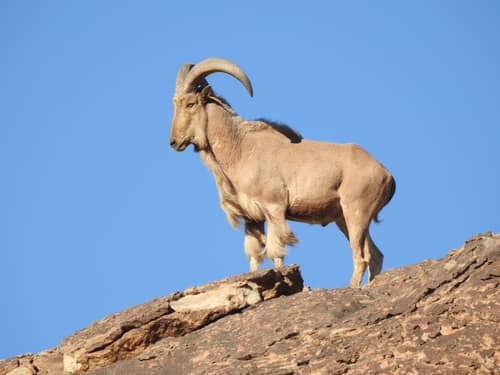
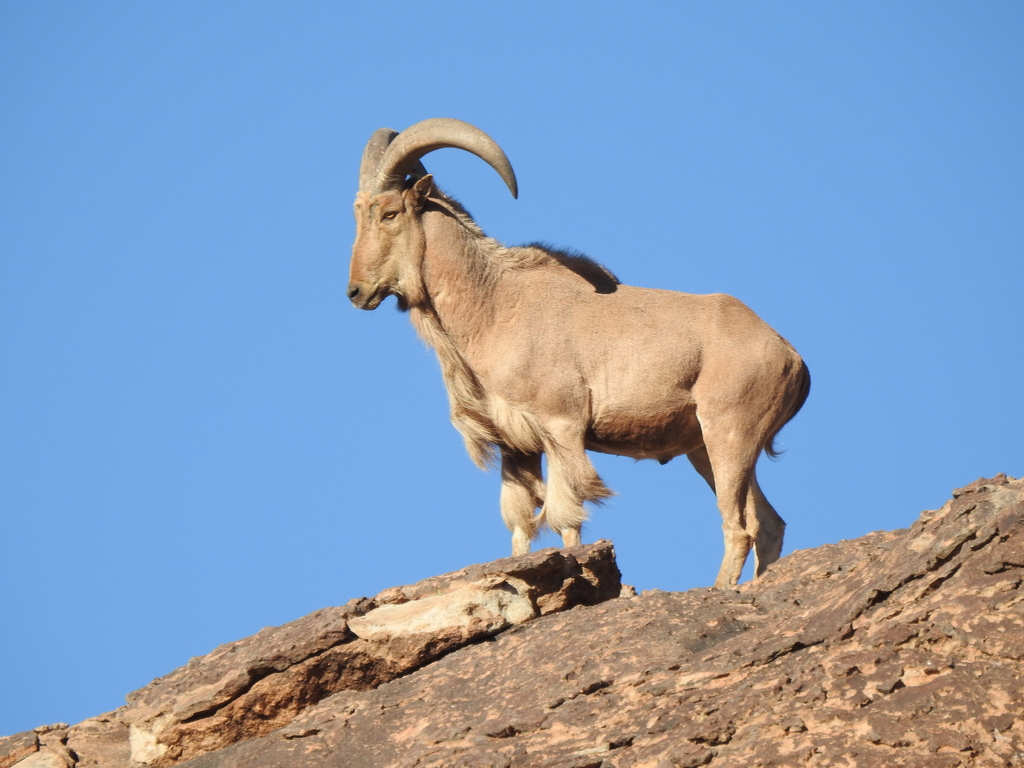
These rugged caprines are renowned for navigating sheer desert precipices with exceptional agility, blending seamlessly against sandstone cliffs with their sandy-brown coats. Males feature a dramatic fringe of long, flowing hair that sweeps from the throat down the chest and onto the forelegs, paired with heavy, backward-curving horns that can exceed eighty centimeters. While thriving as an adaptable introduced game animal across the arid canyons of the American Southwest and southern Europe, their native North African populations face steep declines.
HerbivoreMountain DwellerAgile Climber
—observations
—countries
—peak records
VulnerableConservation statusIUCN Red List categoriesLCNTVUENCREWEXVulnerableRed List categories, explained →
Diet & preyGrasses, forbs, browse, lichen, and acacia foliage
Predators
- Leopard
- Caracal
- Golden Eagle
ThreatsPoaching, habitat degradation, and competition with domestic livestock
HabitatsArid rocky mountains, steep canyons, and desert cliffs
Life span10–15 years in the wild
Classification
- FamilyBovidae
- SpeciesAmmotragus lervia
Range data is not available yet.
Interaction riskHigh
- Low
- Moderate
- High
- Very high
- Why interaction risk is high
- Large rams can charge and butt with powerful horns if cornered; observe from a distance.
- Why it is dangerous
- Mature males weigh up to 145 kilograms and possess thick, sweeping horns capable of inflicting blunt-force trauma if they charge defensively.
- How to recognize a risky encounter
- Look for sandy-brown coats, downward-sweeping chest fringes, and thick semicircular horns curving back over the shoulders.
- What to do
- Maintain a distance of at least 50 meters, avoid cornering them against canyon walls, and retreat slowly if a ram lowers its head.
- What to notice
- Native populations occur exclusively in arid, rugged mountain massifs across northern Africa.
- Support conservation
- Avoid disturbing herds at scarce waterholes or pushing animals across hot, exposed terrain during midday heat.
Responsible observation
- Binoculars First: Scan rocky ledges and ridge lines at dawn and dusk when these animals are actively grazing.
- Maintain Space: Give solitary rams or nursing groups ample room, as males may charge if feeling pressed.
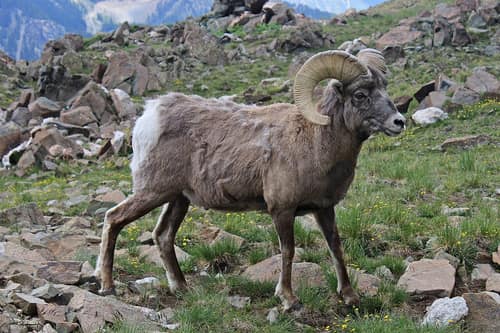
Competitor Jwanamaker / CC BY-SA 3.0 · cc-by-sa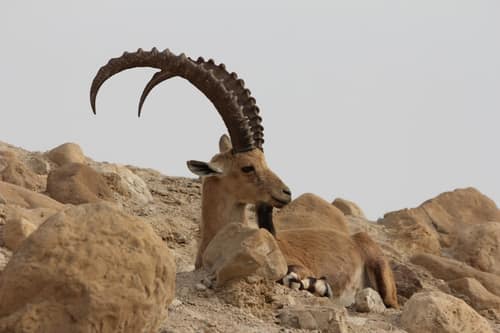
Close Relative (c) Thomas Galewski, some rights reserved (CC BY), uploaded by Thomas Galewski · cc-by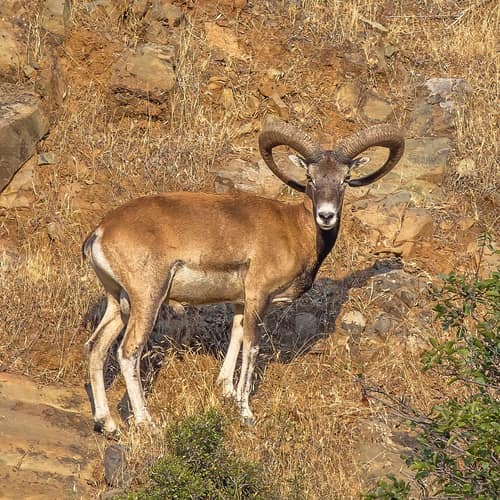
Close Relative Charles J. Sharp / CC BY-SA 4.0 · cc-by-sa
Help improve the field guideSomething wrong?
Checking your Fauna account…Report a name, category, or profile issue for review.