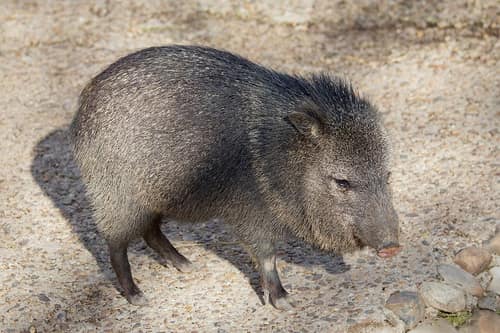
Also known as Senso, Huangana, Cariblanco, Chacafana
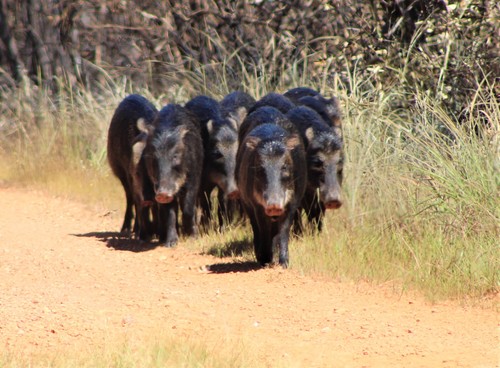
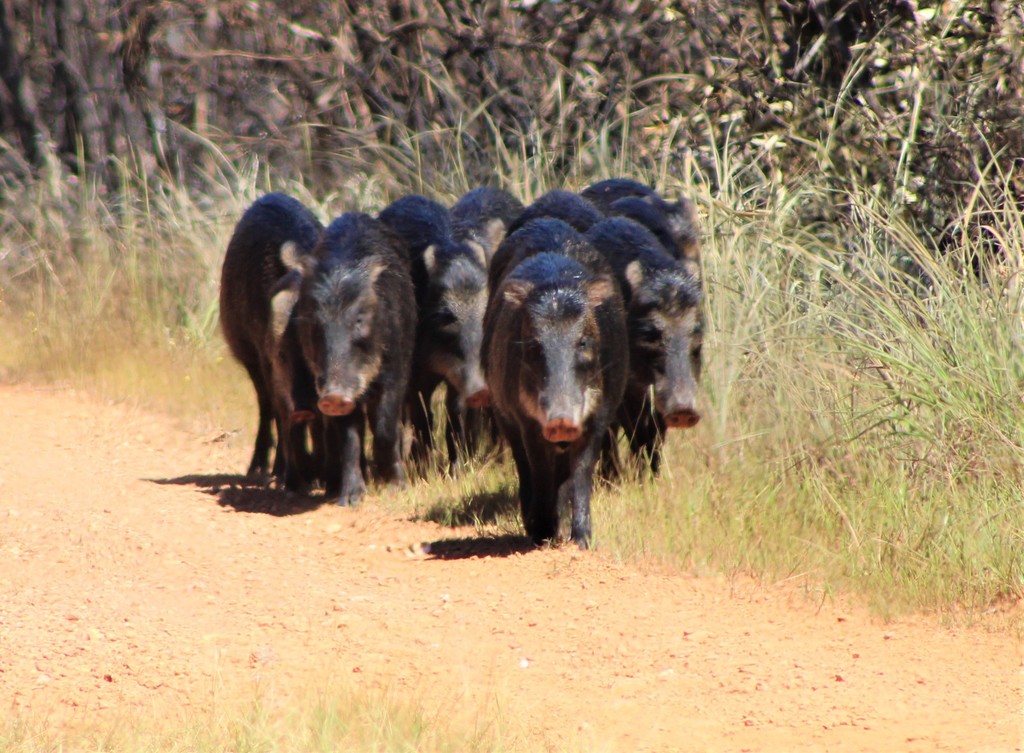
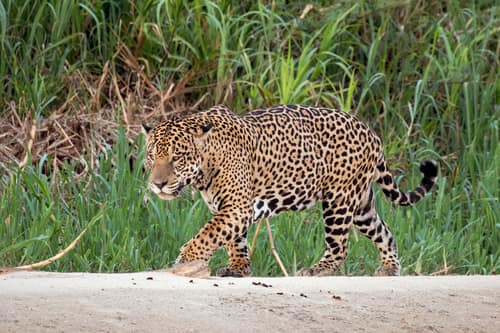
White-lipped peccaries roam Neotropical forests in massive, tightly coordinated herds numbering dozens or even hundreds of individuals. Their powerful jaws can crack open some of the hardest palm nuts in the rainforest, shaping plant diversity and acting as ecosystem engineers across vast landscapes. When threatened, herds produce a collective, intimidating clattering of their tusks, and their aggressive group defense can drive off top apex predators like jaguars.
Large herds can charge defensively and inflict severe lacerations with sharp tusks; maintain distance and never corner them.
Why it is dangerous
Herds actively defend members with coordinated charges, using self-sharpening canine tusks that can inflict deep, disabling puncture wounds and lacerations.
How to recognize a risky encounter
Look for dark coarse bristles, heavy bodies, and a distinct band of white hair running along the lower jaw and lips.
What to do
Do not approach or run; back away smoothly while giving the herd plenty of space, and seek high ground or climb a sturdy tree if charged.
What to notice
Recognizable by the loud snapping sounds of crushed palm nuts, strong musky scent, and large wandering groups in mature forest tracts.
Support conservation
Keep encounters low-impact by observing from trails without chasing or dispersing herds, and report evidence of illegal snaring or poaching.
Responsible observation
Listen for Clattering: A loud clicking or clattering sound indicates jaw-popping aggression and warns intruders to back off.
Give Herds Space: If encountering a herd crossing a trail, stay quiet and wait at a safe distance until they pass.
Avoid Blocking Paths: Never attempt to walk through a feeding group or position yourself between adults and piglets.