
Mammal · GBIF taxon 2440989
Alpine Musk Deer
Moschus chrysogasterAlso known as Golden-bellied Musk Deer, Golden Musk Deer
Alpine musk deer navigate treacherous Himalayan cliffs and subalpine forests on specialized spongy hooves that grant remarkable traction on rocky scree. Unlike true deer, males lack antlers entirely, instead brandishing elongated, saber-like upper canines that grow continuously for territorial combat and display. Solitary and highly secretive, they communicate along steep ridgelines using distinctive latrine sites and pungent secretions from a specialized abdominal musk gland.
High-AltitudeCrepuscularHerbivorous
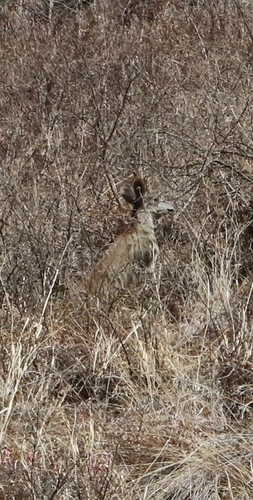
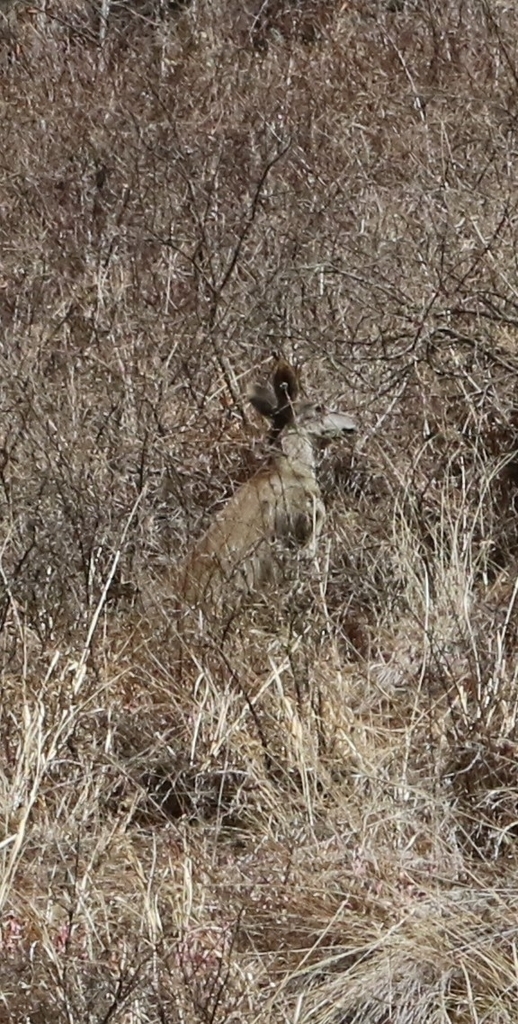
—observations
—countries
—peak records
EndangeredConservation statusIUCN Red List categoriesLCNTVUENCREWEXEndangeredRed List categories, explained →
Diet & prey
- Tree lichens
- Alpine forb shoots
- Rhododendron leaves
Predators
- Snow Leopard
- Gray Wolf
- Red Fox
ThreatsIllegal poaching for the musk trade, habitat fragmentation, and livestock grazing
HabitatsAlpine scrub, montane meadows, and high-elevation coniferous forests
Life span10–14 years
Classification
- FamilyMoschidae
- SpeciesMoschus chrysogaster
Range data is not available yet.
Interaction riskLow
- Low
- Moderate
- High
- Very high
- Why interaction risk is low
- Safe to observe at a distance; an elusive herbivore that flees from human presence.
- What to notice
- Recognizable by its small, arched frame, lack of antlers, oversized ears, and prominent descending canine tusks in males.
- Support conservation
- Maintain vast viewing distances, avoid sharing exact coordinates online, and immediately report wire snare traps to wildlife rangers.
Responsible observation
- Observation distance: Use high-powered spotting scopes from valley trails, as these deer bolt at the first sign of human movement.
- Optimal timing: Scan open alpine clearings and scrub margins during dawn and dusk when individuals emerge to forage.
- Habitat ethics: Stick strictly to designated montane trails to protect fragile alpine moss and lichen beds from erosion.
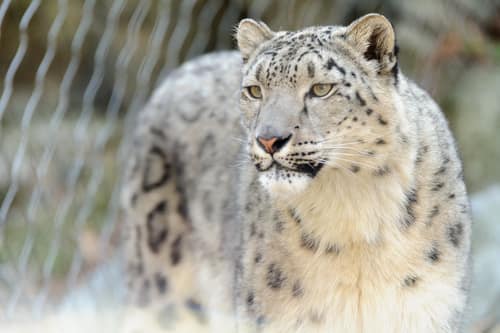
Predator "Snow Leopard from the Side" by Eric Kilby is licensed under CC BY-SA 2.0. To view a copy of this license, visit https://creativecommons.org/licenses/by-sa/2.0/. · cc-by-sa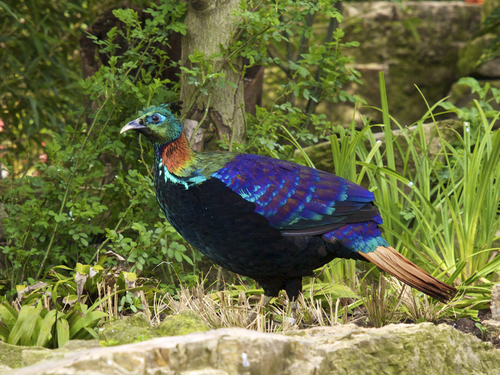
Frequent Companion (c) Jörg Hempel, some rights reserved (CC BY-SA) · cc-by-sa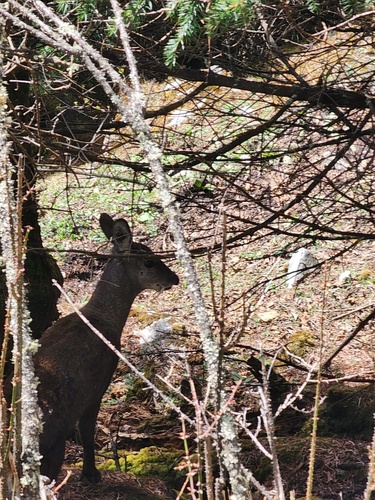
Close Relative (c) Steve Llewellyn, some rights reserved (CC BY) · cc-by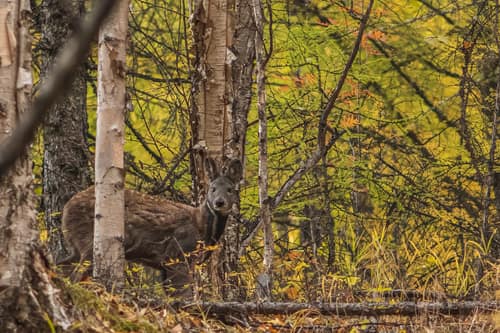
Close Relative (c) Dmitry Ivanov, some rights reserved (CC BY) · cc-by
Help improve the field guideSomething wrong?
Checking your Fauna account…Report a name, category, or profile issue for review.