
Mammal
Pampas Deer
Ozotoceros bezoarticusAlso known as Veado-campeiro, Gama, Venado de las Pampas
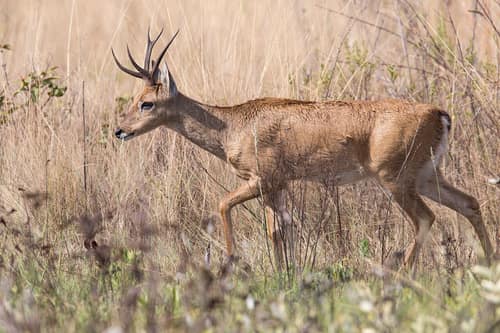
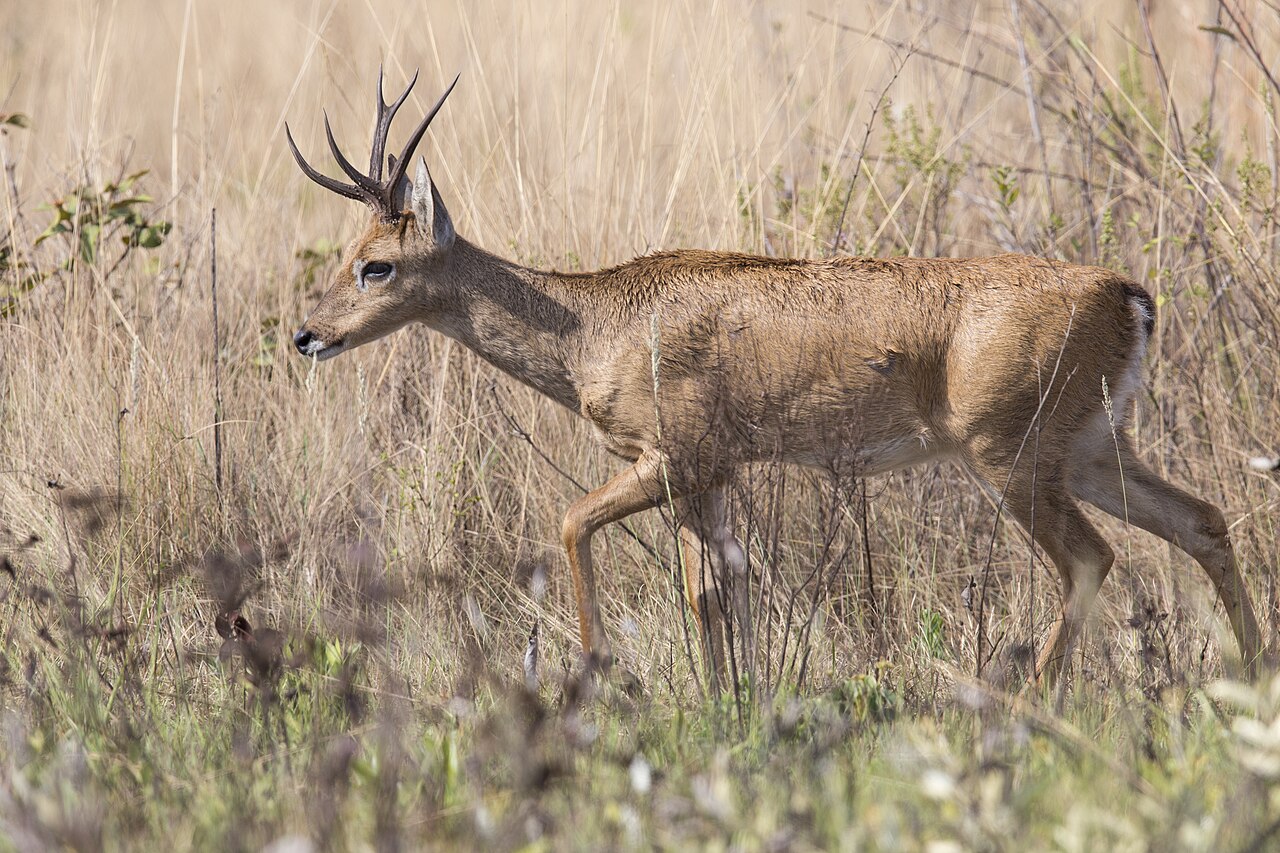
Pampas deer are graceful grassland specialists adapted to the open savannas and floodplains of central South America. Males possess small, three-tined antlers and secrete a pungent, onion-like musky scent from rear-hoof glands used to mark territories and signal to rivals. They typically forage in small loose groups, relying on keen eyesight and sudden bursts of speed through tall prairie grasses to escape predators.
HerbivoreGrasslandDiurnal
—observations
—countries
—peak records
Near ThreatenedConservation statusIUCN Red List categoriesLCNTVUENCREWEXNear ThreatenedRed List categories, explained →
Diet & preyHerbivore (fresh grass shoots, herbs, legumes, wetland foliage)
Predators
- Jaguar
- Puma
- Maned Wolf
ThreatsHabitat conversion to agriculture, competition with livestock, poaching, disease from cattle
HabitatsSavannas, open grasslands, cerrado, seasonally flooded pampas
Life span10–12 years
Classification
- FamilyCervidae
- SpeciesOzotoceros bezoarticus
Range data is not available yet.
Interaction riskLow
- Low
- Moderate
- High
- Very high
- Why interaction risk is low
- Safe to observe at a normal distance.
- What to notice
- Look for a slender, pale reddish-tan deer with white eye rings, white underparts, and three-tined male antlers.
- Support conservation
- Maintain a wide distance to prevent flushing animals across open roads or into cattle fencing.
Responsible observation
- Scanning technique: Scan open savannas at dawn or dusk when deer graze out in the open away from dense brush.
- Distance etiquette: Use binoculars or a long lens, as these shy deer bolt when approached closely on foot.
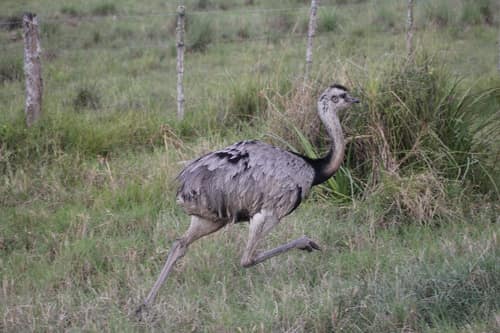
Frequent Companion (c) Romi Galeota Lencina, some rights reserved (CC BY), uploaded by Romi Galeota Lencina · cc-by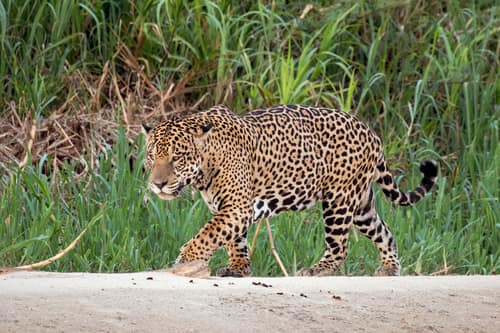
Predator (c) Charles J. Sharp , some rights reserved (CC BY-SA) · cc-by-sa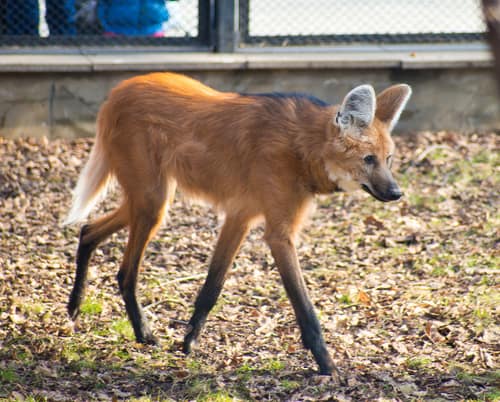
Predator (c) Rigelus, some rights reserved (CC BY-SA) · cc-by-sa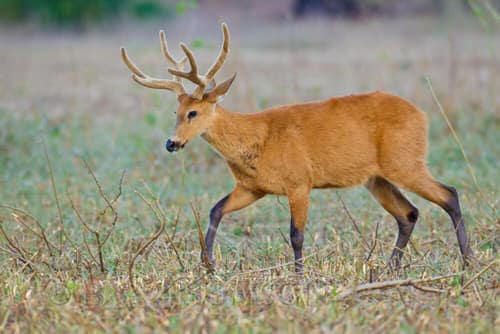
Close Relative (c) Bruce Thomson, some rights reserved (CC BY-SA) · cc-by-sa Image unavailable
Same Family
Help improve the field guideSomething wrong?
Checking your Fauna account…Report a name, category, or profile issue for review.