
Mammal
White-tailed Deer
Odocoileus virginianusAlso known as Whitetail, Virginia Deer
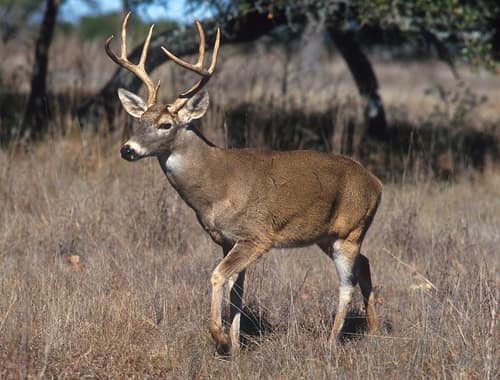
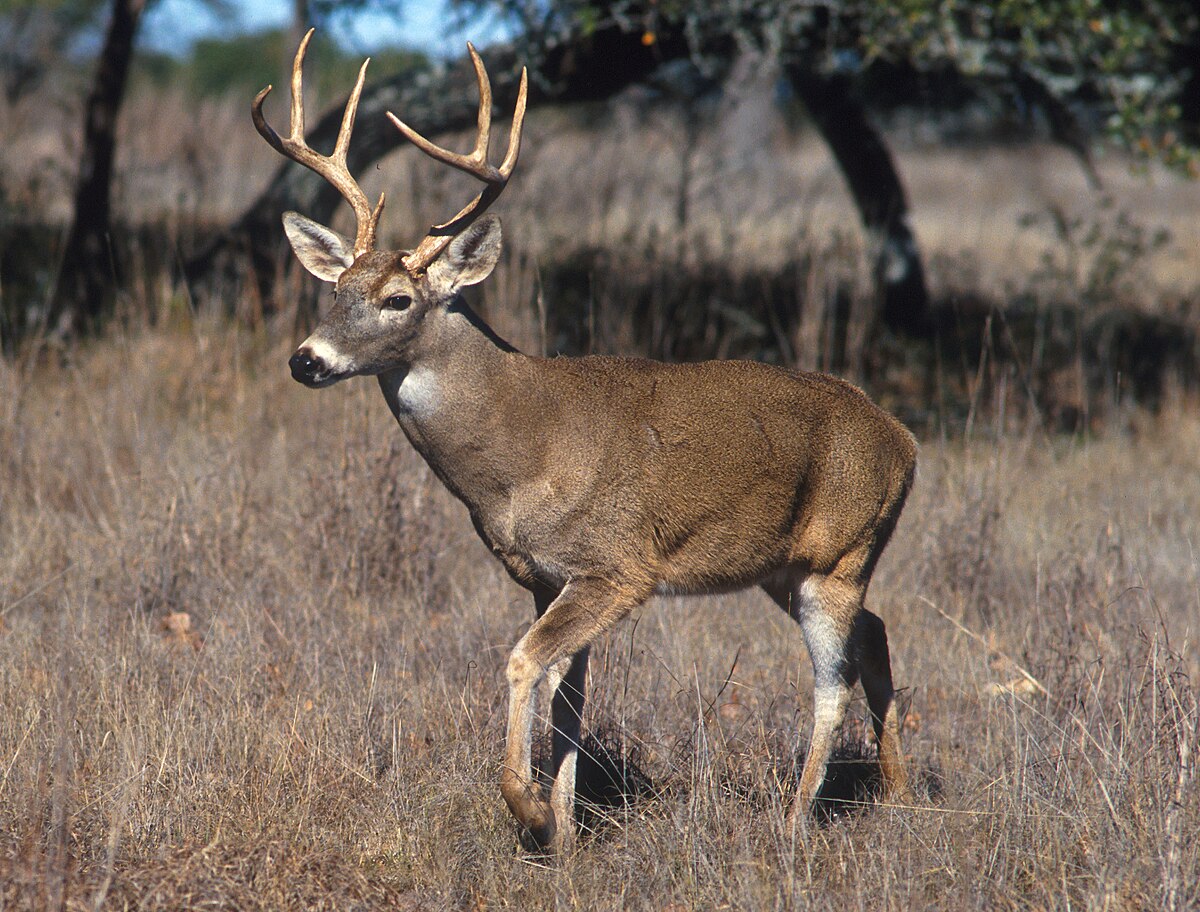
White-tailed deer navigate brushy forest edges and suburban parklands with effortless agility, raising their namesake tail like a bright white flag when startled. Crepuscular by nature, these graceful ungulates browse on a diverse menu of twigs, acorns, and green leaves while maintaining complex social groups led by experienced does. During the autumn rut, males clash antlers to establish dominance, filling woodland corridors with deep grunts and thrashing sounds.
MammalHerbivoreCrepuscular
—observations
—countries
—peak records
Least ConcernConservation statusIUCN Red List categoriesLCNTVUENCREWEXLeast ConcernRed List categories, explained →
Diet & preyAcorns, Tree foliage, Woody twigs
Predators
- Cougar
- Gray Wolf
- Coyote
ThreatsVehicle collisions, Chronic Wasting Disease, habitat fragmentation, overhunting
HabitatsDeciduous forests, forest edges, prairies, swamps, suburban areas
Life span6–10 years in the wild
Classification
- OrderArtiodactyla
- FamilyCervidae
- GenusOdocoileus
- SpeciesOdocoileus virginianus
Native Introduced
Native range in olive; established introduced range in rust.
Interaction riskHigh
- Low
- Moderate
- High
- Very high
- Why interaction risk is high
- Can act aggressively when defending fawns or during rut, and hosts ticks; observe safely from a distance.
- Why it is dangerous
- Bucks during the autumn rut and does guarding fawns can charge or kick, and deer harbor ticks carrying pathogens like Lyme disease.
- How to recognize a risky encounter
- Look for the white underside of the tail raised when alarmed, reddish-brown summer coat, and branched antlers on bucks.
- What to do
- Maintain a safe distance, never approach wild deer or hidden fawns, and check for ticks after walking in brush.
Responsible observation
- Safe Distance: Keep a respectful distance, especially in autumn during the rut or in spring near fawns.
- Driving Precautions: Scan road shoulders during dawn and dusk when deer actively cross highways.
- Fawn Etiquette: Leave hidden fawns alone, as mothers leave them concealed while foraging nearby.
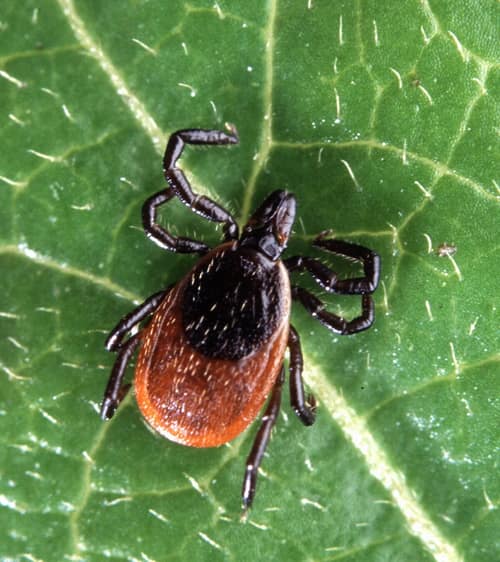
Parasite Photo by Scott Bauer. / Public domain · cc0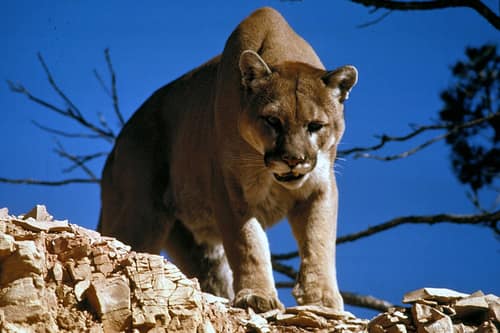
Predator National Park Service / Public domain · cc0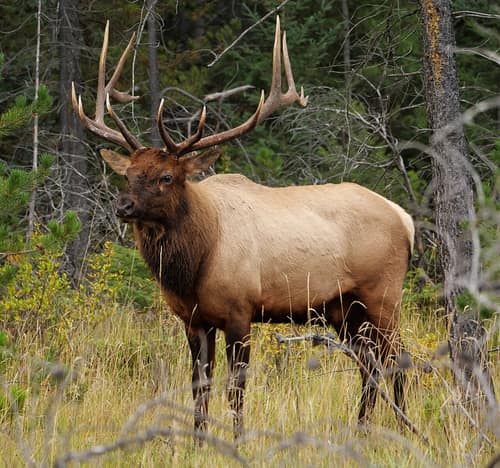
Competitor Membeth / CC0 · cc0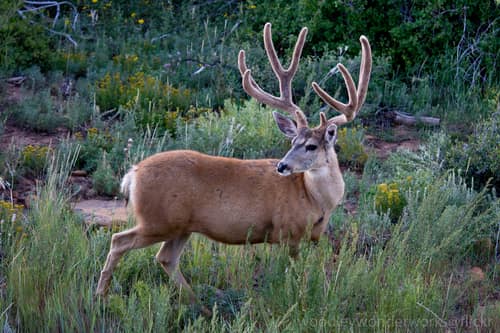
Close Relative "ten point mule deer buck" by woodleywonderworks is licensed under CC BY 2.0. To view a copy of this license, visit https://creativecommons.org/licenses/by/2.0/. · cc-by
Keep collecting in Fauna
Found in Collections
Ecosystem chain
The Forest Floor
White-tailed Deer is found in this collection. Identify it in Fauna to fill this slot and continue your progress.
—/12
Help improve the field guideSomething wrong?
Checking your Fauna account…Report a name, category, or profile issue for review.