
Mammal
Kiang
Equus kiangAlso known as Tibetan Wild Ass, Khyang, Gorkhar
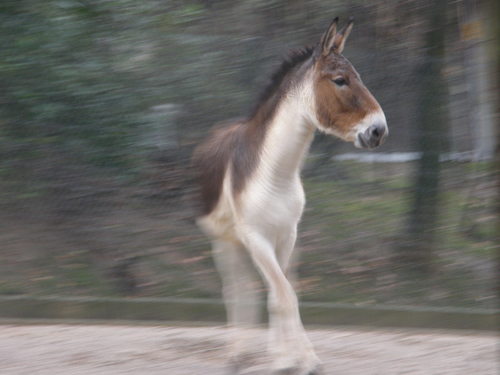
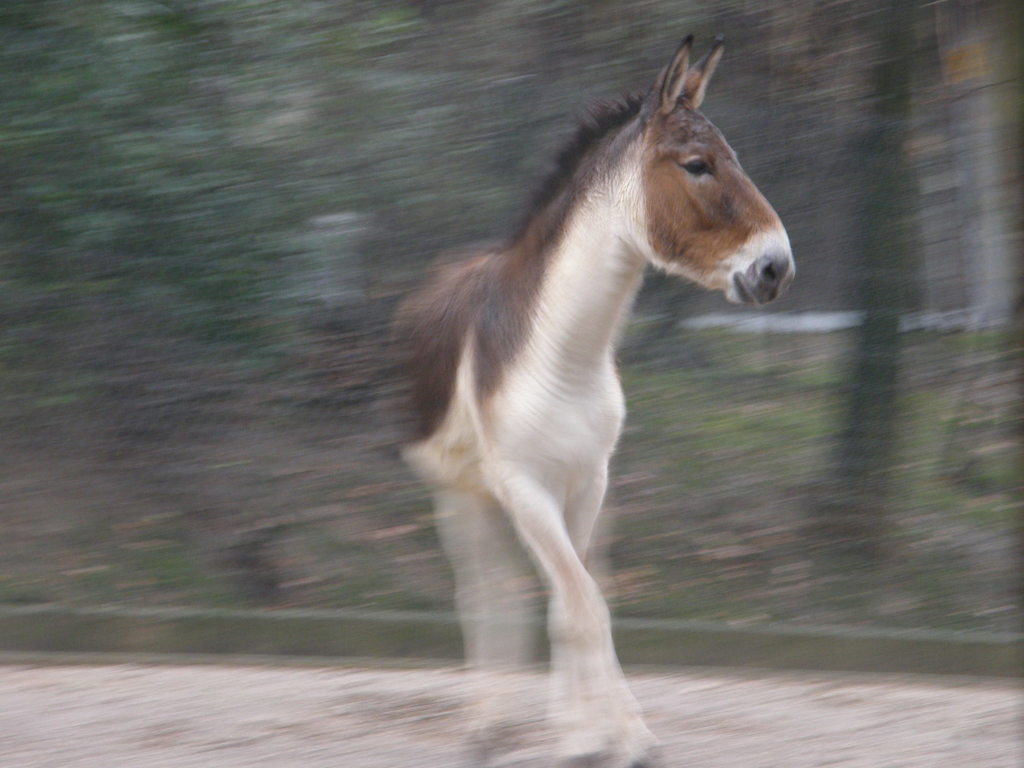
Kiangs roam the high-altitude steppes and valleys of the Tibetan Plateau, moving in dynamic cohesive herds led by experienced matriarchs while adult stallions often lead solitary lives. These powerful wild equids are renowned for their curiosity, frequently trotting in wide circles around unfamiliar vehicles or hikers rather than fleeing immediately. Come winter, they grow remarkably thick, woolly coats that insulate against sub-zero Himalayan blizzards and piercing winds.
AlpineHerbivoreMammal
—observations
—countries
—peak records
Least ConcernConservation statusIUCN Red List categoriesLCNTVUENCREWEXLeast ConcernRed List categories, explained →
Diet & preyStipa Grasses, Kobresia Sedges, Carex Sedges
Predators
- Himalayan Wolf
- Snow Leopard
ThreatsFencing of rangelands, competition with domestic livestock, and habitat fragmentation
HabitatsHigh-altitude alpine meadows, montane steppes, and semi-arid valleys between 2,700 and 5,400 meters
Life span15–20 years in the wild
Classification
- FamilyEquidae
- SpeciesEquus kiang
Range data is not available yet.
Interaction riskHigh
- Low
- Moderate
- High
- Very high
- Why interaction risk is high
- Large wild equid capable of dangerous kicks; keep a respectful distance across open terrain.
- Why it is dangerous
- Weighing up to 400 kg, stallions can deliver bone-breaking kicks and severe bites when defending territory or foals.
- How to recognize a risky encounter
- Look for a robust chestnut-brown equid with a stark white underbelly, dark dorsal stripe, and erect mane.
- What to do
- Never attempt to approach or feed; remain motionless if approached out of curiosity and slowly back away.
Responsible observation
- Observation Distance: Stay inside your vehicle or keep at least 150 meters away when watching herds on foot.
- Binocular Viewing: Use spotting scopes to observe their natural social interactions without causing herd panic.
- Fencing Awareness: Avoid driving herds toward wire fences, which present a deadly hazard to running animals.
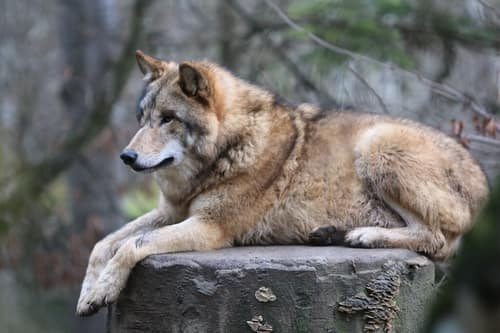
Predator (c) Lutz Fischer-Lamprecht, some rights reserved (CC BY-SA) · cc-by-sa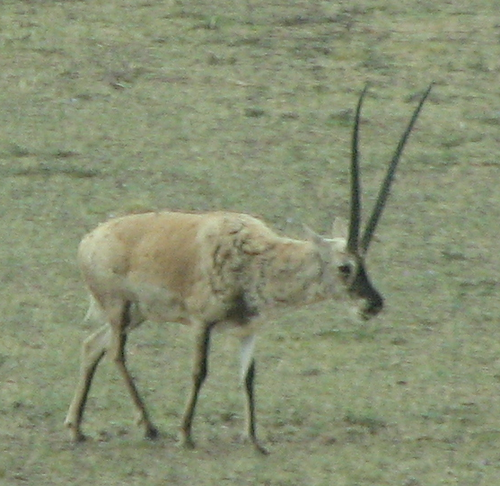
Frequent Companion (c) 6-A04-W96-K38-S41-V38, some rights reserved (CC BY-SA) · cc-by-sa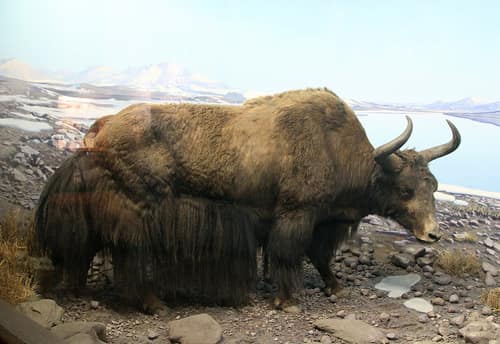
Frequent Companion Jim, the Photographer / CC BY 2.0 · cc-by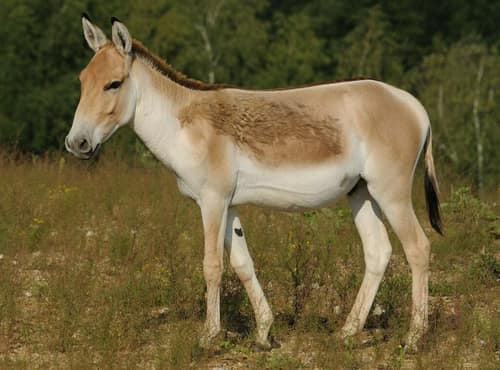
Close Relative (c) Michael Oppermann, some rights reserved (CC BY-SA) · cc-by-sa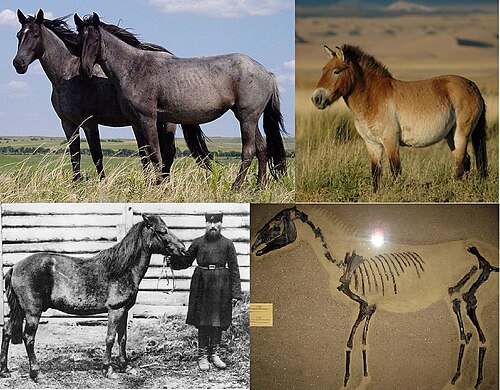
Close Relative Alborzagros / CC BY-SA 4.0 · cc-by-sa
Help improve the field guideSomething wrong?
Checking your Fauna account…Report a name, category, or profile issue for review.