
Mammal · GBIF taxon 2440506
Indian Ocean Humpback Dolphin
Sousa plumbeaAlso known as Plumbeous Dolphin, Indian Humpback Dolphin
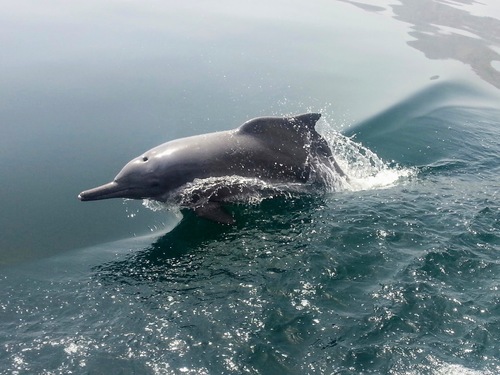
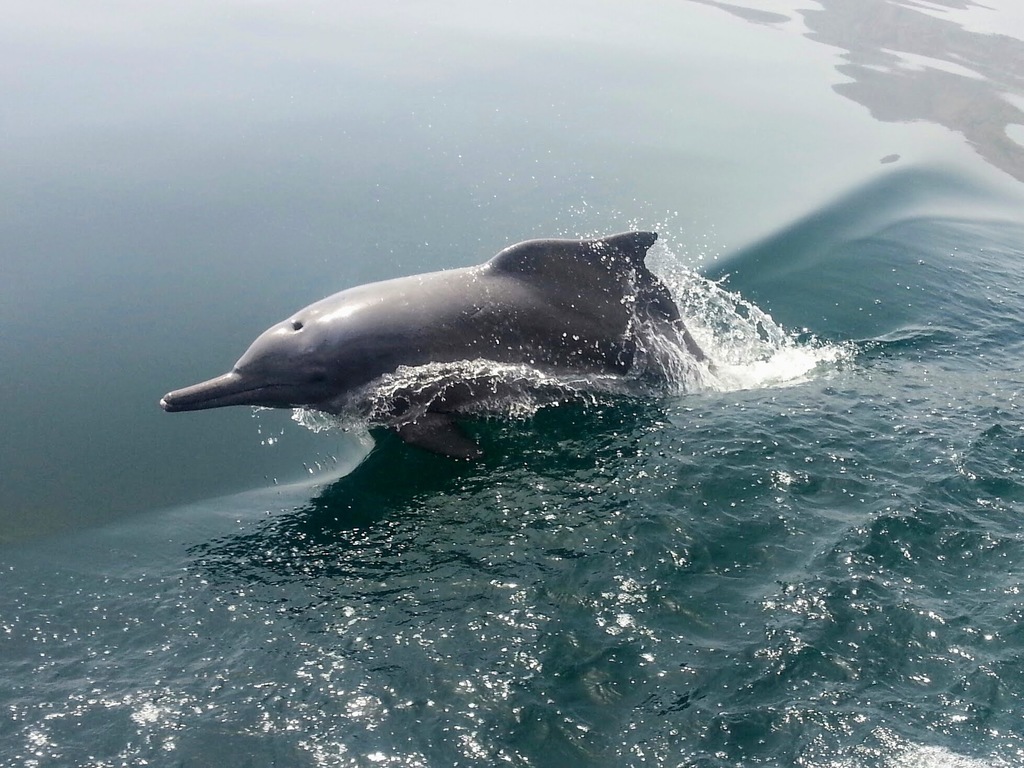
Indian Ocean humpback dolphins patrol extremely shallow coastal waters, estuaries, and bays from South Africa to Indochina. Characterized by a prominent humped base beneath their dorsal fin, these social marine mammals travel in small pods of fewer than ten individuals to hunt near the seabed. Heavy reliance on habitats within a few kilometers of shore brings them into frequent overlap with human coastal activities.
MarineMammalSocial
 1 / 7
1 / 7—observations
—countries
—peak records
EndangeredConservation statusIUCN Red List categoriesLCNTVUENCREWEXEndangeredRed List categories, explained →
Diet & prey
- Mullet
- Croakers
- Squid
Predators
- Sharks
- Killer Whale
ThreatsBycatch in gillnets, coastal development, marine pollution, vessel strikes
HabitatsShallow coastal waters, bays, estuaries, mangrove channels
Life span30–40 years
Size / weightNot available
Classification
- FamilyDelphinidae
- SpeciesSousa plumbea
Range data is not available yet.
Interaction riskLow
- Low
- Moderate
- High
- Very high
- Why interaction risk is low
- Safe to observe from a respectful distance; maintain space to avoid disturbing wild pods.
- What to notice
- Look for a robust grey dolphin with a distinct fatty ridge or hump beneath its dorsal fin in shallow murky water.
- Support conservation
- Give pods wide clearance on boats, cut engines if approached, and never chase or attempt to feed them.
Responsible observation
- Boat Etiquette: Maintain a steady speed and slow down when within 300 meters of a pod.
- Observation Distance: Keep at least 50 meters away to minimize stress on feeding or nursing groups.
- Surfacing Cues: Watch for a slow, rolling surfacing movement displaying the elevated back hump.
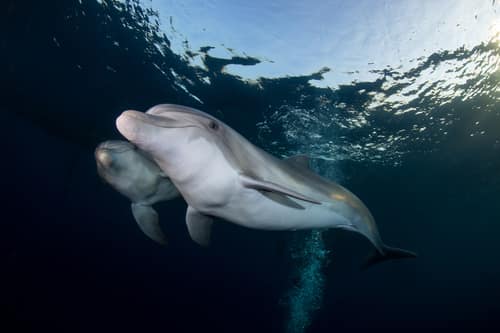
Frequent Companion (c) טל שמע, some rights reserved (CC BY-SA) · cc-by-sa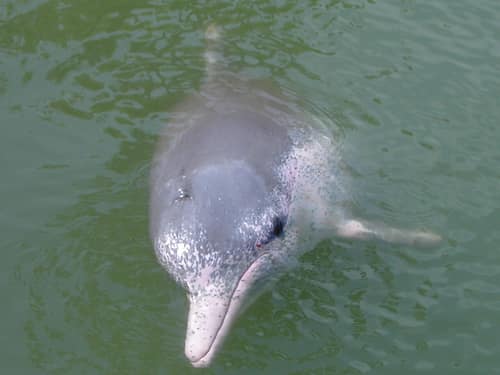
Close Relative user:takoradee / CC BY 2.5 · cc-by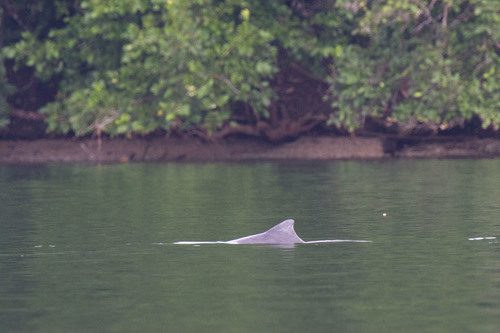
Close Relative (c) Kristof Zyskowski, some rights reserved (CC BY), uploaded by Kristof Zyskowski · cc-by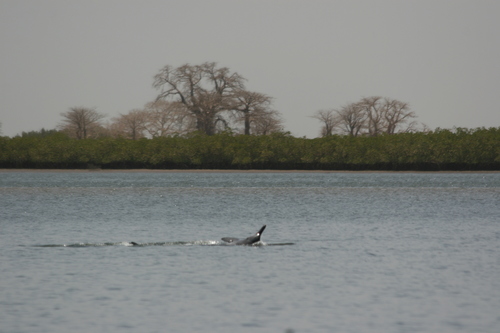
Close Relative (c) Lucy Keith-Diagne, algunos derechos reservados (CC BY), subido por Lucy Keith-Diagne · cc-by
Help improve the field guideSomething wrong?
Checking your Fauna account…Report a name, category, or profile issue for review.