
Mammal · GBIF taxon 2440495
Indo-Pacific Humpback Dolphin
Sousa chinensisAlso known as Chinese White Dolphin, Pacific Humpback Dolphin, Pink Dolphin
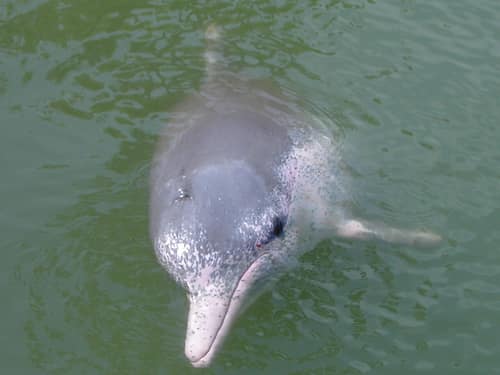
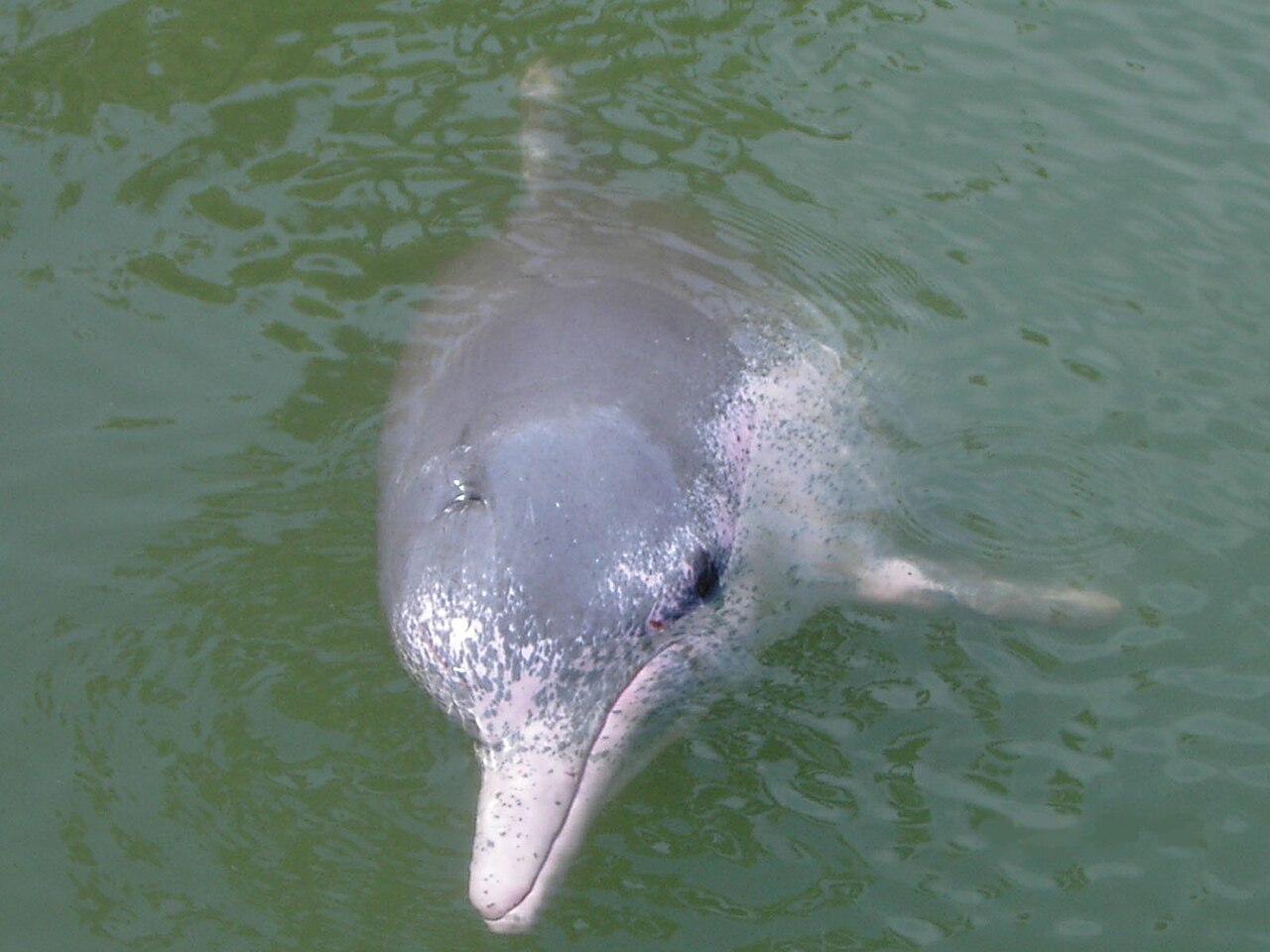
Indo-Pacific humpback dolphins inhabit shallow coastal waters and brackish estuaries across Southeast Asia and southern China. Born dark grey, adults gradually lose pigment as they mature, developing a striking white to bubblegum-pink coloration driven by thermoregulating blood vessels near the skin surface. Pods navigate murky river mouths using precise echolocation to hunt estuarine fish along the seabed.
Marine MammalPink DolphinCoastal
—observations
—countries
—peak records
VulnerableConservation statusIUCN Red List categoriesLCNTVUENCREWEXVulnerableRed List categories, explained →
Diet & prey
- Benthic Fish
- Cephalopods
- Crustaceans
Predators
- Sharks
- Killer Whales
ThreatsCoastal construction, vessel strikes, marine pollution, fishing gear entanglement
HabitatsShallow coastal waters, bays, mangrove channels, estuaries
Life span30–40 years
Size / weightNot available
Classification
- FamilyDelphinidae
- SpeciesSousa chinensis
Range data is not available yet.
Interaction riskLow
- Low
- Moderate
- High
- Very high
- Why interaction risk is low
- Safe to observe from a respectful distance on watercraft.
- What to notice
- Recognizable by a distinct dorsal hump and adult coloration ranging from mottled white to bright pink.
- Support conservation
- Observe strictly from regulated tour vessels and avoid cutting across the path of traveling pods.
Responsible observation
- Keep Distance: Maintain at least 100 meters distance when observing pods from boats.
- Engine Care: Drop speed to idle or neutral if dolphins approach your vessel.
- Avoid Feeding: Never toss food or attempt to swim with wild dolphin pods.
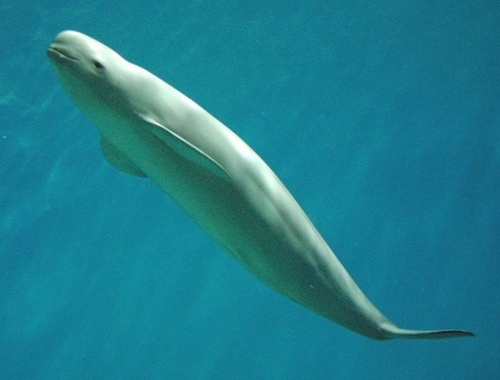
Competitor (c) Cipher01, some rights reserved (CC BY-SA) · cc-by-sa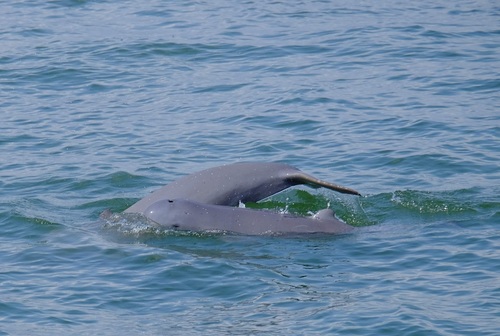
Frequent Companion (c) Long Vu, some rights reserved (CC BY), uploaded by Long Vu · cc-by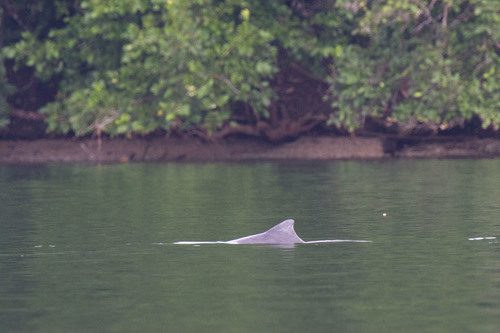
Close Relative (c) Kristof Zyskowski, some rights reserved (CC BY), uploaded by Kristof Zyskowski · cc-by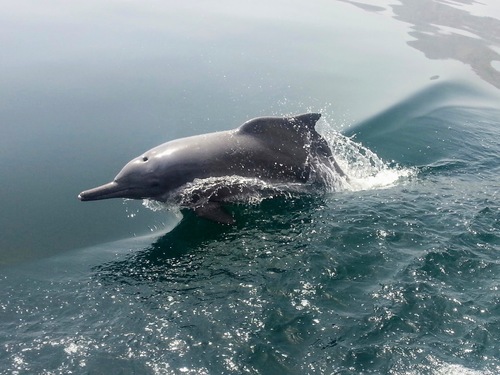
Close Relative (c) pavlaki1968, some rights reserved (CC BY), uploaded by pavlaki1968 · cc-by
Help improve the field guideSomething wrong?
Checking your Fauna account…Report a name, category, or profile issue for review.