
Mammal
Proserpine Rock Wallaby
Petrogale persephoneAlso known as Proserpine Rock-wallaby
Navigating steep boulder piles and dense tropical vine thickets with uncanny agility, these elusive marsupials spend hot days sheltered deep within limestone crevices. At dusk, they emerge onto surrounding forest floors to forage on fallen leaves, fruits, and grasses, using padded feet with textured soles that grip slippery rock surfaces. Confined to a tiny pocket of coastal Queensland, they serve as crucial seed dispersers within their fragile rainforest ecosystem.
NocturnalMarsupial
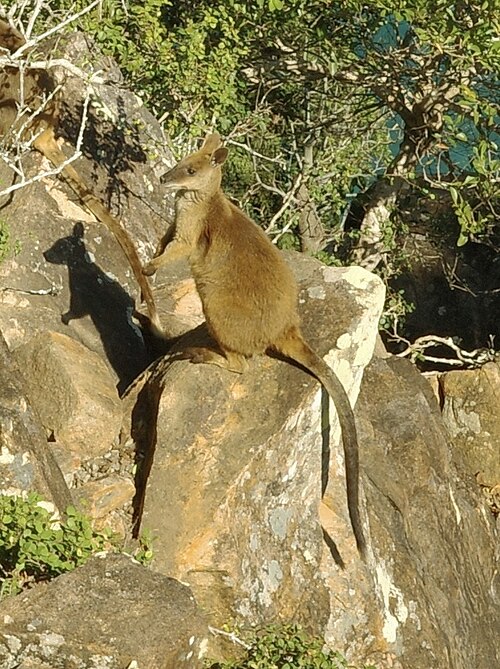
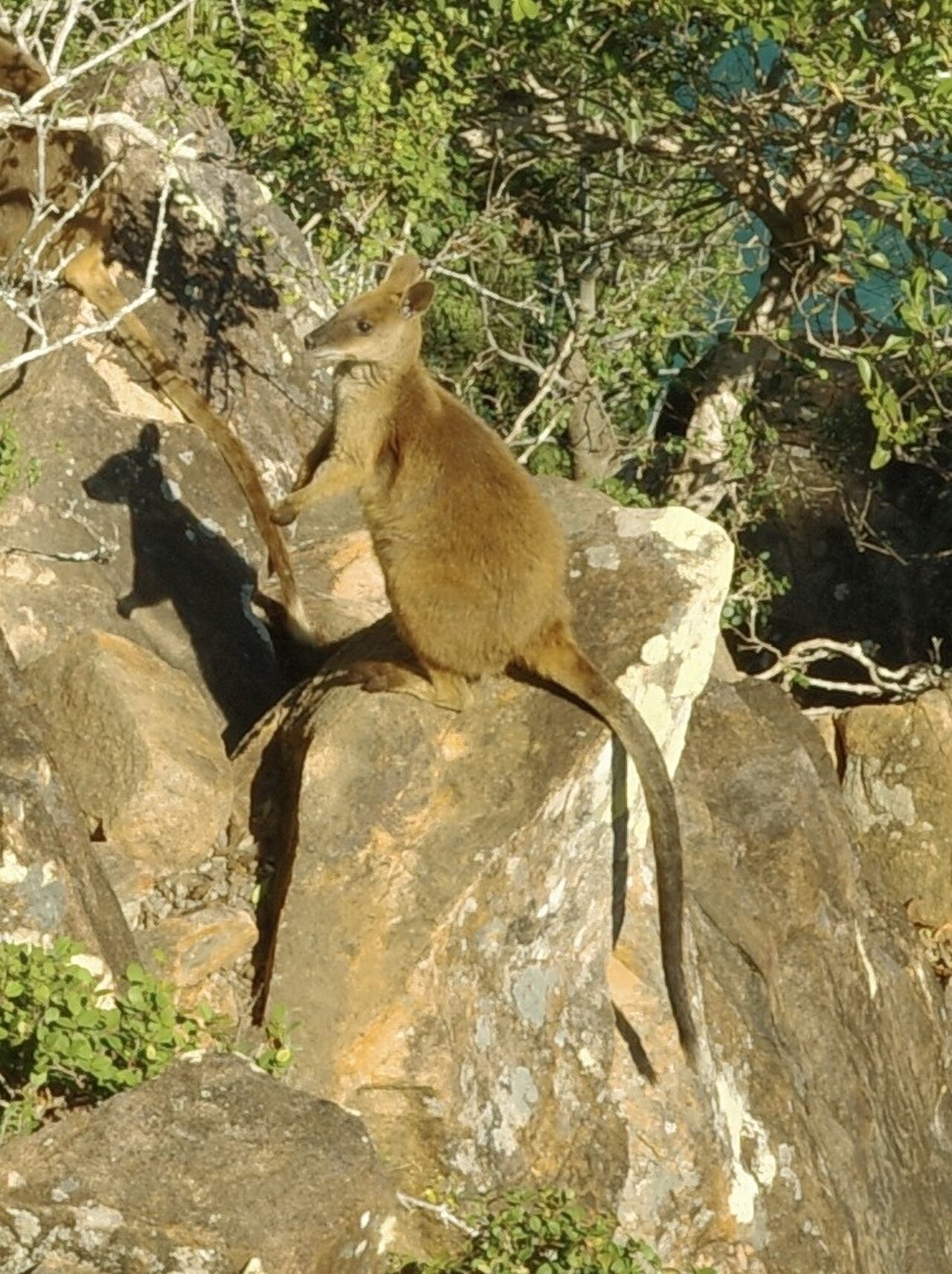
—observations
—countries
—peak records
EndangeredConservation statusIUCN Red List categoriesLCNTVUENCREWEXEndangeredRed List categories, explained →
Diet & preyFallen Leaves, Fungi, Vine Leaves
Predators
- Dingoes
- Feral Cats
- Domestic Dogs
ThreatsHabitat Loss, Vehicle Strikes, Introduced Predators, Toxoplasmosis
HabitatsRocky Outcrops, Tropical Vine Thickets, Rainforest Margins
Life span7–12 years in the wild
Classification
- FamilyMacropodidae
- SpeciesPetrogale persephone
Range data is not available yet.
Interaction riskLow
- Low
- Moderate
- High
- Very high
- Why interaction risk is low
- Wild wallabies can kick or scratch if cornered; observe from a respectful distance.
- What to notice
- Look for a medium wallaby with dark grey-brown fur, a black-tipped tail, and distinct light stripes on its cheeks.
- Support conservation
- Observe strictly from designated park trails, never offer human food, and report injured animals to wildlife rescue.
Responsible observation
- Drive Carefully: Slow down at dawn and dusk along Whitsunday roads to avoid collisions.
- Keep Dogs Leashed: Domestic dogs pose a severe threat; keep pets secured near wallaby habitat.
- Observe Quietly: Maintain a distance of several meters to avoid causing stress or retreat.
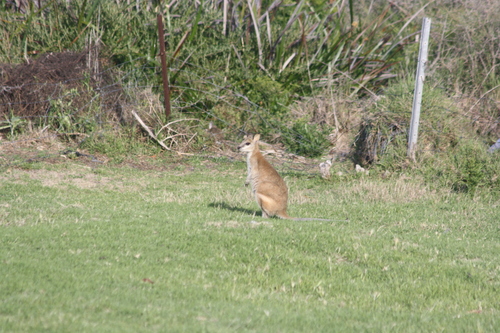
Co-occurring Species (c) Patrick Connolly, some rights reserved (CC BY) · cc-by Image unavailable
Close Relative Close Relative 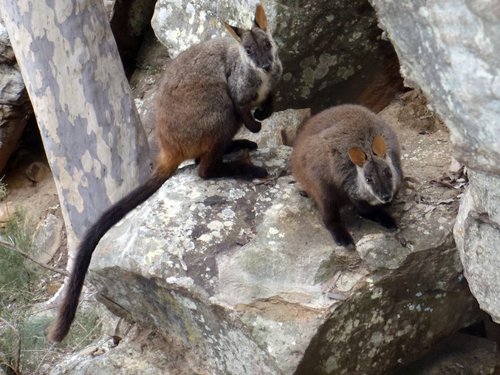
Close Relative (c) Doug Beckers, some rights reserved (CC BY-SA) · cc-by-sa
Help improve the field guideSomething wrong?
Checking your Fauna account…Report a name, category, or profile issue for review.