
Mammal
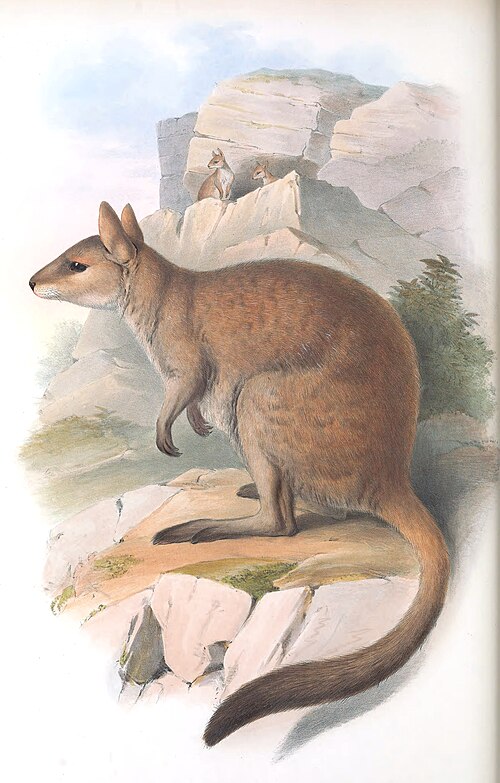
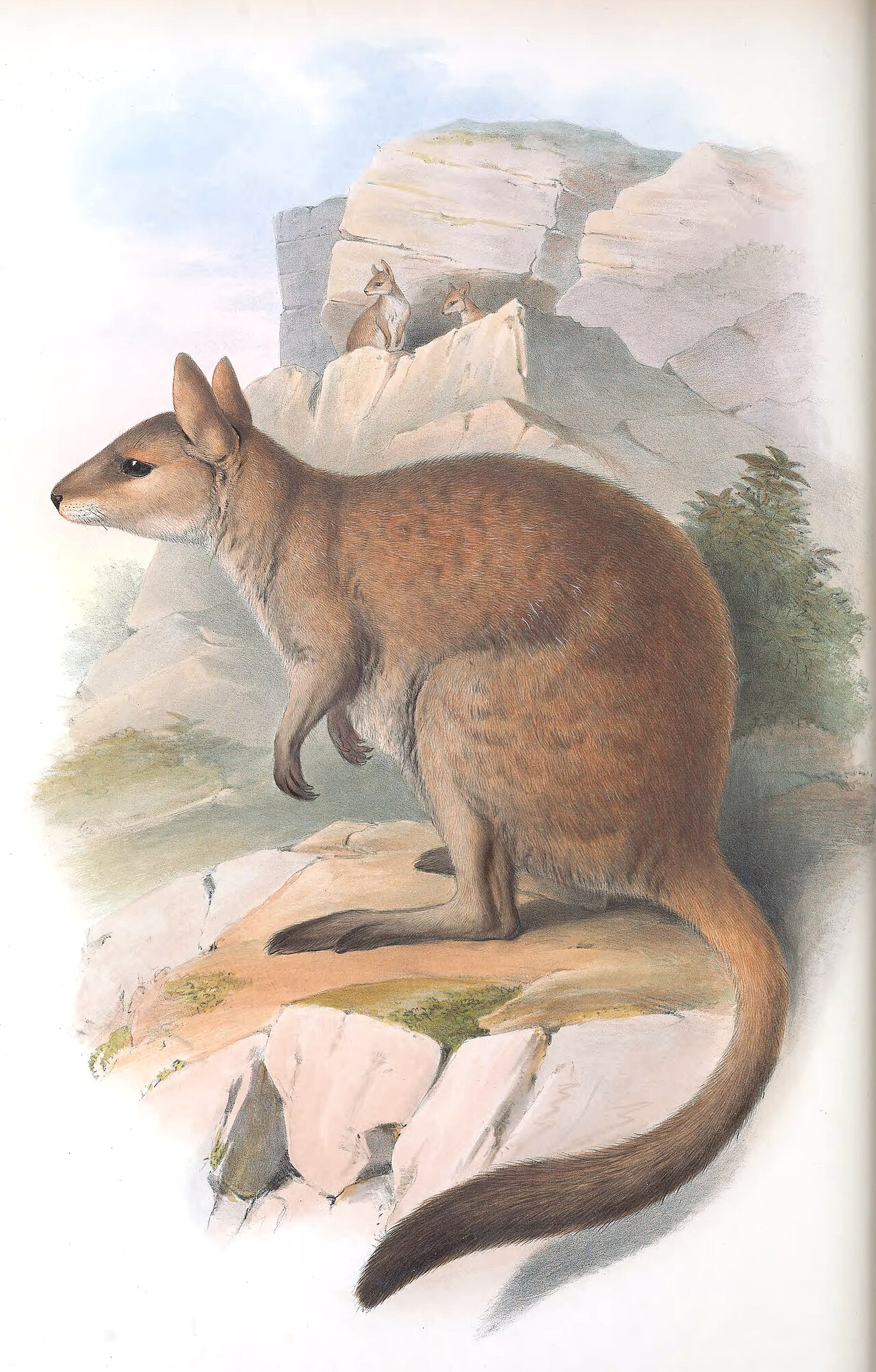
Nabarlek
Petrogale concinnaAlso known as Pygmy Rock-wallaby, Little Rock-wallaby
Nabarleks are diminutive rock-wallabies adapted to navigating the sheer sandstone cliffs and boulder fields of northern Australia. They spend daylight hours concealed deep within labyrinthine rock fissures to avoid the oppressive heat, emerging after dusk to forage on tough native grasses and ferns. Uniquely among macropods, they possess an endless conveyor belt of molars that continuously migrate forward and fall out, allowing them to grind abrasive, silica-rich vegetation without starving.
NocturnalMarsupialHerbivore
—observations
—countries
—peak records
EndangeredConservation statusIUCN Red List categoriesLCNTVUENCREWEXEndangeredRed List categories, explained →
Diet & preyNardoo Fern, Triodia Grass, Cyperus Sedge
Predators
- Feral Cat
- Dingo
- Olive Python
ThreatsFeral cat predation, altered fire regimes, and habitat degradation
HabitatsSandstone escarpments, rocky outcrops, and boulder screes
Life span6–10 years
Classification
- FamilyMacropodidae
- SpeciesPetrogale concinna
Range data is not available yet.
Interaction riskLow
- Low
- Moderate
- High
- Very high
- Why interaction risk is low
- Safe to observe from a distance; may kick or scratch if cornered.
- What to notice
- Look for a tiny grey rock-wallaby with a rufous wash over the shoulders, a faint cheek stripe, and a bushy tail.
- Support conservation
- Maintain a generous viewing distance, avoid shining bright white lights into sheltering rock crevices, and keep pets leashed.
Responsible observation
- Viewing Time: Scan rocky escarpment margins quietly at twilight with a red-filtered spotlight.
- Noise Discipline: Maintain quiet observation, as this timid wallaby flees deep into boulders when startled.
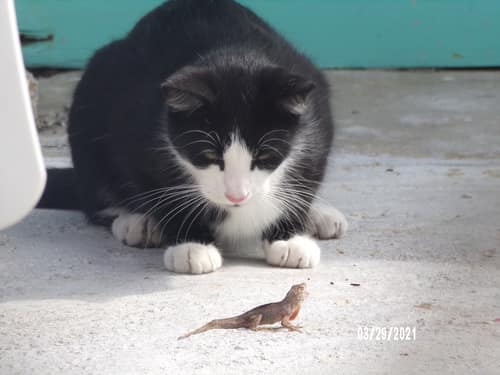
Predator (c) chloe ⋆˚꩜。, some rights reserved (CC BY-SA) · cc-by-sa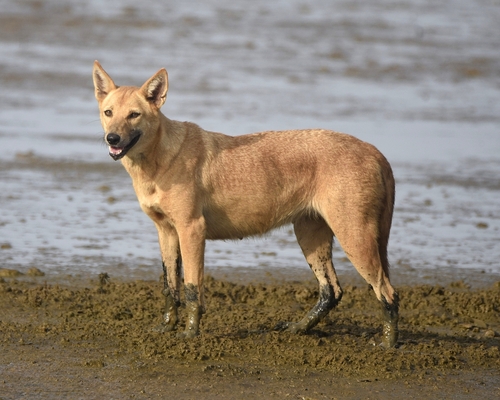
Predator (c) Afsar Nayakkan, some rights reserved (CC BY), uploaded by Afsar Nayakkan · cc-by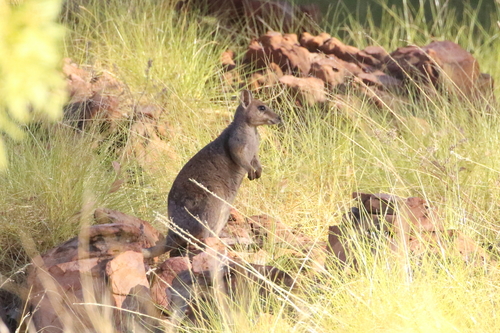
Close Relative no rights reserved, uploaded by Richard Fuller · cc0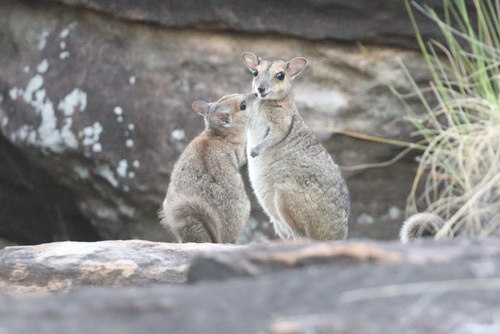
Close Relative no rights reserved · cc0
Help improve the field guideSomething wrong?
Checking your Fauna account…Report a name, category, or profile issue for review.