
Mammal · GBIF taxon 2440114
Black-footed Rock-wallaby
Petrogale lateralisAlso known as Black-flanked Rock-wallaby, Warru
Black-footed rock-wallabies navigate sheer cliff faces and steep boulder piles with extraordinary agility, relying on specialized friction pads on their feet to grip bare stone. During the heat of the day, these cautious marsupials shelter deep inside dark rock crevices, emerging around dusk to feed on native grasses and shrubs. Females raise a single joey in a forward-facing pouch, expertly bounding across vertical granite while carrying their growing young.
NocturnalMarsupialAgile
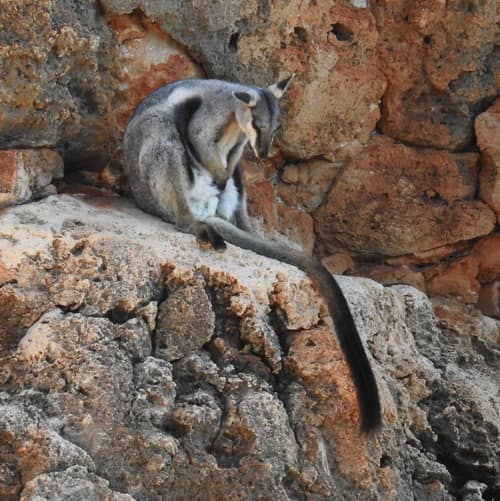
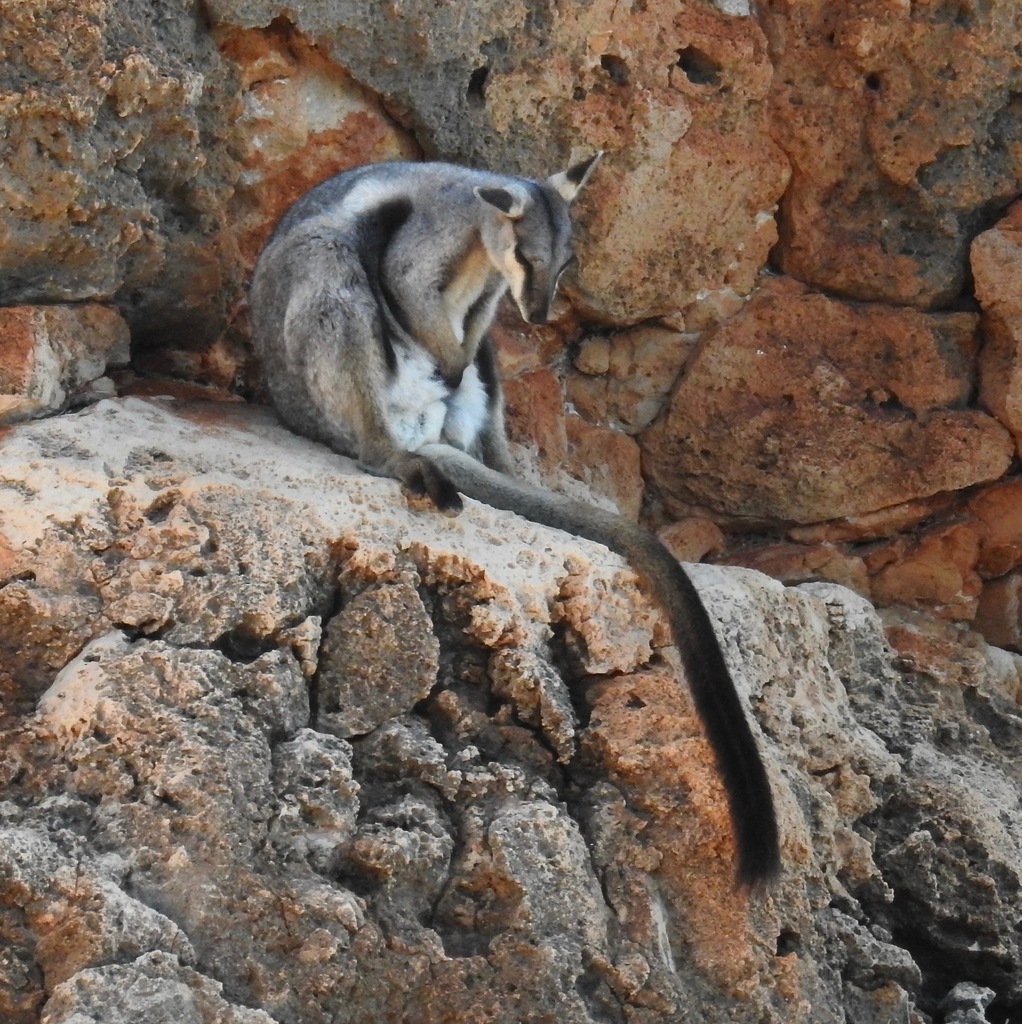
—observations
—countries
—peak records
VulnerableConservation statusIUCN Red List categoriesLCNTVUENCREWEXVulnerableRed List categories, explained →
Diet & prey
- Grasses
- Herbs
- Shrub Leaves
Predators
- Red Fox
- Feral Cat
- Wedge-tailed Eagle
ThreatsPredation by invasive foxes and cats, altered fire regimes, drought
HabitatsRocky outcrops, boulder piles, gorges, and cliffs
Life span10–14 years
Size / weightNot available
Classification
- FamilyMacropodidae
- SpeciesPetrogale lateralis
Range data is not available yet.
Interaction riskLow
- Low
- Moderate
- High
- Very high
- Why interaction risk is low
- Shy and harmless from a distance; avoid cornering to prevent defensive bites or scratches.
- What to notice
- Recognizable by dark flank stripes, black feet, and a long tail with a dark bushy tip.
- Support conservation
- Observe from a distance on marked trails, avoiding flashlight beams aimed into roosting crevices.
Responsible observation
- Twilight Observation: Scan cliff faces and cave openings at dusk or dawn when wallabies emerge to feed.
- Keep Distance: Use binoculars or a zoom lens to watch without driving them into hiding.
- Respect Refuges: Avoid climbing into shallow caves or crevices where wallabies rest during peak heat.
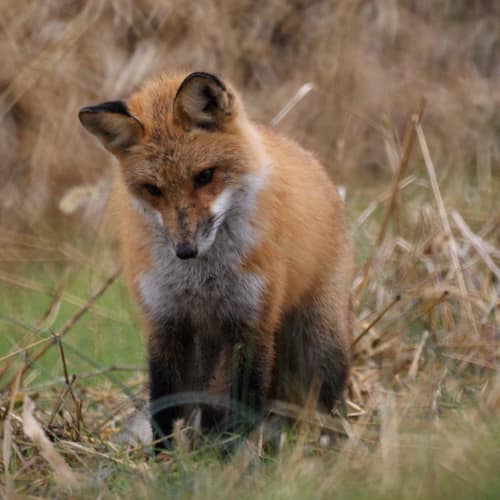
Predator "Red Fox" by Mike's Birds is licensed under CC BY-SA 2.0. To view a copy of this license, visit https://creativecommons.org/licenses/by-sa/2.0/. · cc-by-sa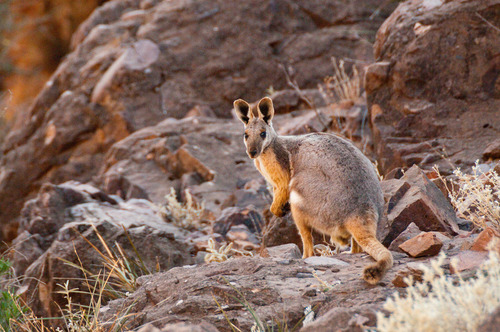
Close Relative (c) Rolf Lawrenz, some rights reserved (CC BY), uploaded by Rolf Lawrenz · cc-by Image unavailable
Close Relative
Help improve the field guideSomething wrong?
Checking your Fauna account…Report a name, category, or profile issue for review.