
Mammal · GBIF taxon 2440068
Greater Glider
Petauroides volansAlso known as Southern Greater Glider, Greater Gliding Possum
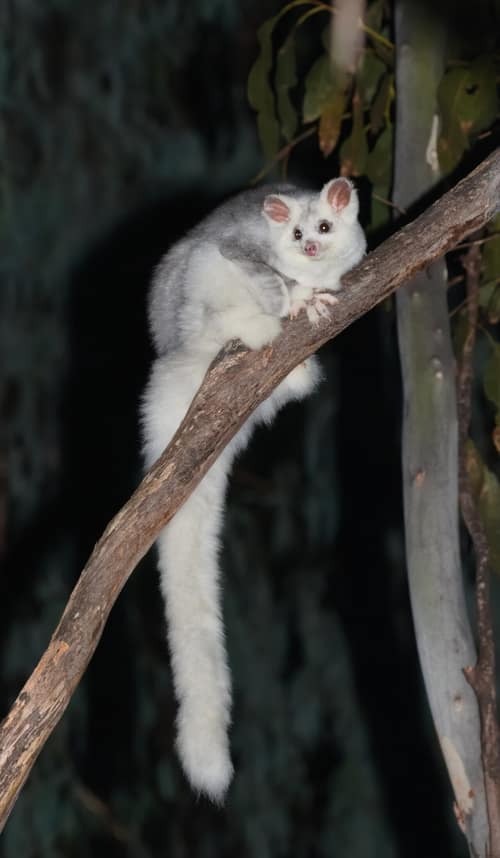
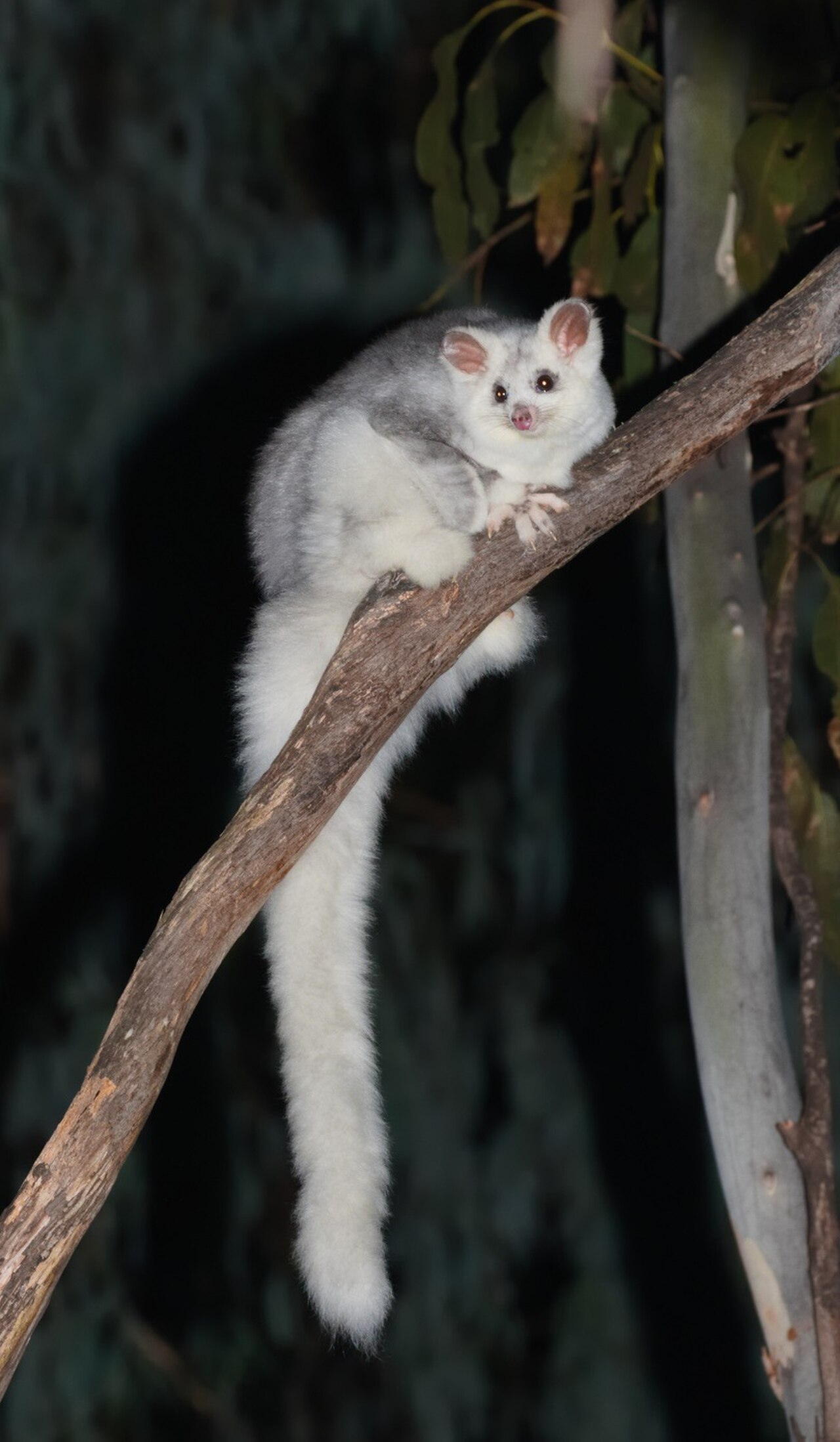
Greater gliders are Australia's largest gliding marsupials, capable of silently soaring up to 100 meters between old-growth tree canopies using broad membrane folds that extend from elbow to ankle. They feed almost exclusively on nutrient-poor eucalyptus leaves, spending daylight hours resting inside large hollow trunks before emerging at dusk. Their thick, fluffy fur varies from dark charcoal to pure white, and their enormous bushy tails act as rudders during long silent glides.
NocturnalArboreal
—observations
—countries
—peak records
EndangeredConservation statusIUCN Red List categoriesLCNTVUENCREWEXEndangeredRed List categories, explained →
Diet & prey
- Eucalyptus foliage
- Eucalyptus buds
- Eucalyptus blossoms
Predators
- Powerful Owl
- Sooty Owl
- Dingo
ThreatsLogging, habitat fragmentation, intense bushfires, climate warming
HabitatsEucalyptus forests, tall open woodlands
Life span6–15 years
Size / weightNot available
Classification
- FamilyPseudocheiridae
- SpeciesPetauroides volans
Range data is not available yet.
Interaction riskLow
- Low
- Moderate
- High
- Very high
- Why interaction risk is low
- Safe to observe at a normal distance.
- What to notice
- Look high in tall eucalyptus trees for a fluffy silhouette with huge round ears and a long trailing tail.
- Support conservation
- Observe strictly from below with red lighting and avoid disturbing nesting hollows.
Responsible observation
- Spotting at Night: Use a soft red filter on spotlights to avoid blinding individuals while scanning high branches.
- Tree Hollow Preservation: Retain old-growth trees with deep natural hollows needed for daytime dens.
- Vocalizations: Listen for quiet rustling in the high canopy rather than loud territorial calls.
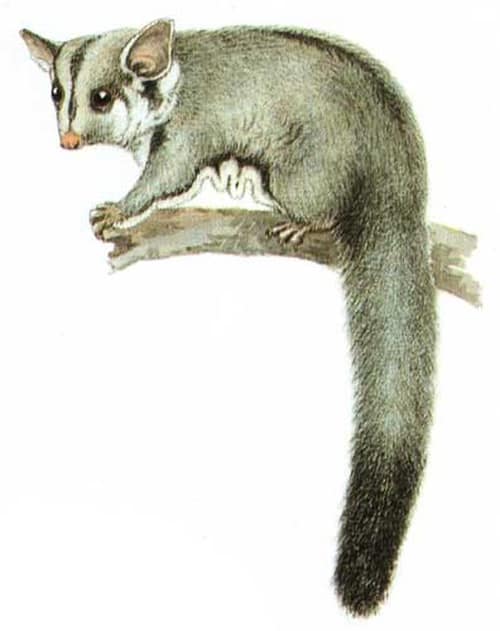
Ecological Mimic Wikimedia Commons / Public domain · cc0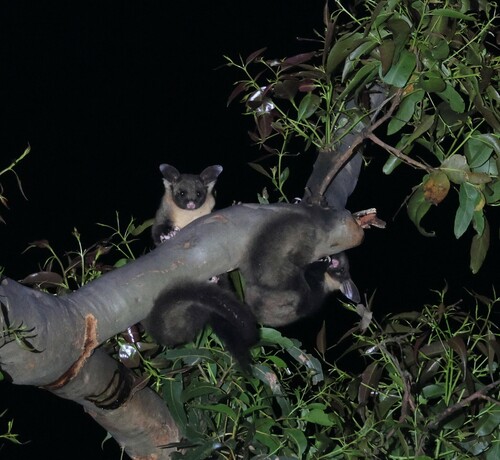
Co-occurring Glider (c) Greg Tasney, some rights reserved (CC BY-SA) · cc-by-sa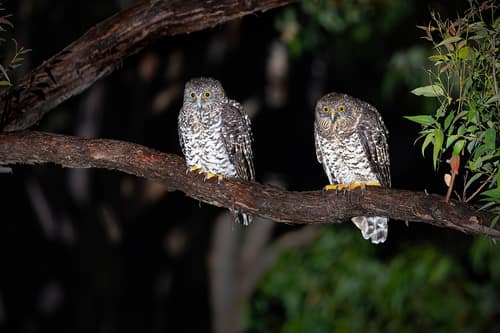
Predator JJ Harrison / CC BY-SA 4.0 · cc-by-sa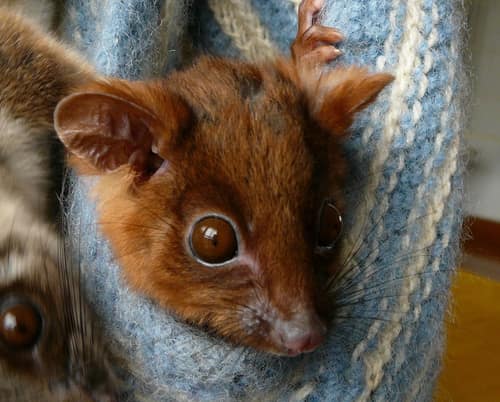
Close Relative (c) Lee, some rights reserved (CC BY) · cc-by
Help improve the field guideSomething wrong?
Checking your Fauna account…Report a name, category, or profile issue for review.