
Mammal
Eastern Ring-tailed Possum
Pseudocheirus peregrinusAlso known as Common Ringtail Possum, Ring-tailed Possum
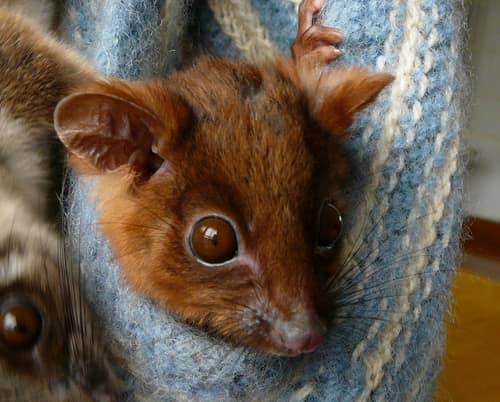
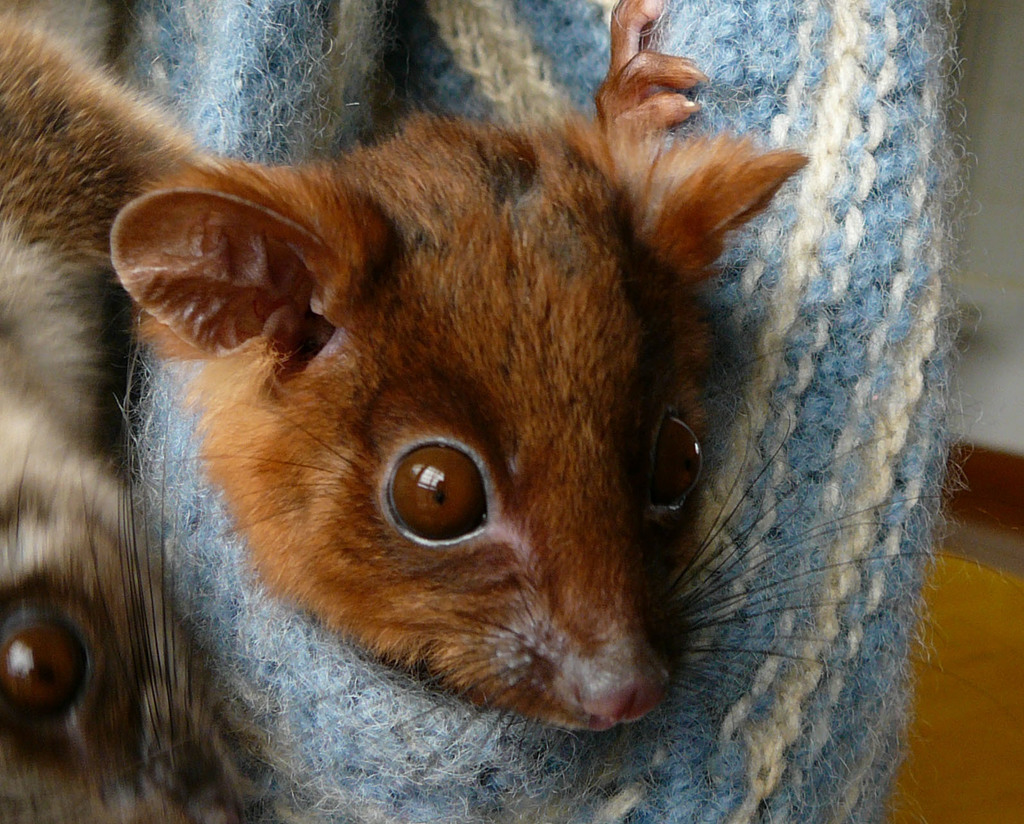
Eastern ring-tailed possums are sociable arboreal marsupials best known for weaving spherical nests, called dreys, from twigs, bark, and leaves high in the forest canopy or dense garden shrubbery. They feed primarily on eucalyptus foliage and practice caecotrophy, re-ingesting special nutrient-rich fecal pellets during the day to extract maximum nutrition from their fibrous, tannin-heavy diet. Active exclusively by night, family groups frequently travel along leafy overhead highways, using their white-tipped prehensile tails as an agile fifth limb.
NocturnalArborealMarsupial
—observations
—countries
—peak records
Least ConcernConservation statusIUCN Red List categoriesLCNTVUENCREWEXLeast ConcernRed List categories, explained →
Diet & preyEucalyptus leaves, Acacia blossoms, Native fruits
Predators
- Powerful Owl
- Carpet Python
- Red Fox
ThreatsPredation by feral cats and foxes, vehicle strikes, and extreme heatwaves
HabitatsEucalypt forests, coastal scrub, rainforest margins, and suburban gardens
Life span4–8 years in the wild
Classification
- OrderDiprotodontia
- FamilyPseudocheiridae
- GenusPseudocheirus
- SpeciesPseudocheirus peregrinus
Range data is not available yet.
Interaction riskLow
- Low
- Moderate
- High
- Very high
- Why interaction risk is low
- Possesses sharp claws and teeth; admire from a respectful distance and avoid handling wild individuals.
- Why it is dangerous
- Equipped with strong, recurved claws for climbing and sharp incisors that can inflict painful punctures or lacerations if cornered or restrained.
- How to recognize a risky encounter
- Look for a slender body, small rounded ears, two opposable digits on the front feet, and a distinct white-tipped curling tail.
- What to do
- Never grab or corner a wild possum; if an injured animal requires rescue, wrap it gently in a thick towel or contact a local wildlife carer.
Responsible observation
- Spotting by Night: Scan urban canopies and dense hedges after dusk with a red-filtered spotlight to avoid blinding their sensitive eyes.
- Garden Hospitality: Plant native shrubs like bottlebrush and grevillea to provide natural foraging corridors safely off the ground.
- Pet Safety: Keep domestic cats indoors overnight to protect foraging adults and dispersing youngsters.
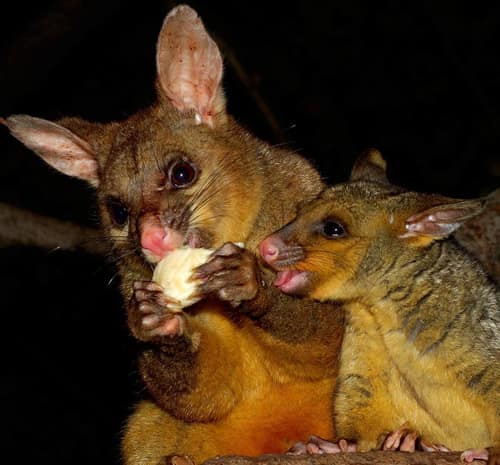
Competitor (c) Jes, some rights reserved (CC BY-SA) · cc-by-sa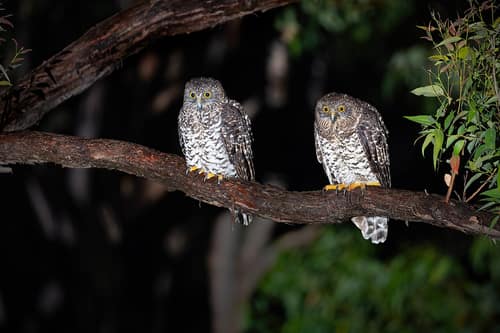
Predator JJ Harrison / CC BY-SA 4.0 · cc-by-sa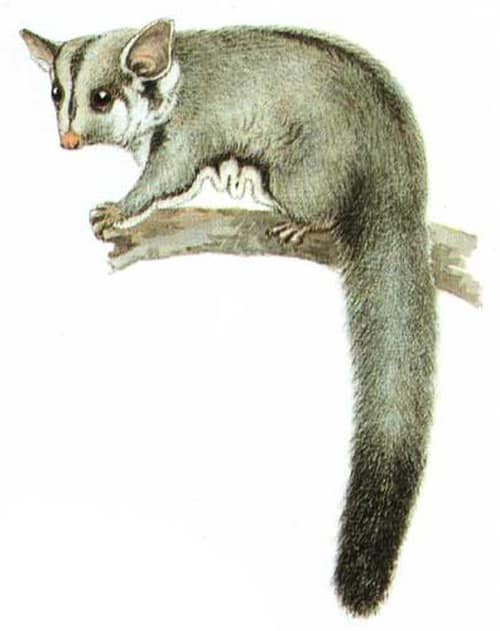
Frequent Companion Wikimedia Commons / Public domain · cc0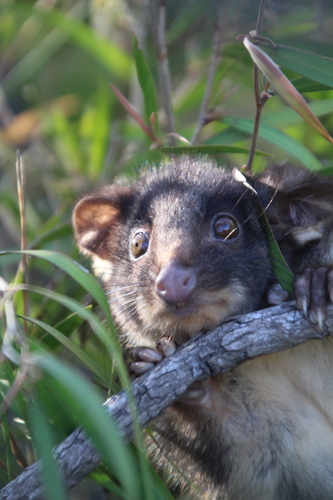
Close Relative (c) Em Lamond, some rights reserved (CC BY) · cc-by
Help improve the field guideSomething wrong?
Checking your Fauna account…Report a name, category, or profile issue for review.