
Mammal · GBIF taxon 2440043
Sugar Glider
Petaurus brevicepsAlso known as Lesser Glider, Short-Headed Glider
Sugar gliders are gregarious nocturnal marsupials that live in family clans of up to seven adults, nesting together in tree hollows lined with fresh leaves. A gliding membrane called a patagium stretches from each wrist to ankle, allowing them to sail up to fifty meters between canopy branches steered by their long, bushy tails. Scent glands on the forehead and chest enable dominant males to mark territory and clan members with unique chemical signatures.
NocturnalArborealMarsupial
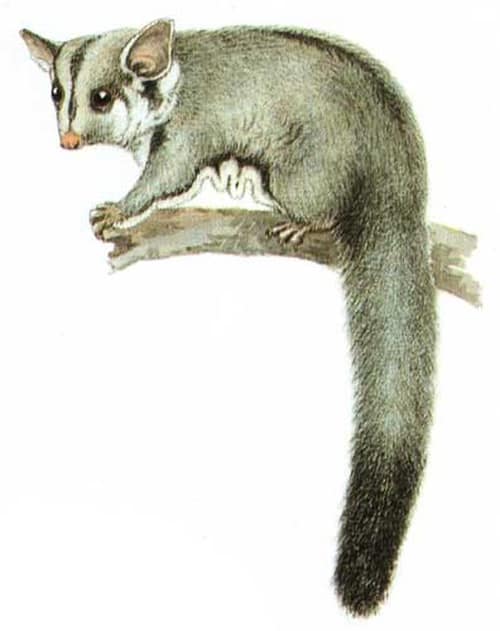
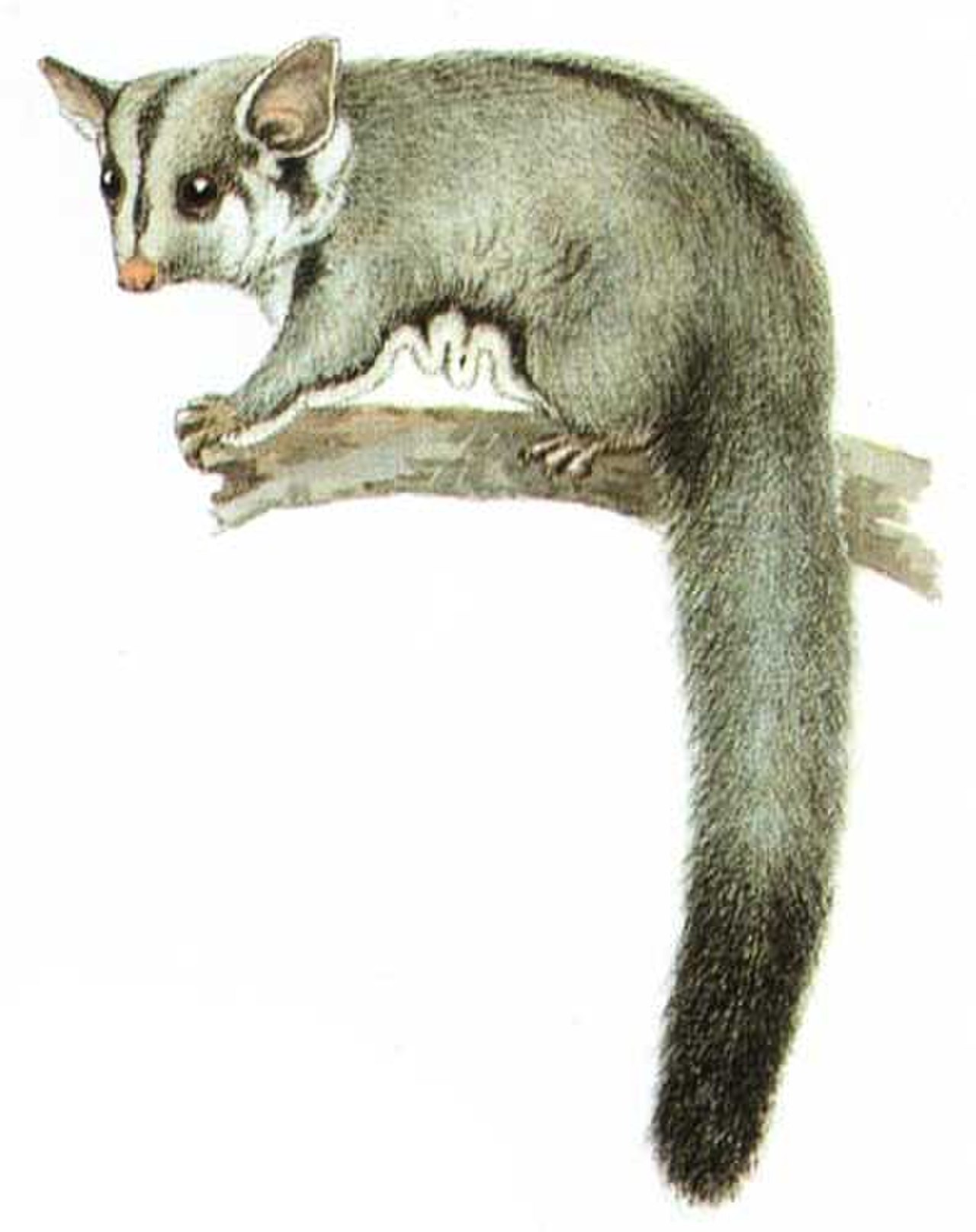
—observations
—countries
—peak records
Least ConcernConservation statusIUCN Red List categoriesLCNTVUENCREWEXLeast ConcernRed List categories, explained →
Diet & prey
- Tree crickets
- Moths
- Beetles
Predators
- Powerful Owl
- Feral Cat
- Lace Monitor
ThreatsHabitat loss, fragmentation of mature tree hollows, and predation by feral cats
HabitatsEucalypt forests, woodlands, and coastal rainforest fringes
Life span9–12 years in the wild; up to 15 years in captivity
Classification
- OrderDiprotodontia
- FamilyPetauridae
- GenusPetaurus
- SpeciesPetaurus breviceps
Range data is not available yet.
Interaction riskLow
- Low
- Moderate
- High
- Very high
- Why interaction risk is low
- Possesses sharp claws and teeth; maintain distance and never attempt to handle wild individuals.
Responsible observation
- Use red light: Switch to a red-filtered headlamp when spotlighting in forests to avoid blinding their nocturnal vision.
- Listen for chatter: Scan high hollow branches at dusk when clans produce shrill barking calls before taking flight.
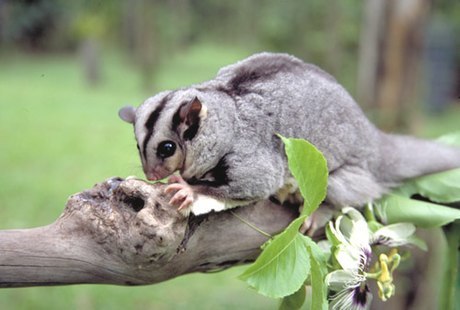
Same Genus (c) Original uploader was Pfinge at fr.wikipedia, alguns direitos reservados (CC BY-SA) · cc-by-sa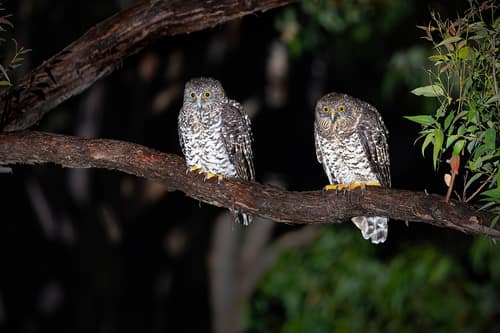
Predator JJ Harrison / CC BY-SA 4.0 · cc-by-sa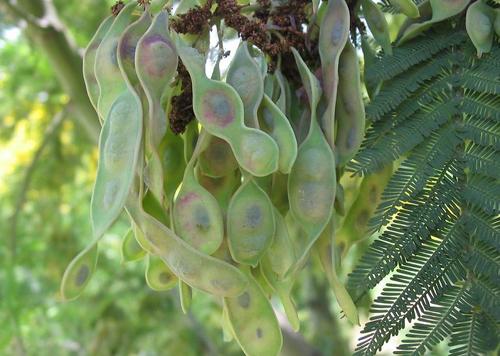
Host Plant (c) anonymous, some rights reserved (CC BY-SA) · cc-by-sa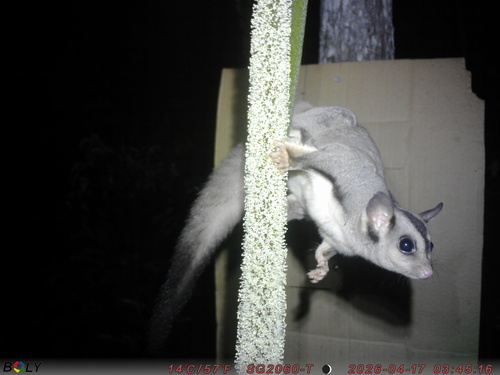
Close Relative (c) Scott W. Gavins, some rights reserved (CC BY) · cc-by
Help improve the field guideSomething wrong?
Checking your Fauna account…Report a name, category, or profile issue for review.