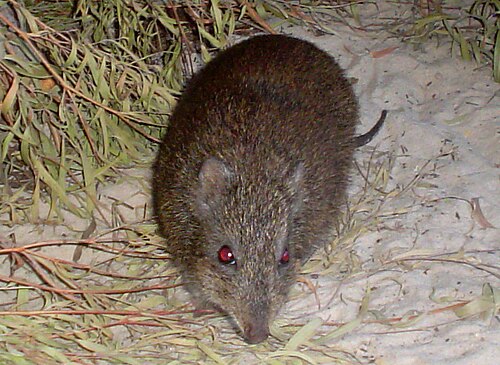
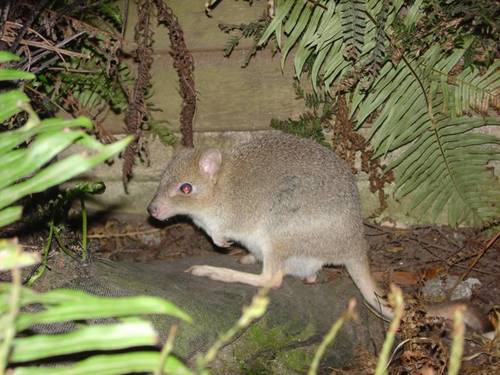
Long-nosed potoroos are solitary, nocturnal marsupials that spend their nights hopping through dense coastal undergrowth and excavating small conical pits in search of underground truffles. By eating hypogeous fungi and passing intact spores in their droppings, they play a vital role in maintaining healthy mycorrhizal networks for Australian eucalypt forests. Females carry a single joey in a forward-opening pouch for about four months while often keeping a fertilized embryo in developmental pause.
Diet & preyUnderground fungi, Plant roots and tubers, Beetle larvae and insects
Predators
Red Fox
Feral Cat
Masked Owl
ThreatsPredation by introduced red foxes and feral cats, habitat clearing, and altered fire regimes
HabitatsDense coastal heath, wet sclerophyll forests, and shrublands of southeastern Australia and Tasmania
Life span6–8 years in the wild (up to 12 years in captivity)
Classification
FamilyPotoroidae
SpeciesPotorous tridactylus
Range & activity
Range data is not available yet.
Safe observation
Interaction riskLow
Low
Moderate
High
Very high
Why interaction risk is low
Sharp digging claws and teeth can scratch or bite if handled; observe quietly from a distance.
What to notice
Look for a rabbit-sized, brownish-grey marsupial with a long pointed snout, short rounded ears, and small conical diggings in damp forest leaf litter.
Support conservation
Keep dogs on a leash in potoroo habitat, stay on established trails to protect dense understory cover, and avoid shining bright lights on individuals at night.
Responsible observation
Spot the diggings: Look for neat, conical pits in damp soil where individuals unearthed underground fungi overnight.
Watch at dusk: Sit quietly near dense understory edges at twilight, when animals emerge along well-worn runways.
Protect the understory: Keep pets leashed and stay on marked tracks so thick ground cover stays intact.

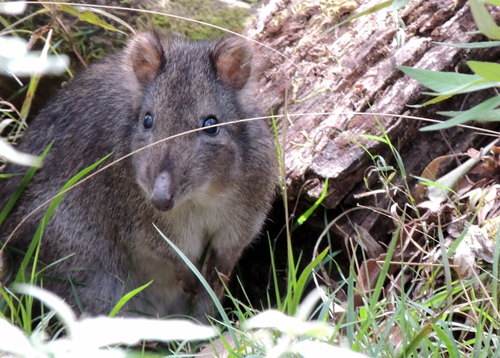
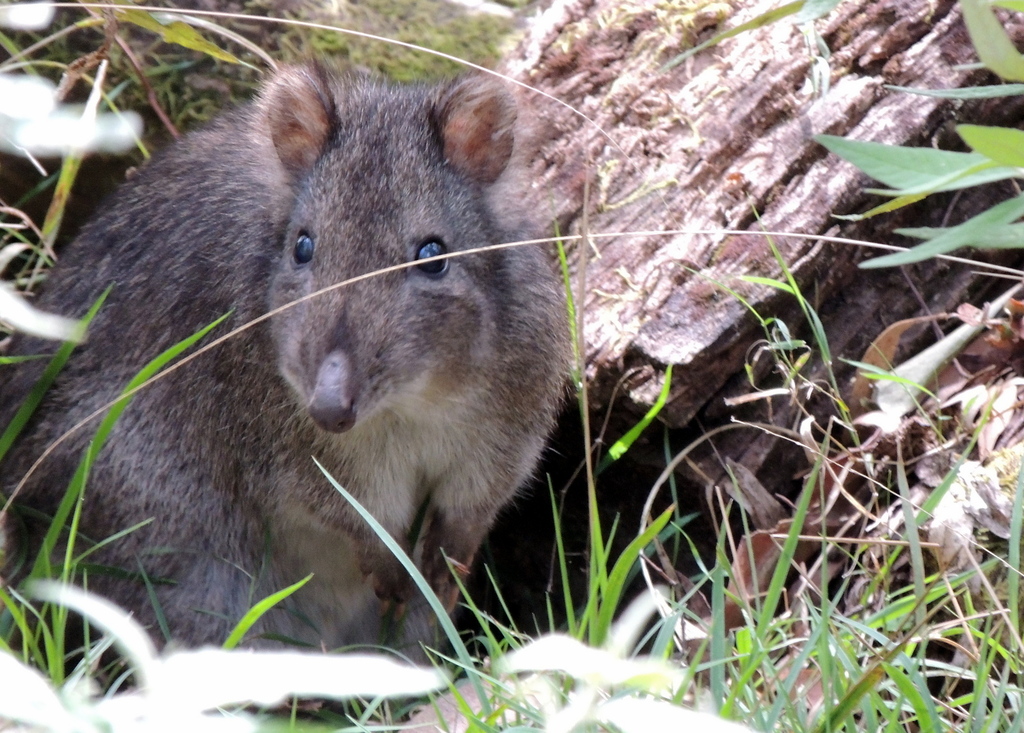
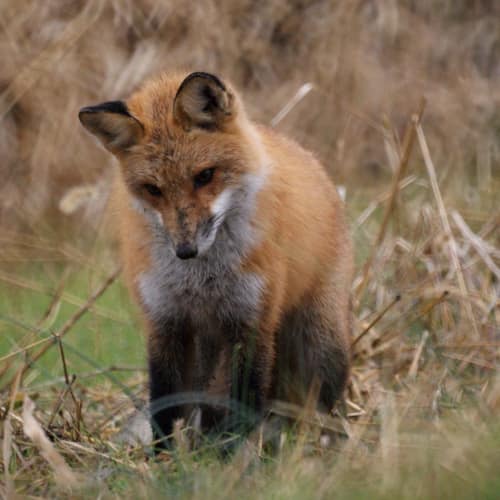
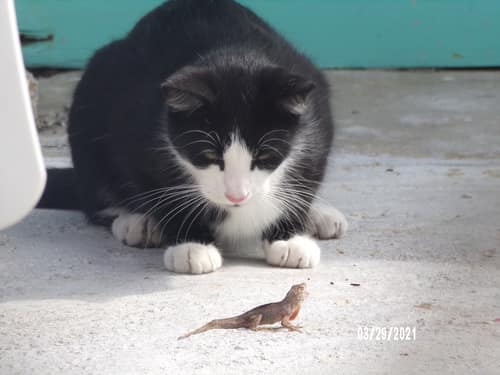
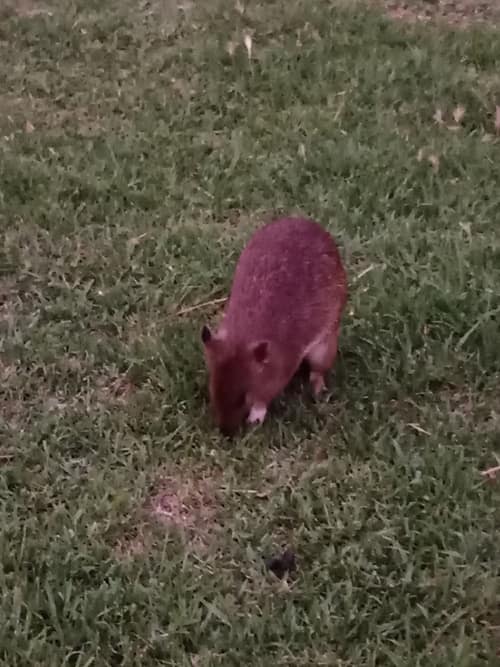
 Image unavailable