
Mammal · GBIF taxon 2439378
Plains Pocket Gopher
Geomys bursariusAlso known as Eastern Pocket Gopher, Plains Gopher
Plains pocket gophers spend nearly their entire lives underground, excavating extensive subterranean burrow systems with powerful foreclaws and broad incisors. They transport roots, tubers, and vegetation back to underground storage chambers using spacious, fur-lined cheek pouches that can turn inside out. Their constant digging churns and aerates Great Plains soils, creating microhabitats that benefit numerous native grassland plants and animals.
FossorialGrasslandHerbivore
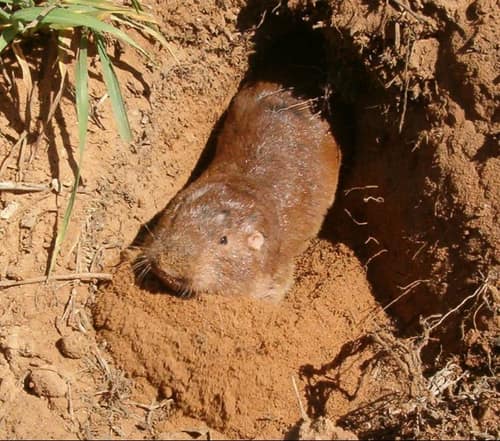
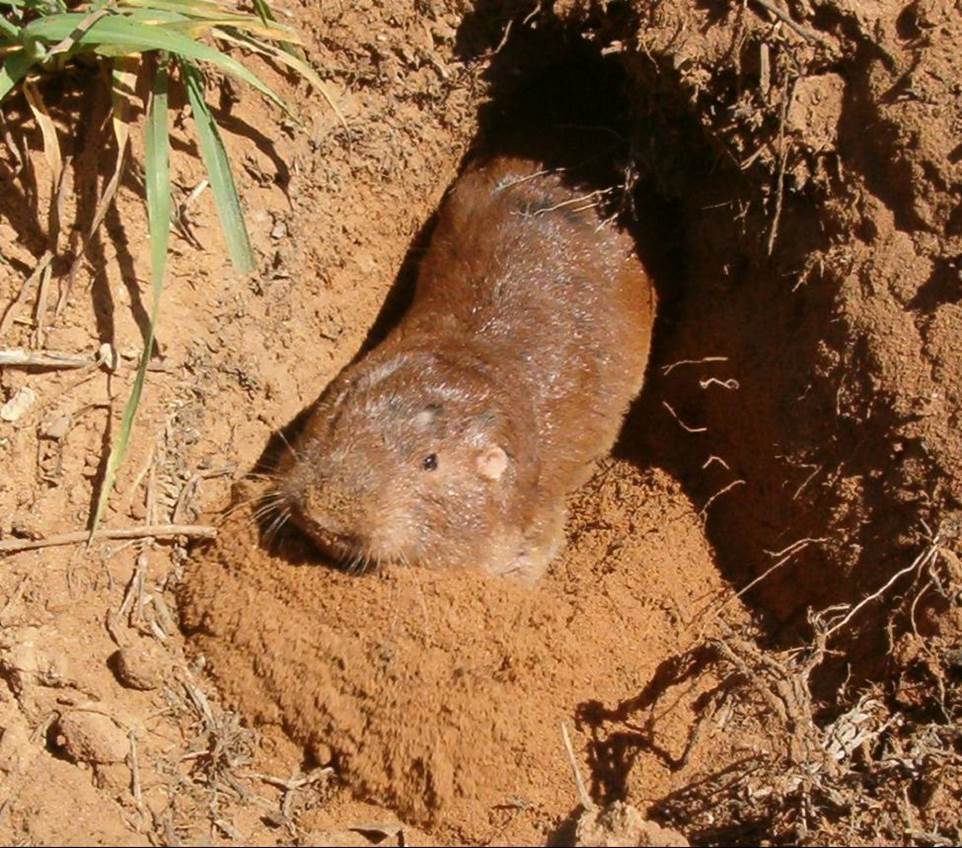 1 / 3
1 / 3—observations
—countries
—peak records
Least ConcernConservation statusIUCN Red List categoriesLCNTVUENCREWEXLeast ConcernRed List categories, explained →
Diet & prey
- Roots and Tubers
- Grasses
- Broadleaf Weeds
Predators
- American Badger
- Bullsnake
- Great Horned Owl
ThreatsAgricultural eradication, habitat loss, and road mortality
HabitatsTallgrass prairie, shortgrass prairie, pastures, and cropland
Life span1–3 years in the wild
Size / weightNot available
Classification
- FamilyGeomyidae
- SpeciesGeomys bursarius
Native
Interaction riskLow
- Low
- Moderate
- High
- Very high
- Why interaction risk is low
- Possesses powerful incisors capable of breaking skin if handled; observe from a safe distance.
Responsible observation
- Identify Mounds: Distinguish gopher activity by crescent-shaped dirt piles with plugged central entry holes.
- Keep Distance: Refrain from digging into active burrows to avoid disturbing these solitary animals.
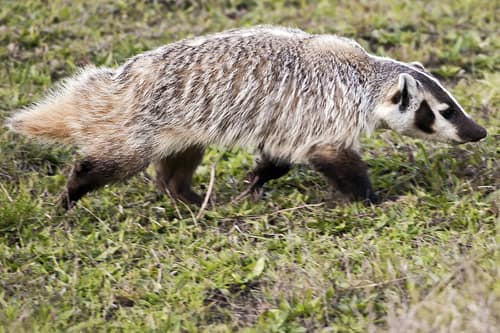
Predator Yathin S Krishnappa / CC BY-SA 3.0 · cc-by-sa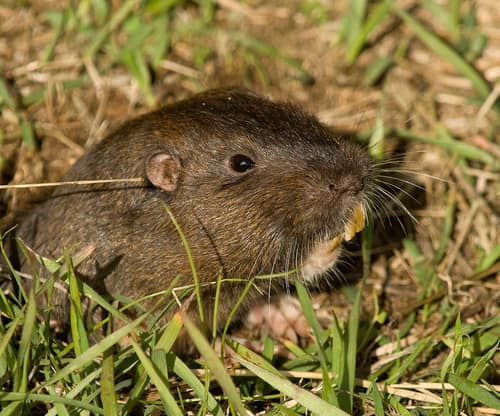
Close Relative Chuck Abbe / CC BY 2.0 · cc-by
Help improve the field guideSomething wrong?
Checking your Fauna account…Report a name, category, or profile issue for review.