
Mammal · GBIF taxon 2439377
Southeastern Pocket Gopher
Geomys pinetisAlso known as Salamander, Sandy Mounder, Georgia Pocket Gopher
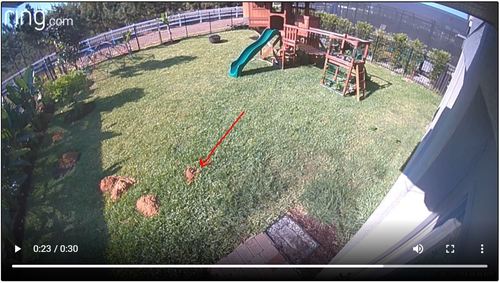
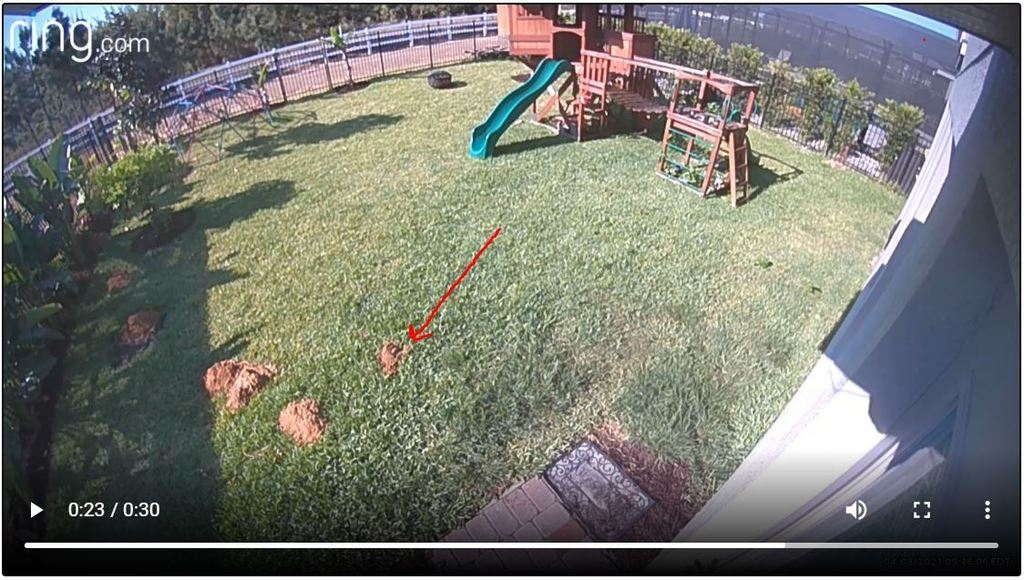
Southeastern pocket gophers spend nearly their entire lives underground in self-excavated tunnel systems within sandy pine habitats. Their large, fur-lined cheek pouches turn inside out to unload gathered roots and tubers into subterranean storage chambers. Fan-shaped mounds of pushed-up soil mark their active burrows, aerating the earth and creating microhabitats for native plants across longleaf pine ecosystems.
FossorialBurrowerNative
—observations
—countries
—peak records
Least ConcernConservation statusIUCN Red List categoriesLCNTVUENCREWEXLeast ConcernRed List categories, explained →
Diet & prey
- Roots
- Tubers
- Grass stems
Predators
- Eastern indigo snake
- Pine snake
- Barn owl
ThreatsHabitat loss from land development, fire suppression, and agricultural clearing
HabitatsLongleaf pine savannas, oak scrub, sandy agricultural fields, and pastures
Life span2–5 years
Size / weightNot available
Classification
- FamilyGeomyidae
- SpeciesGeomys pinetis
Range data is not available yet.
Interaction riskLow
- Low
- Moderate
- High
- Very high
- Why interaction risk is low
- Can deliver a painful bite if handled; observe burrow mounds without disturbing the soil.
Responsible observation
- Identify Burrows: Look for fan-shaped mounds of bare sand with no open central entrance hole.
- Respect Tunnels: Avoid stepping directly on fresh soil mounds to prevent collapsing delicate burrows.
- Observe Early: Watch fresh sand mounds at sunrise for active subterranean digging activity.
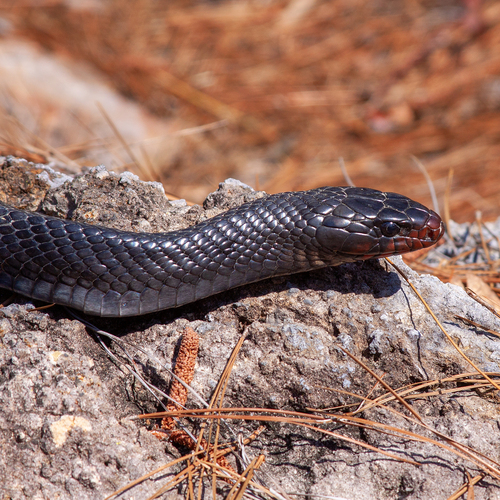
Predator (c) Dan Vickers, some rights reserved (CC BY) · cc-by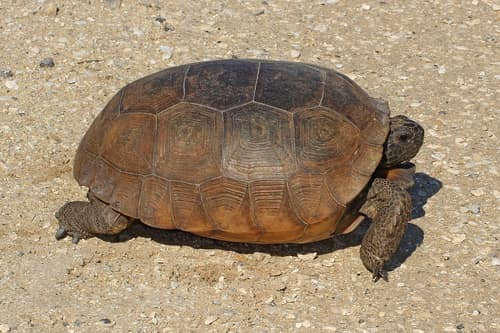
Frequent Companion Judy Gallagher / CC BY 2.0 · cc-by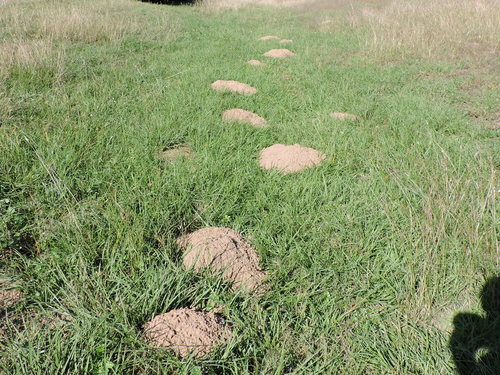
Close Relative (c) Sam Kieschnick, some rights reserved (CC BY) · cc-by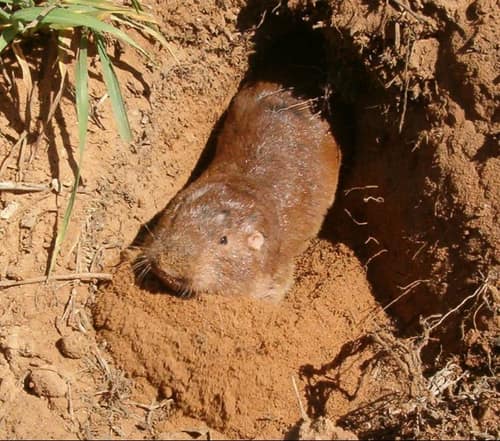
Close Relative (c) Sam Kieschnick, some rights reserved (CC BY), uploaded by Sam Kieschnick · cc-by
Help improve the field guideSomething wrong?
Checking your Fauna account…Report a name, category, or profile issue for review.