
Mammal · GBIF taxon 2439304
Northern Water Rat
Paraleptomys rufilatusAlso known as Red-sided Water Rat, Rufous-sided Water Rat
Northern water rats forage through dense mossy leaf litter and splash zones along pristine mountain torrents, using acute vibrissae and slender muzzles to probe for hidden invertebrate prey. Unlike heavier aquatic rodents, they possess nimble, elongated hind feet tailored for scampering across wet boulders and tangled root networks. Restricted to isolated cloud forest ridges across northern New Guinea, their solitary nocturnal wanderings remain among the least documented in the rodent world.
NocturnalMontane
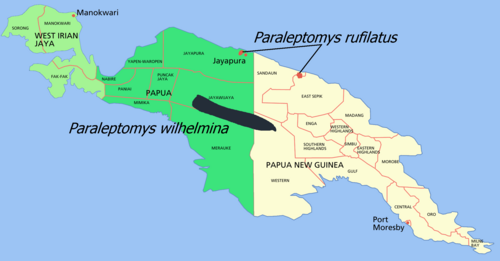
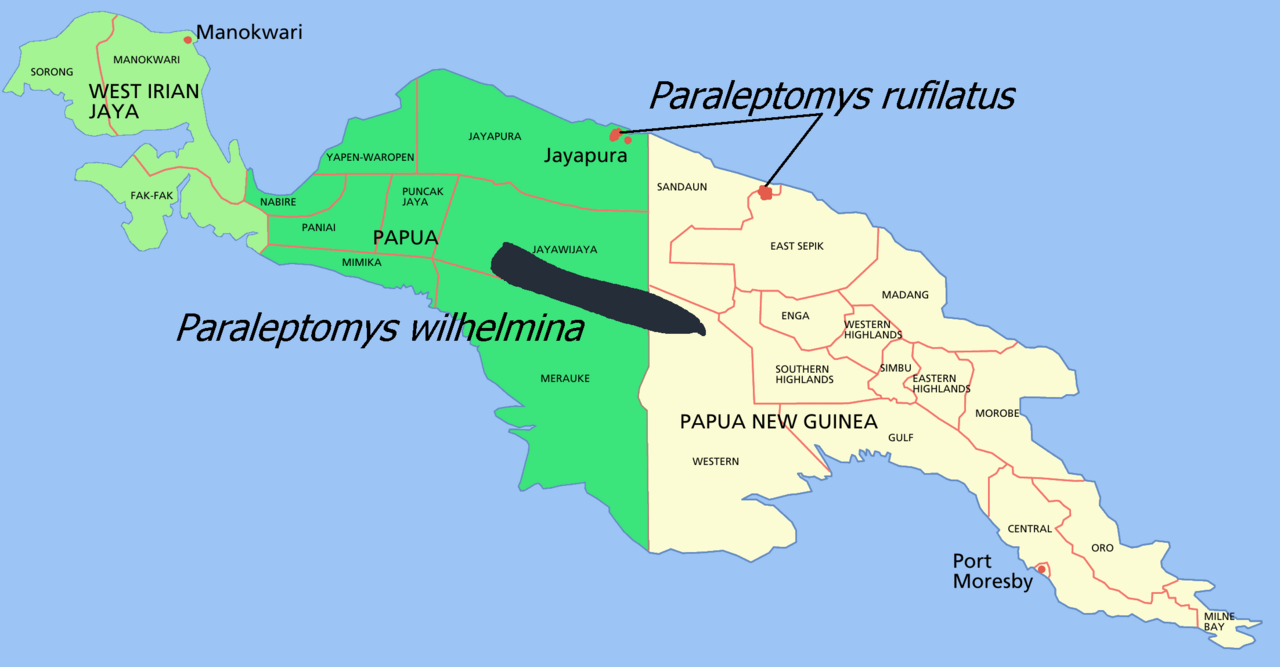
Licensed referenceWikimedia Commons / CC BY-SA 2.5 · cc-by-sa
—observations
—countries
—peak records
EndangeredConservation statusIUCN Red List categoriesLCNTVUENCREWEXEndangeredRed List categories, explained →
Diet & prey
- Earthworms
- Aquatic Insect Larvae
- Terrestrial Amphipods
Predators
- New Guinea Quoll
- Sooty Owl
- Amethystine Python
ThreatsDeforestation, agricultural encroachment, and predation by introduced carnivores
HabitatsTropical montane moss forests, stream banks, and cloud forest floors
Life span2–4 years
Classification
- FamilyMuridae
- SpeciesParaleptomys rufilatus
Range data is not available yet.
Interaction riskLow
- Low
- Moderate
- High
- Very high
- Why interaction risk is low
- Capable of delivering a sharp defensive bite if cornered; observe from a respectful distance.
- Why it is dangerous
- Sharp rodent incisors can easily puncture skin and transfer oral bacteria if an individual is cornered or handled.
- How to recognize a risky encounter
- Look for a slender, pointed snout, dark brownish-grey dorsal fur with rufous-tinged flanks, and a pale belly.
- What to do
- Never attempt to grab or trap wild rodents by hand; give them a clear escape route into dense cover.
- What to notice
- Recognizable by its small size, rufous flanks, and association with pristine high-elevation streams.
- Support conservation
- Maintain a quiet, unobtrusive posture and avoid disturbing sensitive moss forest microhabitats.
Responsible observation
- Spotting: Scan mossy stream edges after dark using a dim red headlamp to avoid startling nocturnal foragers.
- Habitat Care: Avoid trampling fragile moss carpets and undercut stream banks where burrows are excavated.
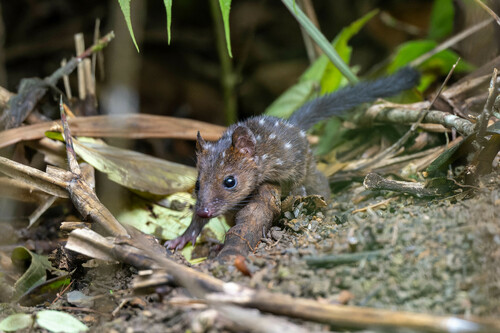
Predator no rights reserved, uploaded by Jun MATSUI · cc0
Close Relative Wikimedia Commons / CC BY-SA 2.5 · cc-by-sa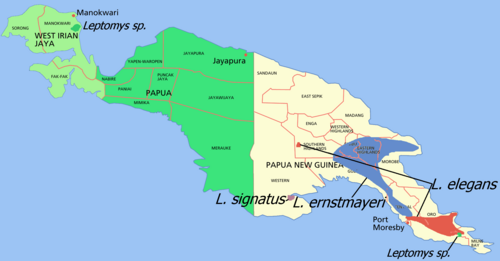
Close Relative Wikimedia Commons / CC BY-SA 2.5 · cc-by-sa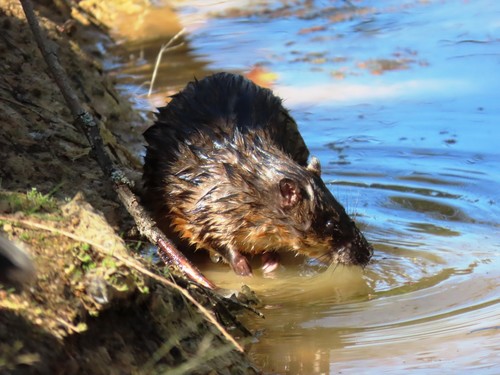
Same Family (c) Elspeth Swan, some rights reserved (CC BY), uploaded by Elspeth Swan · cc-by
Help improve the field guideSomething wrong?
Checking your Fauna account…Report a name, category, or profile issue for review.