
Mammal
California Vole
Microtus californicusAlso known as California Meadow Mouse
California voles engineer intricate networks of surface runways hidden beneath dense grass mats, constantly clipping vegetation along these paths to ensure swift, unobstructed escape routes. Highly prolific breeders, their populations surge and crash in dramatic multi-year cycles that dictate the breeding success and movements of regional predators. When food dries up during Mediterranean summers, they retreat to subterranean burrow systems to gnaw on roots, bulbs, and subterranean plant crowns.
HerbivoreBurrowerMammal
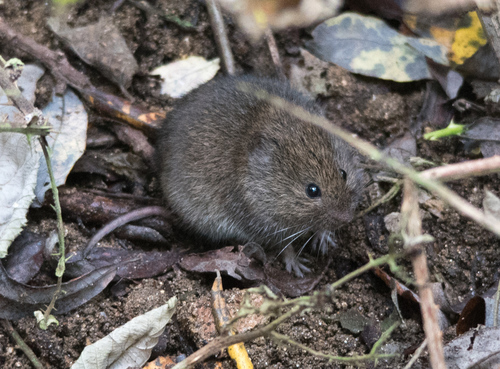
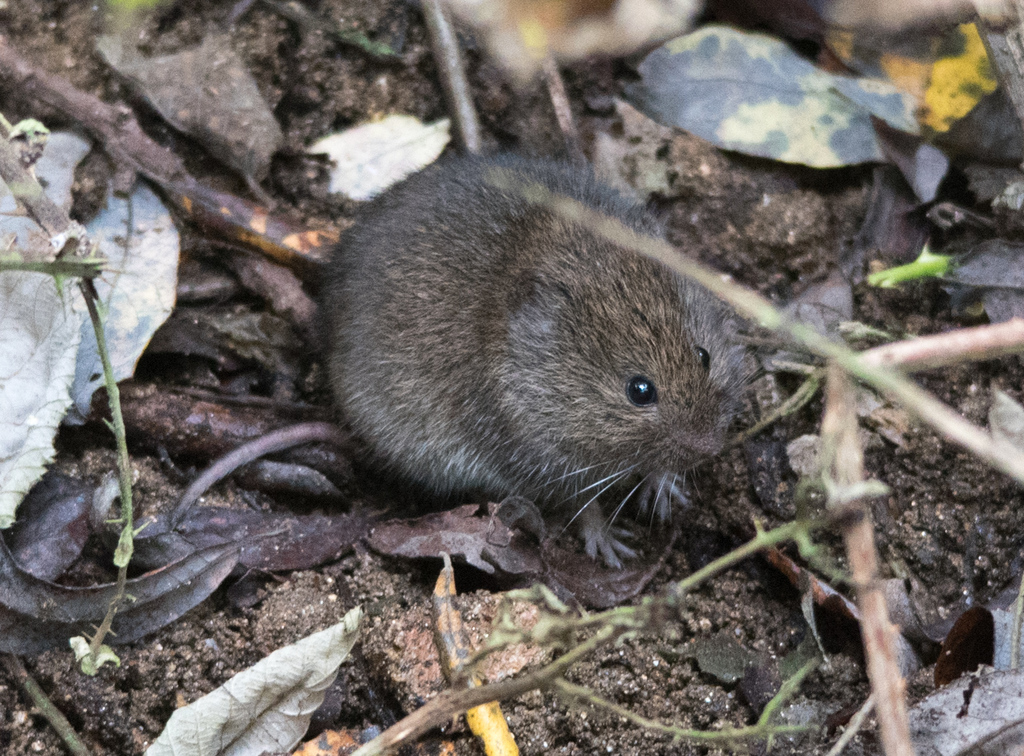
—observations
—countries
—peak records
Least ConcernConservation statusIUCN Red List categoriesLCNTVUENCREWEXLeast ConcernRed List categories, explained →
Diet & preyAnnual Grasses, Perennial Sedges, Wild Forbs
Predators
- Barn Owl
- Coyote
- Gopher Snake
ThreatsHabitat loss from urbanization, intensive agriculture, and rodenticide exposure
HabitatsMeadows, grasslands, chaparral, oak savannas, and agricultural margins
Life spanUnder 1 year in the wild (rarely up to 18 months)
Classification
- FamilyCricetidae
- SpeciesMicrotus californicus
Range data is not available yet.
Interaction riskModerate
- Low
- Moderate
- High
- Very high
- Why interaction risk is moderate
- Can deliver a sharp defensive bite and harbor flea-borne pathogens; observe from a distance.
- Why it is dangerous
- Harbors wild ectoparasites like fleas that can transmit plague or tularemia, and possesses sharp incisors capable of breaking human skin when handled.
- How to recognize a risky encounter
- Stout, compact body with a blunt muzzle, short ears nearly hidden in grizzled brown fur, and a tail much shorter than the body.
- What to do
- Do not touch, catch, or corner wild individuals; let them retreat undisturbed down their runway tunnels.
Responsible observation
- Look for runways: Search the base of tall grasses for narrow, clipped tunnels winding through thatch.
- Inspect owl pellets: Dissect regurgitated raptor pellets to find their diagnostic, blunt skull and rooted molars.
- Avoid direct handling: Never attempt to catch or corner them, as cornered rodents bite readily.
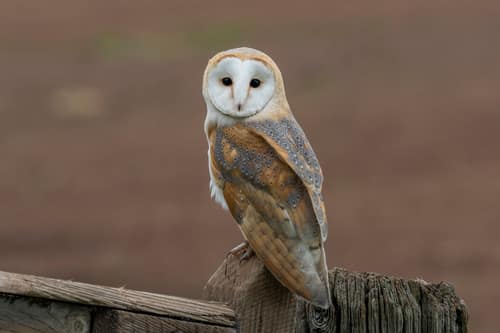
Predator (c) caroline legg, some rights reserved (CC BY) · cc-by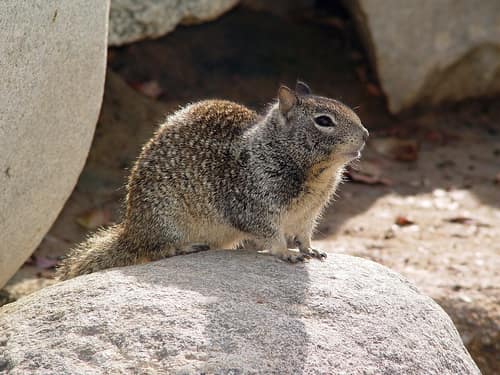
Competitor Holly Cheng / CC BY-SA 3.0 · cc-by-sa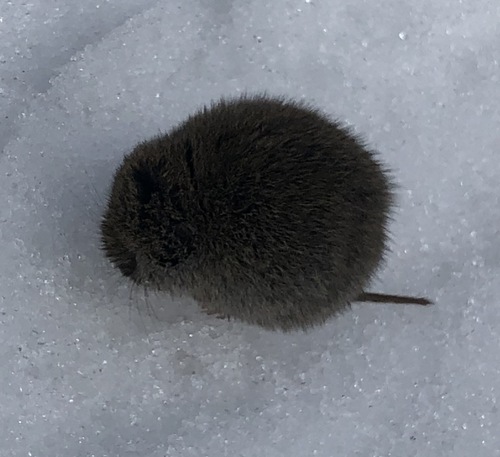
Close Relative (c) ecovore, some rights reserved (CC BY) · cc-by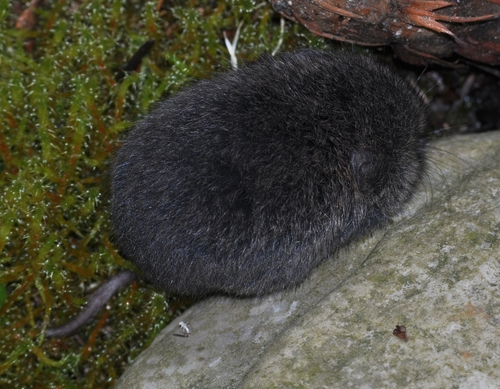
Close Relative (c) The High Fin Sperm Whale, some rights reserved (CC BY-SA) · cc-by-sa
Help improve the field guideSomething wrong?
Checking your Fauna account…Report a name, category, or profile issue for review.