
Mammal · GBIF taxon 2437847
Campbell's Dwarf Hamster
Phodopus campbelliAlso known as Campbell's Hamster, Dwarf Campbell's Russian Hamster, Dwarf Russian Hamster
Campbell's dwarf hamsters inhabit the harsh steppes and semi-deserts of East and Central Asia, digging deep burrows that keep them insulated against extreme temperatures. Unlike many solitary hamster species, males actively assist females with childbirth and rearing, delivering offspring and keeping them warm in the nest. Their compact bodies and fur-covered paws allow them to forage efficiently for seeds and vegetation across arid landscapes.
NocturnalSocialBurrowing

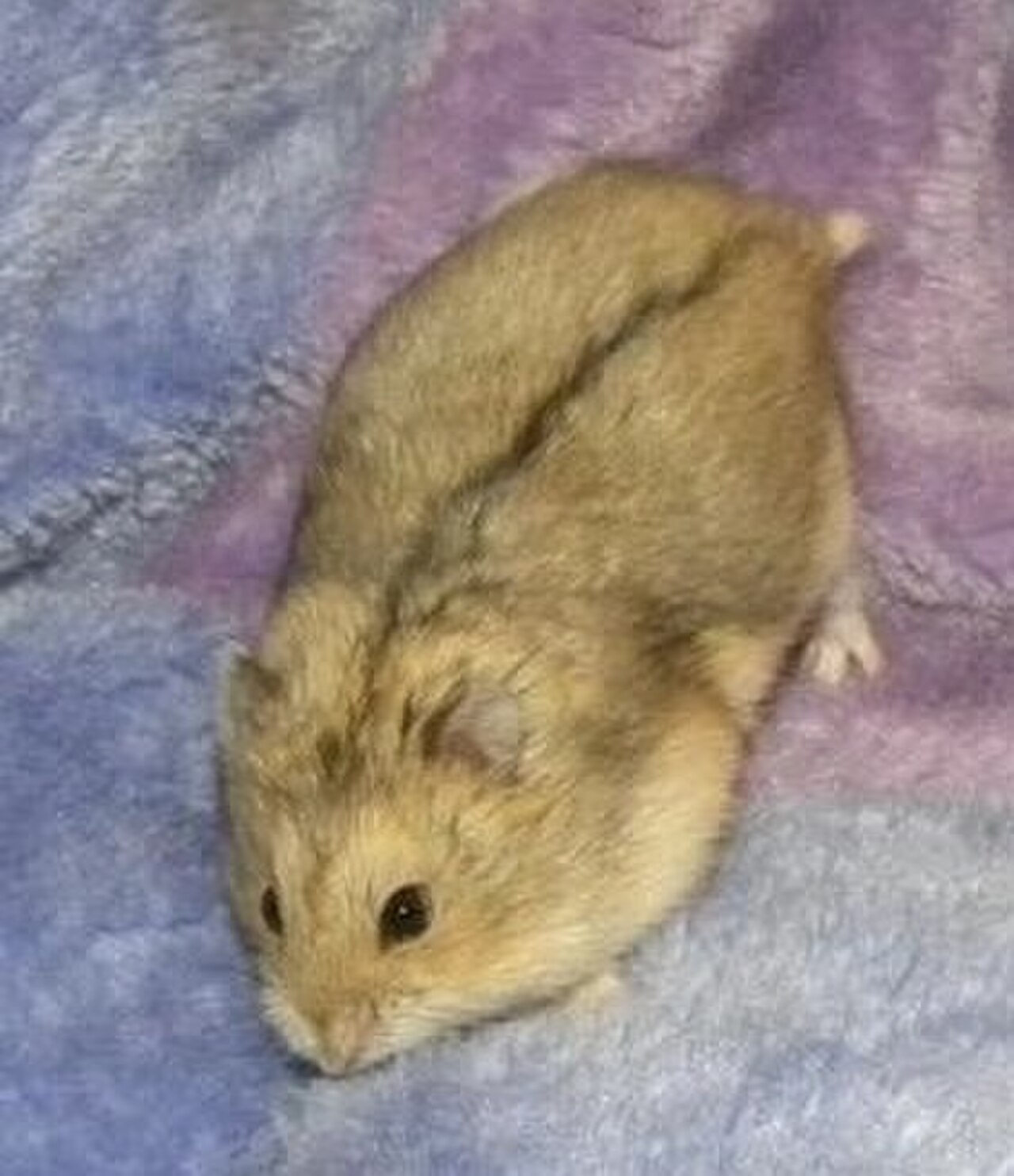
Licensed referenceBettyBen / CC0 · cc0
—observations
—countries
—peak records
Least ConcernConservation statusIUCN Red List categoriesLCNTVUENCREWEXLeast ConcernRed List categories, explained →
Diet & prey
- Seeds
- Grains
- Insects
Predators
- Kestrels
- Owls
- Steppe Polecats
ThreatsHabitat loss, climate extremes, predation
HabitatsArid steppes, semi-deserts, sand dunes, grasslands
Life span1.5–2.5 years
Classification
- OrderRodentia
- FamilyCricetidae
- GenusPhodopus
- SpeciesPhodopus campbelli
Native
Interaction riskLow
- Low
- Moderate
- High
- Very high
- Why interaction risk is low
- May bite defensively if startled or handled roughly; approach calmly and support the body gently.
Responsible observation
- Observation: Watch for active foraging and burrowing behavior during nocturnal hours.
- Handling: Scoop gently from below with both hands rather than grabbing from above.
- Enclosure Setup: Provide deep substrate to allow natural burrowing and nesting routines.
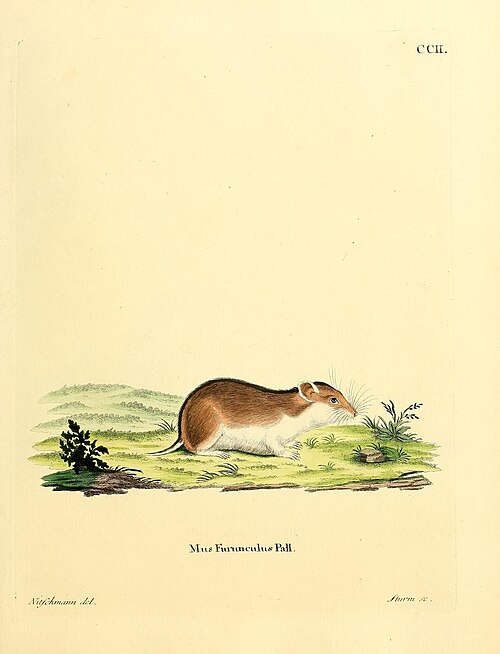
Co-occurring Species Goldfuss, Georg August; Schreber, Johann Christian Daniel; Wagner, Andreas Johann / Public domain · cc0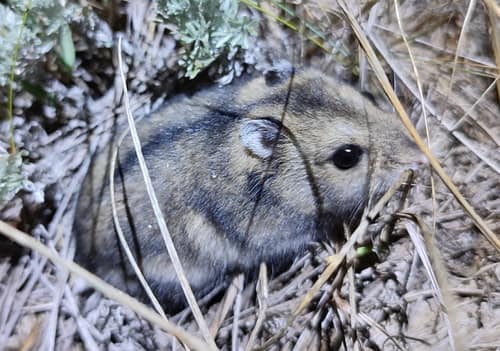
Close Relative (c) Svyatoslav Knyazev, some rights reserved (CC BY), uploaded by Svyatoslav Knyazev · cc-by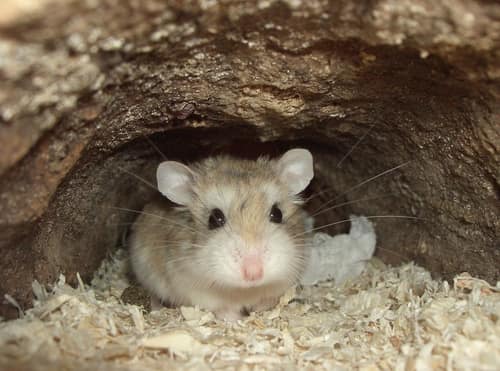
Close Relative Bullet / CC BY-SA 3.0 · cc-by-sa
Help improve the field guideSomething wrong?
Checking your Fauna account…Report a name, category, or profile issue for review.