
Mammal
Desert Hamster
Phodopus roborovskiiAlso known as Roborovski Hamster, Roborovski Dwarf Hamster, Robo Dwarf Hamster
Scurrying over wind-sculpted sand dunes under starlit skies, these miniature rodents sprint several kilometers each night in search of scattered seeds and insects. They excavate deep, multi-chambered burrows with steep plunging tunnels that shield them from scorching daytime heat and freezing winter winds. Dense internal cheek pouches enable them to carry vast quantities of dry seeds back to subterranean pantries, ensuring survival through prolonged desert droughts.
NocturnalBurrowerDesert-Dwelling
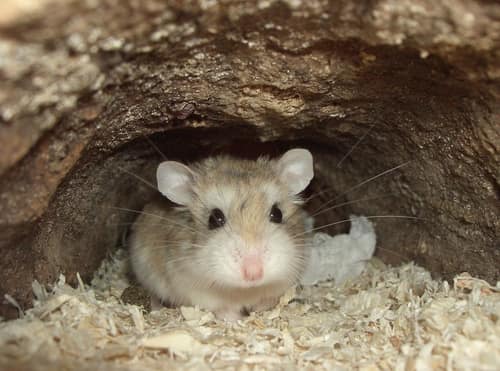

—observations
—countries
—peak records
Least ConcernConservation statusIUCN Red List categoriesLCNTVUENCREWEXLeast ConcernRed List categories, explained →
Diet & preyPlant seeds, Darkling beetles, Herbaceous shoots
Predators
- Eurasian Eagle-Owl
- Red Fox
- Steppe Polecat
ThreatsHabitat degradation through overgrazing, infrastructure development, and prolonged regional droughts
HabitatsShifting sand dunes, sandy semi-deserts, and arid shrubby steppe
Life span2–4 years
Classification
- OrderRodentia
- FamilyCricetidae
- GenusPhodopus
- SpeciesPhodopus roborovskii
Range data is not available yet.
Interaction riskLow
- Low
- Moderate
- High
- Very high
- Why interaction risk is low
- Safe to observe from a normal distance without handling.
Responsible observation
- Night Spotting: Use a soft red light when observing dunes at night to prevent startling active foragers.
- Burrow Awareness: Tread lightly along loose sandy ridges to avoid collapsing fragile burrow entrances.
 Image unavailable
Competitor 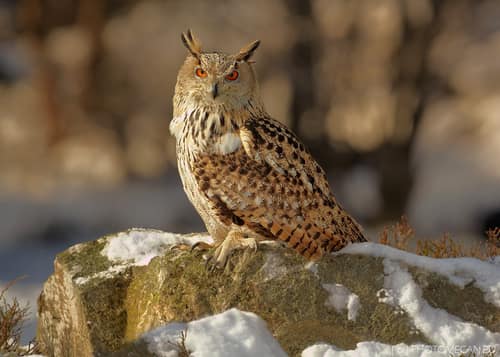
Predator Martin Mecnarowski (http://www.photomecan.eu/) / CC BY-SA 3.0 · cc-by-sa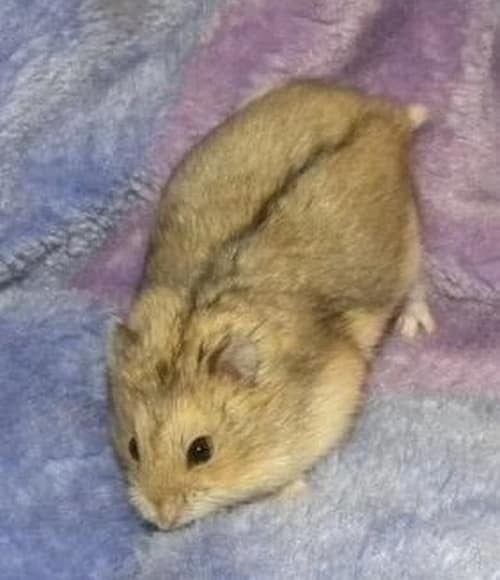
Close Relative BettyBen / CC0 · cc0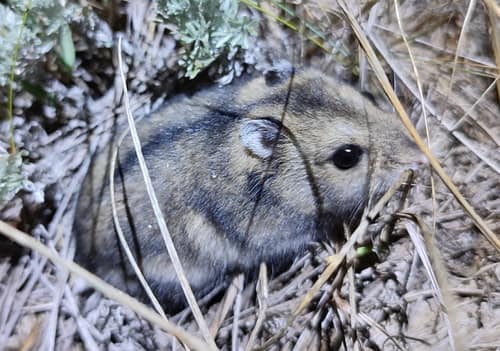
Close Relative (c) Svyatoslav Knyazev, some rights reserved (CC BY), uploaded by Svyatoslav Knyazev · cc-by
Help improve the field guideSomething wrong?
Checking your Fauna account…Report a name, category, or profile issue for review.