
Mammal
Striped Field Mouse
Apodemus agrariusAlso known as Black-striped Field Mouse, Chinese Field Mouse
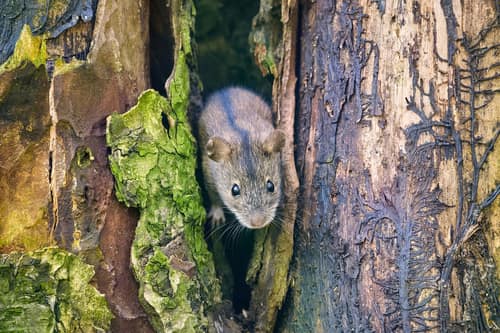
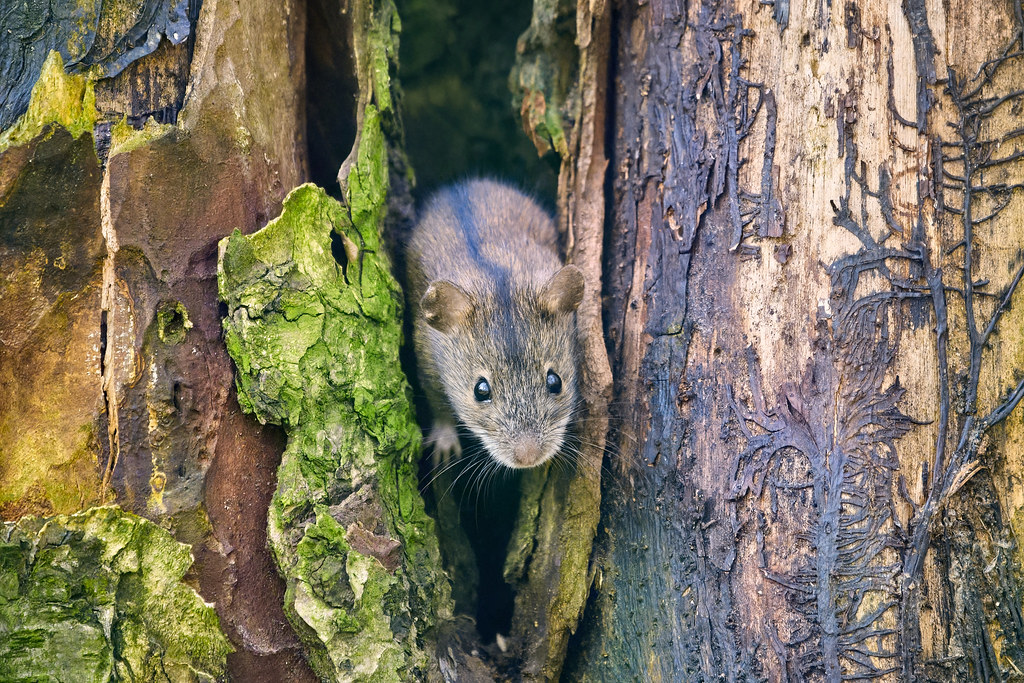
Striped field mice are agile rodents instantly recognizable by the thin, prominent black stripe running along the center of their reddish-brown back. Unlike many strictly nocturnal mice, they are active during both day and night, foraging along forest margins, crop fields, and damp meadows. They build subterranean burrows with multiple chambers for nesting and storing food reserves to survive cold winters.
RodentTerrestrialOmnivorous
—observations
—countries
—peak records
Least ConcernConservation statusIUCN Red List categoriesLCNTVUENCREWEXLeast ConcernRed List categories, explained →
Diet & preySeeds, Cereal grains, Insects
Predators
- Owls
- Foxes
- Weasels
ThreatsAgricultural intensification, excessive pesticide use, and loss of hedgerows
HabitatsFields, edge forests, meadows, river valleys, agricultural land, and gardens
Life span1–2 years in the wild
Classification
- OrderRodentia
- FamilyMuridae
- GenusApodemus
- SpeciesApodemus agrarius
Native
Interaction riskModerate
- Low
- Moderate
- High
- Very high
- Why interaction risk is moderate
- Can transmit viruses like Hantaan virus and leptospirosis; do not handle wild individuals.
- Why it is dangerous
- Acts as a primary reservoir host for Hantaan virus and Dobrava-Belgrade virus, which cause severe hemorrhagic fever with renal syndrome in humans.
- How to recognize a risky encounter
- Recognizable by the distinct narrow black stripe running continuously along its reddish-brown spine from head to tail.
- What to do
- Maintain distance and never handle live or dead rodents, droppings, or contaminated nesting material without biosecurity precautions.
Responsible observation
- Spotting: Look along field borders and tall grass edges during dawn and dusk.
- Precautions: Avoid touching wild rodents or cleaning out rodent nests without protective gear.
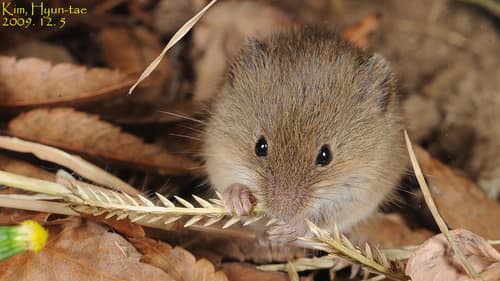
Competitor (c) Kim, Hyun-tae, some rights reserved (CC BY), uploaded by Kim, Hyun-tae · cc-by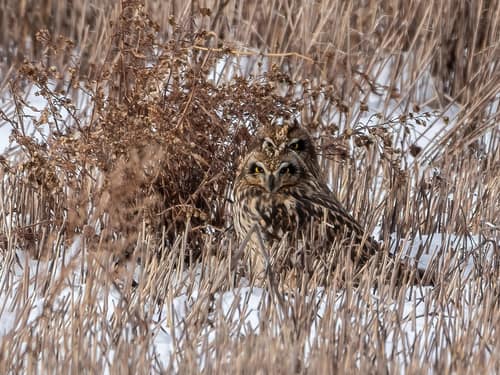
Predator (c) Derek Spencer, some rights reserved (CC BY) · cc-by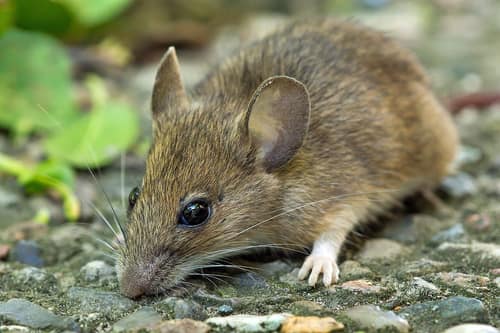
Close Relative Christian Fischer / CC BY-SA 4.0 · cc-by-sa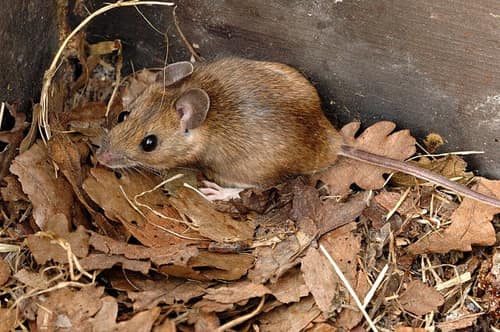
Close Relative James Lindsey / CC BY-SA 3.0 · cc-by-sa
Keep collecting in Fauna
Found in Collections
Ecosystem chain Pro
Mystic Meadows
Striped Field Mouse is found in this collection. Identify it in Fauna to fill this slot and continue your progress.
Unlock to track progress
Help improve the field guideSomething wrong?
Checking your Fauna account…Report a name, category, or profile issue for review.