
Mammal
Desmarest's Hutia
Capromys piloridesAlso known as Cuban Hutia
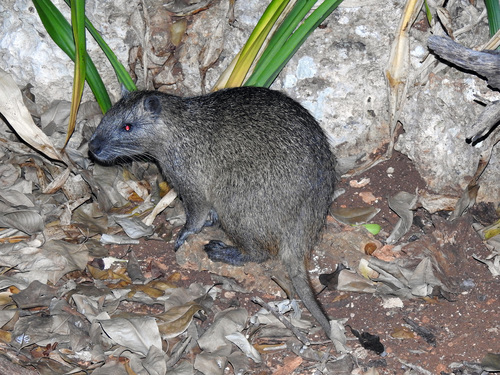
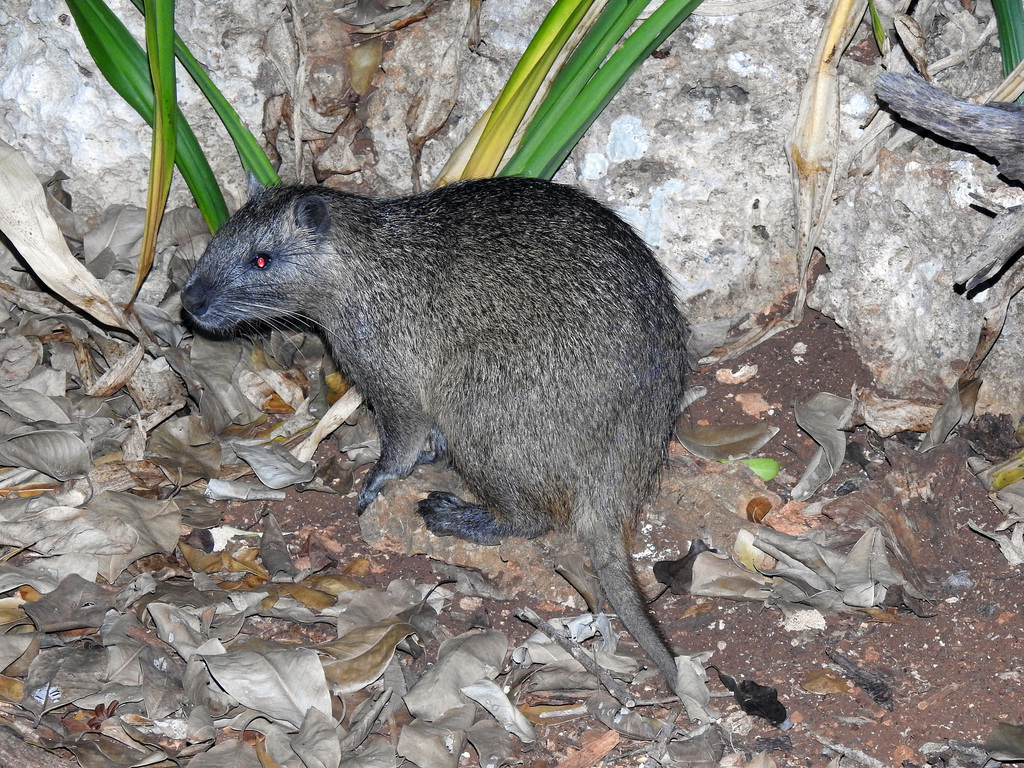
Desmarest's hutia is an agile arboreal rodent that navigates the Cuban canopy with thick, curved claws and a surprisingly nimble gait. Breeding pairs scent-mark elevated territory with urine and communicate through high-pitched chitters and bird-like whistles. As the largest surviving native land mammal in Cuba, it plays a vital ecological role by pruning forest canopies and dispersing tree seeds across rocky karst landscapes.
ArborealEndemicHerbivorous
—observations
—countries
—peak records
Least ConcernConservation statusIUCN Red List categoriesLCNTVUENCREWEXLeast ConcernRed List categories, explained →
Diet & preyRed mangrove leaves, Wild fig fruits, Tree bark
Predators
- Cuban boa
- Cuban black hawk
- Feral dog
ThreatsHabitat loss from agriculture, localized subsistence hunting, and predation by invasive mammals
HabitatsCloud forests, lowland semi-deciduous forests, coastal mangrove swamps, and limestone karst
Life span8–11 years in the wild
Classification
- FamilyCapromyidae
- SpeciesCapromys pilorides
Range data is not available yet.
Interaction riskLow
- Low
- Moderate
- High
- Very high
- Why interaction risk is low
- Equipped with powerful gnawing incisors and strong claws; observe quietly from several paces away.
- Why it is dangerous
- Possesses massive, chisel-like incisors and sharp foreclaws capable of delivering deep, painful puncture wounds if cornered.
- How to recognize a risky encounter
- Stocky, heavy-set body with shaggy grey-brown fur, a blunt square snout, small rounded ears, and a thick tail.
- What to do
- Maintain a distance of at least two to three meters; never reach into rock dens or attempt to pet resting animals.
Responsible observation
- Observation Timing: Look for them basking on horizontal tree limbs during early mornings and late afternoons.
- Canopy Scanning: Watch for trembling branches or falling leaf debris in mangroves and semi-deciduous woodlands.
- Respecting Space: Avoid cornering an individual near rock crevices or low tree forks where it may feel trapped.
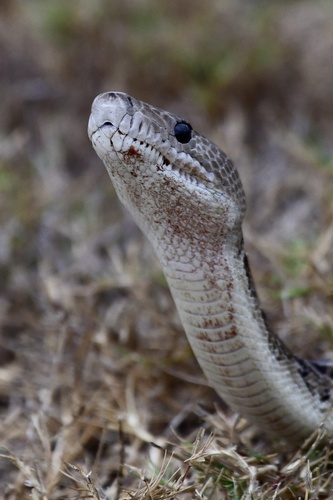
Predator (c) Robin White, some rights reserved (CC BY) · cc-by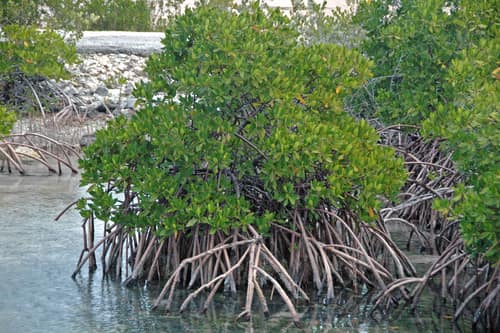
Host Plant (c) James St. John, some rights reserved (CC BY) · cc-by Image unavailable
Close Relative 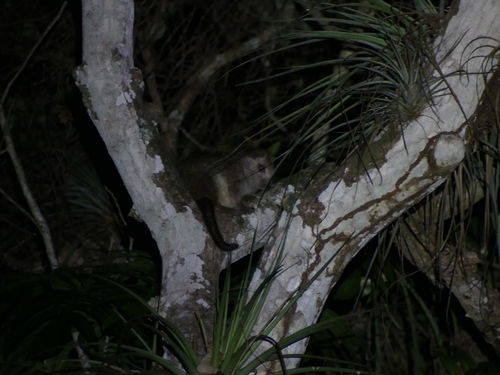
Family Member (c) Valentin Moser, some rights reserved (CC BY), uploaded by Valentin Moser · cc-by
Help improve the field guideSomething wrong?
Checking your Fauna account…Report a name, category, or profile issue for review.