
Mammal · GBIF taxon 2437577
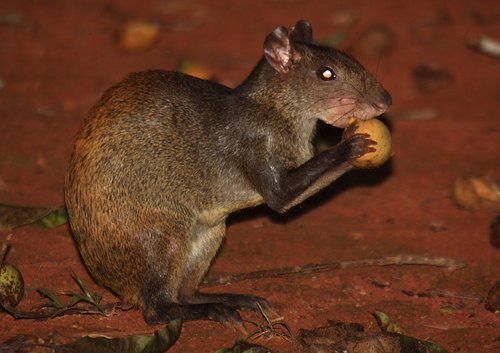
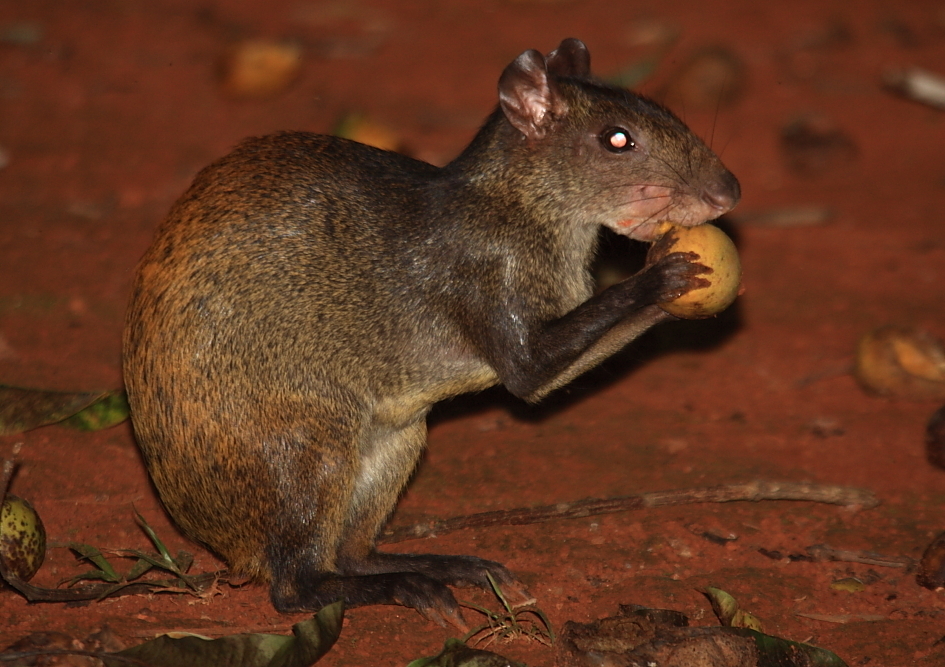
Red-rumped Agouti
Dasyprocta leporinaAlso known as Golden-rumped Agouti, Orange-rumped Agouti, Brazilian Agouti
Red-rumped agoutis forage across the Neotropical forest floor, relying on acute hearing and swift bounding leaps to evade predators. As vital ecosystem engineers, they use powerful chisel-like teeth to gnaw through rock-hard seed pods, burying surplus nuts across wide territories and unintentionally regenerating tropical canopy trees. Monogamous pairs defend stable territories year-round, communicating through soft grunts and thumping their hind feet to warn companions of approaching danger.
DiurnalFrugivoreRainforest
 1 / 7
1 / 7—observations
—countries
—peak records
Least ConcernConservation statusIUCN Red List categoriesLCNTVUENCREWEXLeast ConcernRed List categories, explained →
Diet & prey
- Brazil Nuts
- Palm Fruits
- Fallen Figs
Predators
- Jaguar
- Ocelot
- Boa Constrictor
ThreatsHabitat fragmentation, deforestation, and hunting for bushmeat
HabitatsLowland rainforests, gallery forests, secondary scrub, and plantation borders
Life span8–12 years in the wild (up to 18 years in captivity)
Size / weightNot available
Classification
- OrderRodentia
- FamilyDasyproctidae
- GenusDasyprocta
- SpeciesDasyprocta leporina
Range data is not available yet.
Interaction riskLow
- Low
- Moderate
- High
- Very high
- Why interaction risk is low
- Equipped with powerful incisors capable of severe bites if trapped; observe quietly from a distance.
Responsible observation
- Spotting Movement: Watch low along shaded trail edges early in the morning when individuals actively forage.
- Listen for Cracking: Follow the sharp gnawing sound of rodent teeth grinding through tough palm nuts on the forest floor.
- Keep Quiet: Move softly, as these skittish rodents bolt instantly at loud snaps or sudden silhouettes.
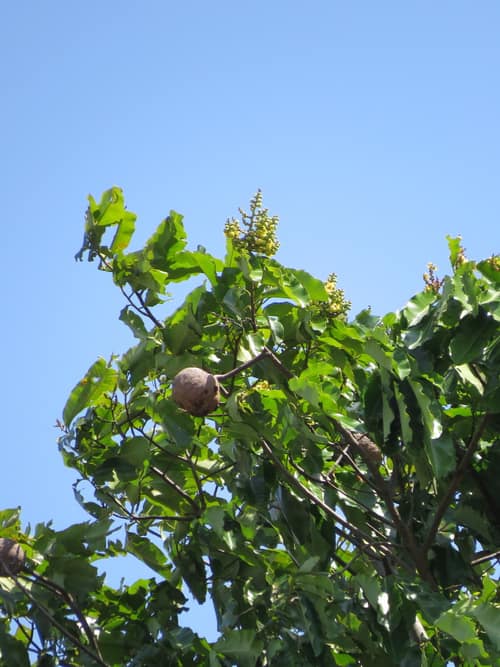
Mutualist (c) Leonardo Bergamini, some rights reserved (CC BY), uploaded by Leonardo Bergamini · cc-by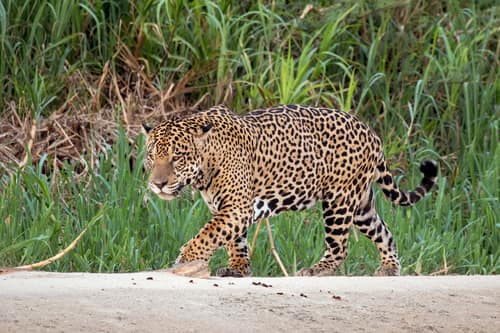
Predator (c) Charles J. Sharp , some rights reserved (CC BY-SA) · cc-by-sa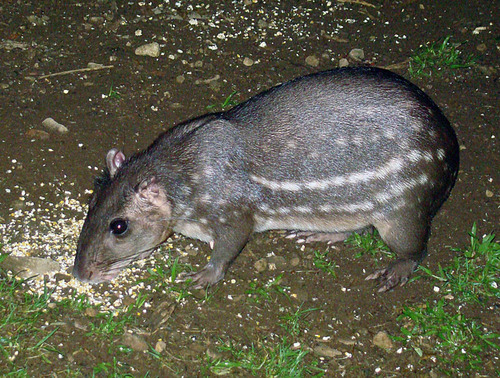
Competitor (c) Dick Culbert, some rights reserved (CC BY) · cc-by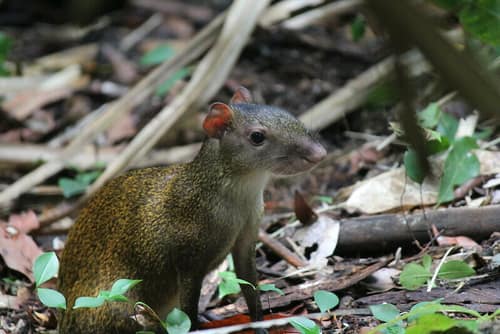
Close Relative (c) Benny Albro, some rights reserved (CC BY), uploaded by Benny Albro · cc-by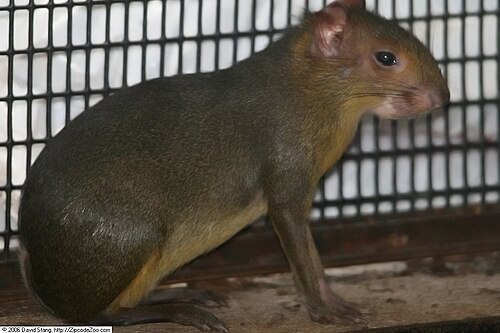
Same Family Photo by David J. Stang / CC BY-SA 4.0 · cc-by-sa
Help improve the field guideSomething wrong?
Checking your Fauna account…Report a name, category, or profile issue for review.