
Mammal
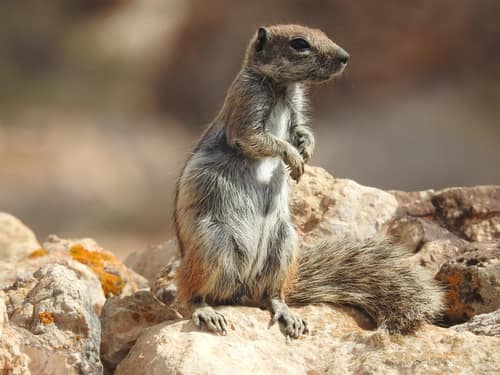
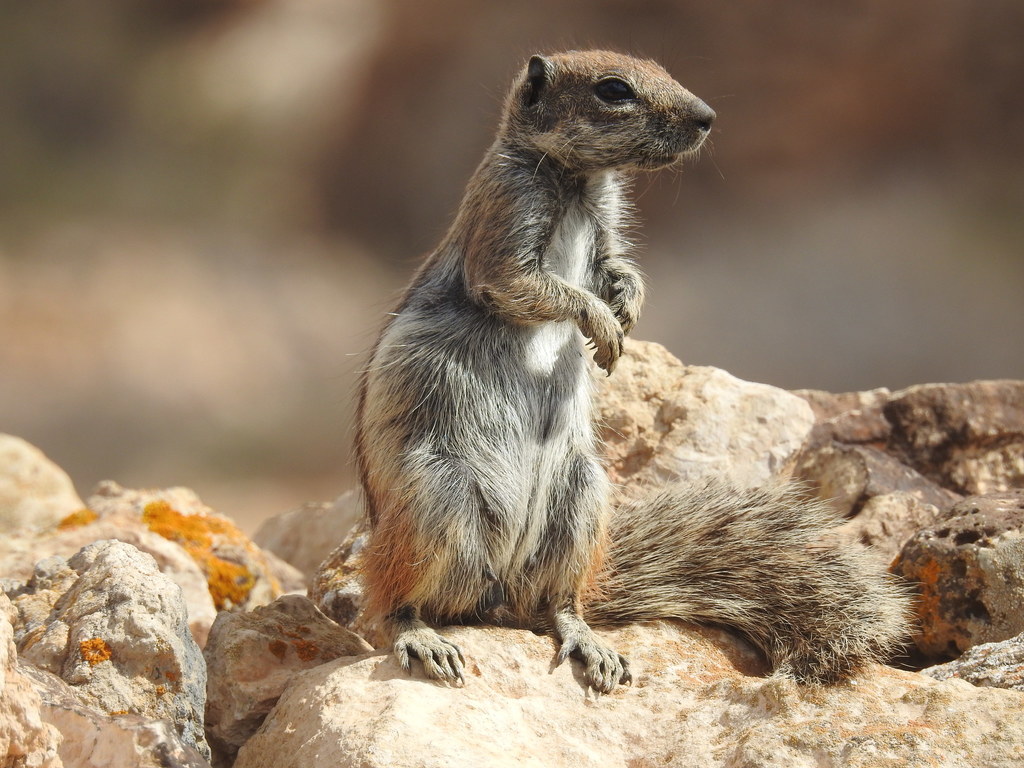
Maghreb Ground Squirrel
Atlantoxerus getulusAlso known as Barbary Ground Squirrel, Moroccan Ground Squirrel
Barbary ground squirrels thrive in arid, rocky landscapes across Northwest Africa and Fuerteventura. These agile rodents scurry along stone walls and talus slopes, living in cooperative colonies that keep constant vigil for airborne predators. Their bold dorsal stripes and bushy, banded tails make them distinctive features of dry mountain trails and desert outcroppings.
DiurnalColonialDesert Dweller
—observations
—countries
—peak records
Least ConcernConservation statusIUCN Red List categoriesLCNTVUENCREWEXLeast ConcernRed List categories, explained →
Diet & preyArgan Seeds, Acorns, Grass Seeds
Predators
- Lanner Falcon
- Feral Cat
- Atlas Dwarf Viper
ThreatsHabitat alteration, localized eradication efforts where introduced, predation by feral pets
HabitatsSubtropical dry shrubland, rocky slopes, temperate grassland, stone walls
Life span3–6 years in the wild
Classification
- FamilySciuridae
- SpeciesAtlantoxerus getulus
Range data is not available yet.
Interaction riskLow
- Low
- Moderate
- High
- Very high
- Why interaction risk is low
- May bite or scratch if cornered or handled; maintain a respectful distance.
- Why it is dangerous
- Equipped with sharp incisors and claws capable of inflicting painful wounds if handled or cornered.
- How to recognize a risky encounter
- Look for a small brownish rodent with two striking white lateral stripes along its flanks and a bushy tail.
- What to do
- Enjoy watching their active behavior from several steps away, and never attempt to corner or pick one up.
Responsible observation
- Observe from afar: Watch colonies foraging near stone walls without making sudden movements.
- Avoid feeding: Hand-feeding habituates squirrels to humans and risks accidental bites.
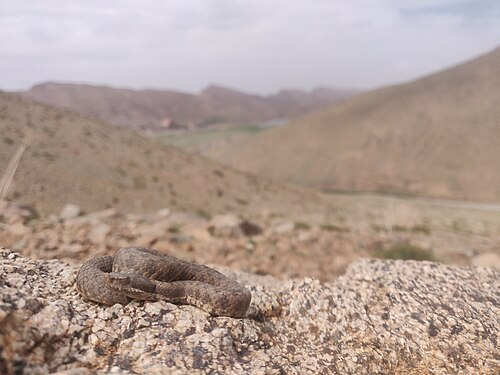
Predator Teddy Gilbert / CC BY 4.0 · cc-by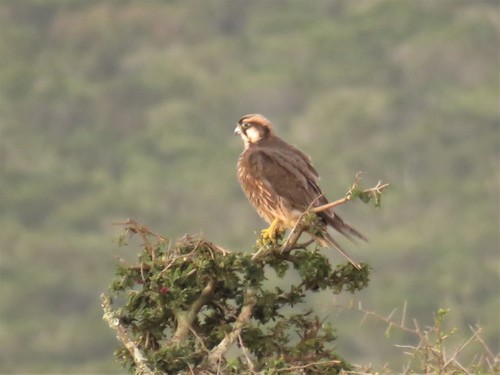
Predator (c) Christiaan Viljoen, some rights reserved (CC BY), uploaded by Christiaan Viljoen · cc-by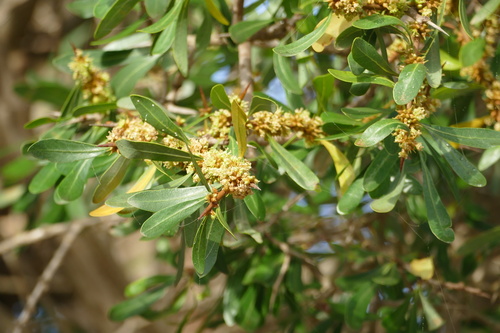
Food Source no rights reserved · cc0
Help improve the field guideSomething wrong?
Checking your Fauna account…Report a name, category, or profile issue for review.