
Mammal · GBIF taxon 2437375
Bobak Marmot
Marmota bobakAlso known as Steppe Marmot
Bobak marmots are heavy-bodied ground squirrels that form extensive colonies across the rolling steppe grasslands of Eastern Europe and Central Asia. They construct complex subterranean burrows complete with nursery chambers, sleeping quarters, and emergency escape tunnels. To survive the harsh continental winters, these social rodents hibernate in underground groups for more than half the year before emerging in spring to forage and raise their young.
SocialBurrowingHibernating
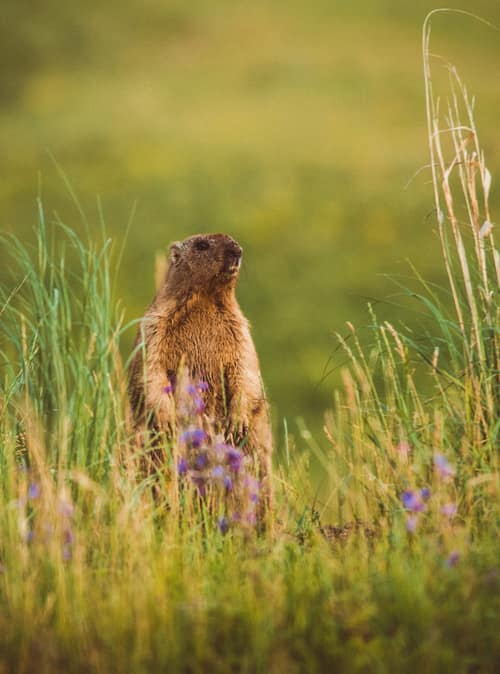
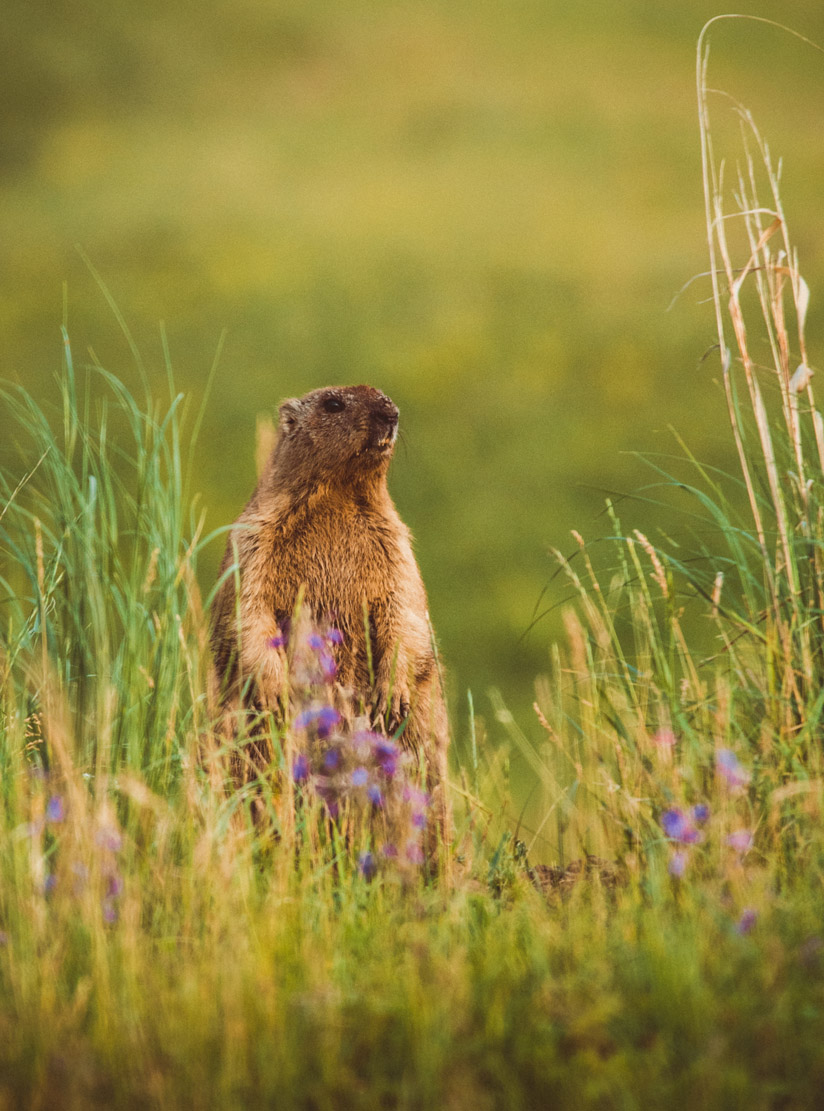
—observations
—countries
—peak records
Least ConcernConservation statusIUCN Red List categoriesLCNTVUENCREWEXLeast ConcernRed List categories, explained →
Diet & prey
- Wild Grasses
- Herbaceous Shoots
- Plant Bulbs
Predators
- Steppe Eagle
- Grey Wolf
- Red Fox
ThreatsAgricultural expansion, historic overhunting, climate extremes
HabitatsSteppe grasslands, pastures, cultivated field borders
Life span10–15 years
Size / weightNot available
Classification
- FamilySciuridae
- SpeciesMarmota bobak
Range data is not available yet.
Interaction riskLow
- Low
- Moderate
- High
- Very high
- Why interaction risk is low
- Can inflict a painful bite if cornered; keep a respectful distance.
Responsible observation
- Keep Your Distance: Remain at least 30 meters away to avoid alarming the colony and sending marmots into their burrows.
- Listen for Sentinels: Look for elevated burrow mounds where posted sentries give sharp whistle calls at the first sign of danger.
- Time Your Visit: Scan open grasslands during the spring and early summer when marmots are actively feeding above ground.
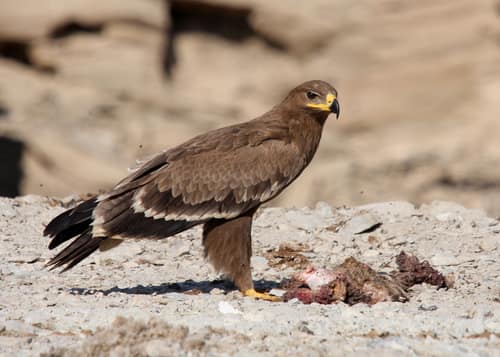
Predator (c) Christoph Moning, some rights reserved (CC BY), uploaded by Christoph Moning · cc-by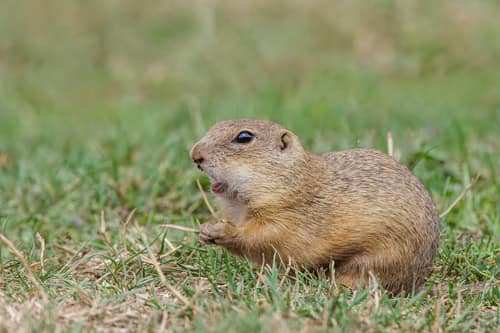
Co-occurring Rodent Charles J. Sharp / CC BY-SA 4.0 · cc-by-sa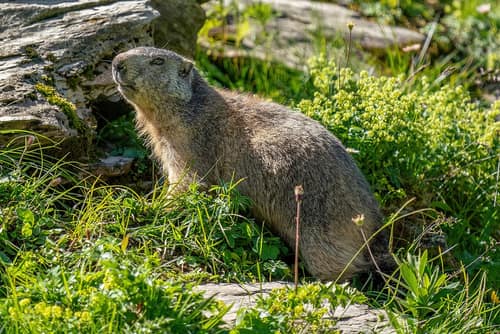
Close Relative Photography captured by Giles Laurent / CC BY-SA 4.0 · cc-by-sa
Help improve the field guideSomething wrong?
Checking your Fauna account…Report a name, category, or profile issue for review.