
Mammal
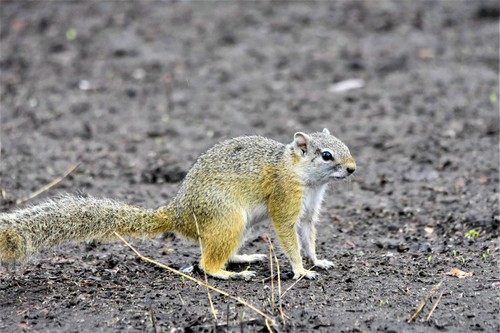
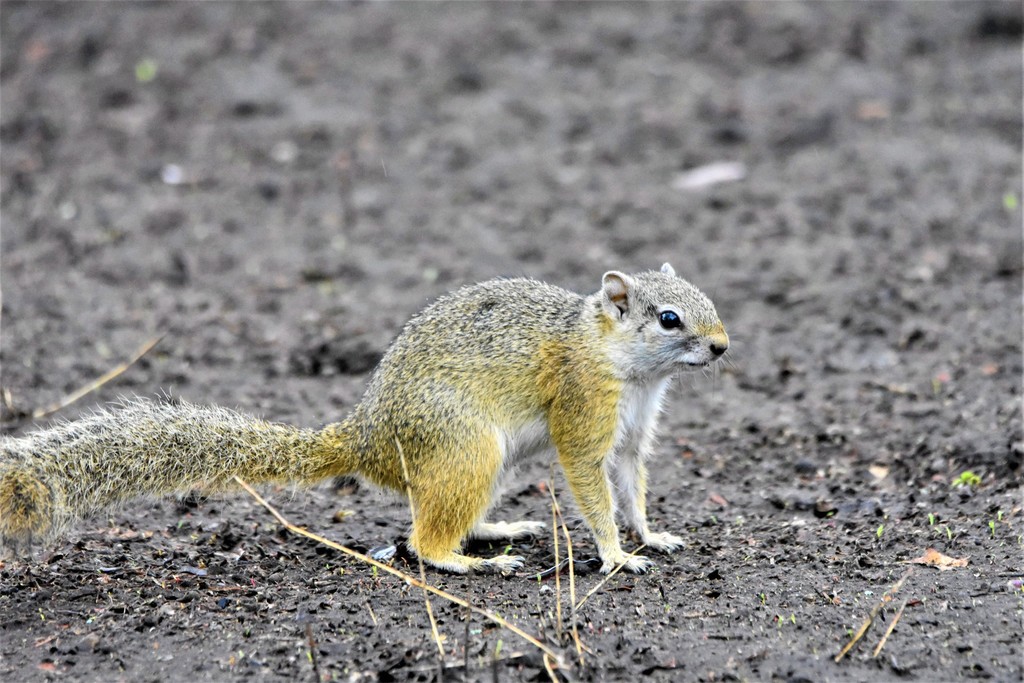
Smith's Bush Squirrel
Paraxerus cepapiAlso known as Yellow-footed Squirrel, Tree Squirrel, South African Bush Squirrel
Smith's bush squirrels thrive in close-knit family groups centered around a dominant breeding pair, using mutual scent marking and allogrooming to maintain strong social bonds. They forage vigorously across tree branches and the forest floor, using rapid tail flicks to communicate status and intent to nearby group members. When threatened by raptors or snakes, sentinels unleash piercing, bird-like alarm whistles that prompt the clan to mob the intruder or vanish into hollow tree trunks.
DiurnalArborealVocal
—observations
—countries
—peak records
Least ConcernConservation statusIUCN Red List categoriesLCNTVUENCREWEXLeast ConcernRed List categories, explained →
Diet & preyMopane seeds, Acacia flowers, Termites
Predators
- Boomslang
- African Goshawk
- Common Genet
ThreatsWoodland degradation, charcoal harvesting, and habitat clearing
HabitatsSavanna woodlands, mopane groves, and riverine thickets
Life span5–8 years
Classification
- FamilySciuridae
- SpeciesParaxerus cepapi
Range data is not available yet.
Interaction riskLow
- Low
- Moderate
- High
- Very high
- Why interaction risk is low
- May bite defensively if cornered or handled; safe to observe from a normal distance.
Responsible observation
- Listen for Calls: Track their rapid clicking and metallic alarm whistles to spot active canopy groups.
- Quiet Observation: Stand motionless near trunk bases to watch natural foraging and mutual grooming.
- Keep Food Stowed: Avoid feeding near safari campsites to prevent habituation and camp raiding.
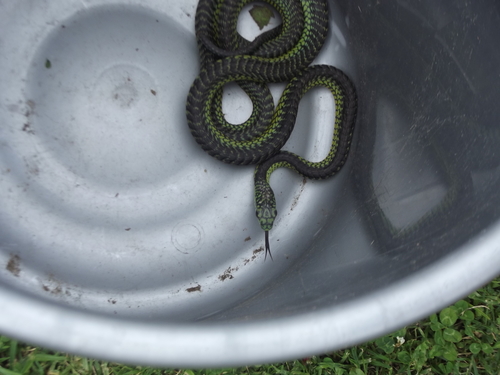
Predator no rights reserved · cc0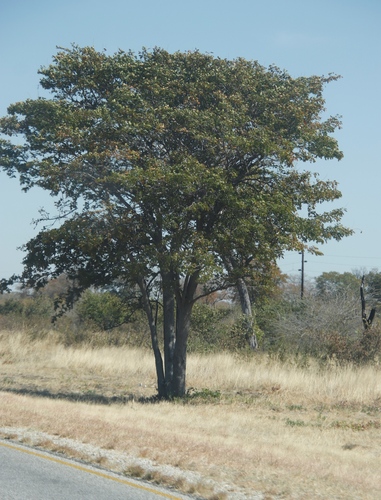
Habitat Partner (c) Tony Rebelo, some rights reserved (CC BY-SA) · cc-by-sa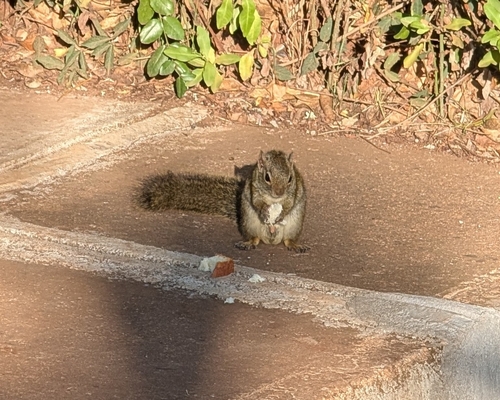
Close Relative (c) Jono, some rights reserved (CC BY) · cc-by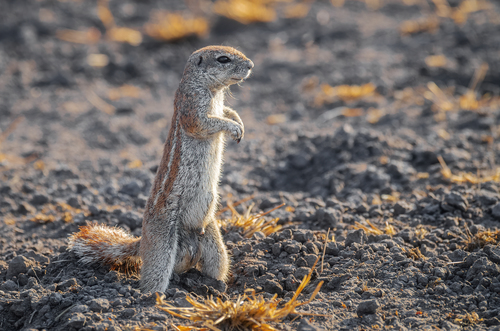
Same Family (c) Morten Ross, some rights reserved (CC BY), uploaded by Morten Ross · cc-by
Help improve the field guideSomething wrong?
Checking your Fauna account…Report a name, category, or profile issue for review.