
Mammal
Siberian Flying Squirrel
Pteromys volansAlso known as Russian Flying Squirrel, Eurasian Flying Squirrel
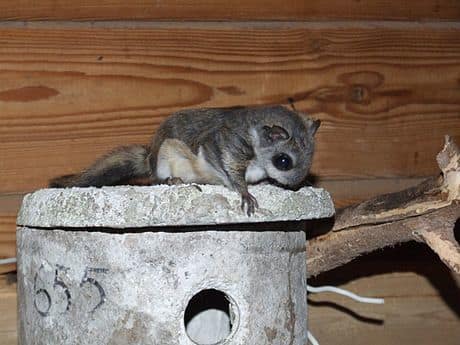
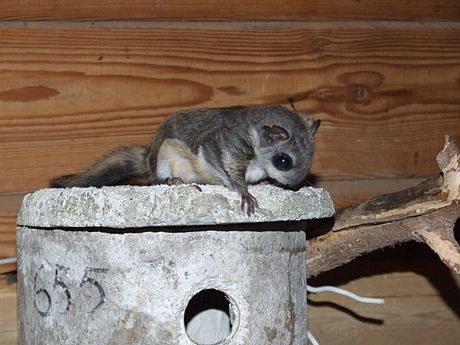
Siberian flying squirrels spend their lives high in the canopy of old-growth boreal forests, gliding effortlessly between trees using a fur-covered membrane extending between their wrists and ankles. These strictly nocturnal rodents nest in hollow tree cavities carved out by woodpeckers or construct small spherical nests of lichen and moss. Large, dark eyes provide exceptional night vision for navigating dense mixed taiga forests in search of tree catkins, buds, and nuts.
NocturnalArborealGlider
—observations
—countries
—peak records
Least ConcernConservation statusIUCN Red List categoriesLCNTVUENCREWEXLeast ConcernRed List categories, explained →
Diet & preyBirch Catkins, Alder Catkins, Pine Cone Seeds
Predators
- Ural Owl
- Eurasian Eagle-Owl
- Pine Marten
ThreatsDeforestation, habitat fragmentation, loss of old cavity trees
HabitatsBoreal taiga, old-growth mixed coniferous-deciduous forests
Life span3–5 years in the wild
Classification
- FamilySciuridae
- SpeciesPteromys volans
Range data is not available yet.
Interaction riskLow
- Low
- Moderate
- High
- Very high
- Why interaction risk is low
- Safe to observe at a normal distance.
- What to notice
- Recognized by soft silver-gray fur, exceptionally large black eyes, and a furry glide membrane.
- Support conservation
- Maintain a respectful distance from active cavity trees and avoid using bright flash photography.
Responsible observation
- Look for Yellow Droppings: Check the bases of large aspen or birch trees for distinctive bright yellow fecal pellets.
- Observe at Dusk: Position yourself near known nest cavities right around sunset when individuals emerge.
- Avoid Disturbance: Maintain a quiet distance and avoid shining direct bright light onto emerging squirrels.
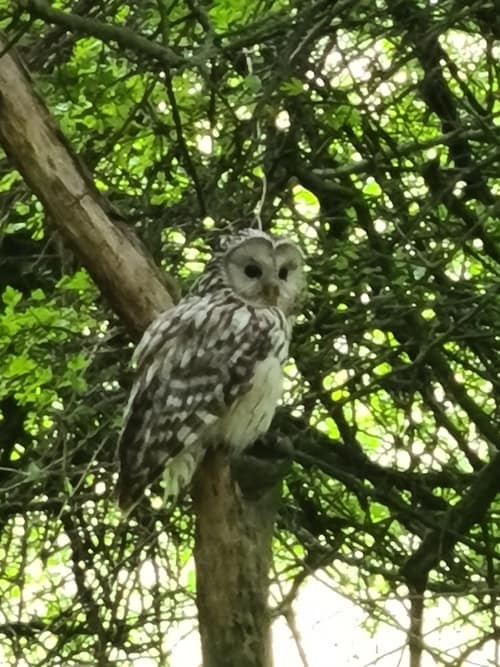
Predator (c) Jacek Pietruszewski, some rights reserved (CC BY) · cc-by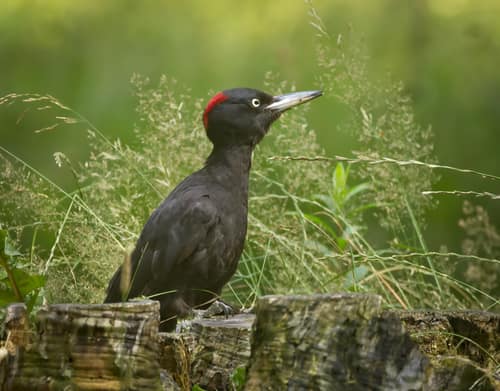
Ecological Partner (c) hedera.baltica, some rights reserved (CC BY-SA) · cc-by-sa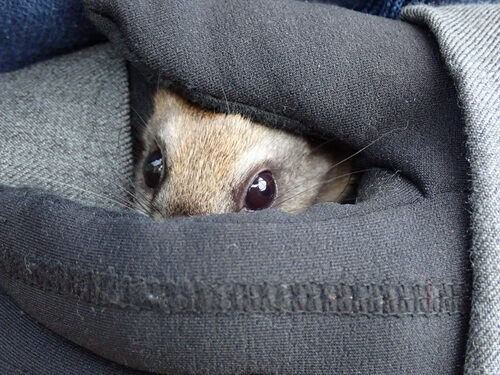
Close Relative (c) Evan M. Raskin, some rights reserved (CC BY) · cc-by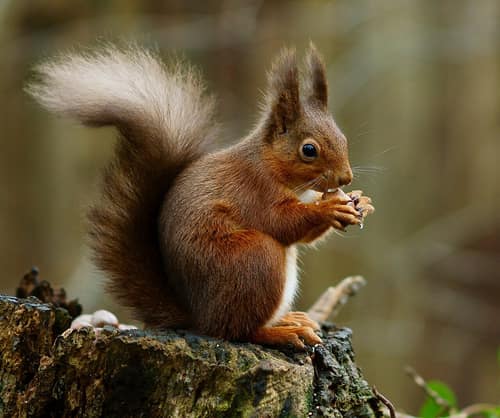
Co-occurring Relative Peter Trimming / CC BY 2.0 · cc-by
Help improve the field guideSomething wrong?
Checking your Fauna account…Report a name, category, or profile issue for review.